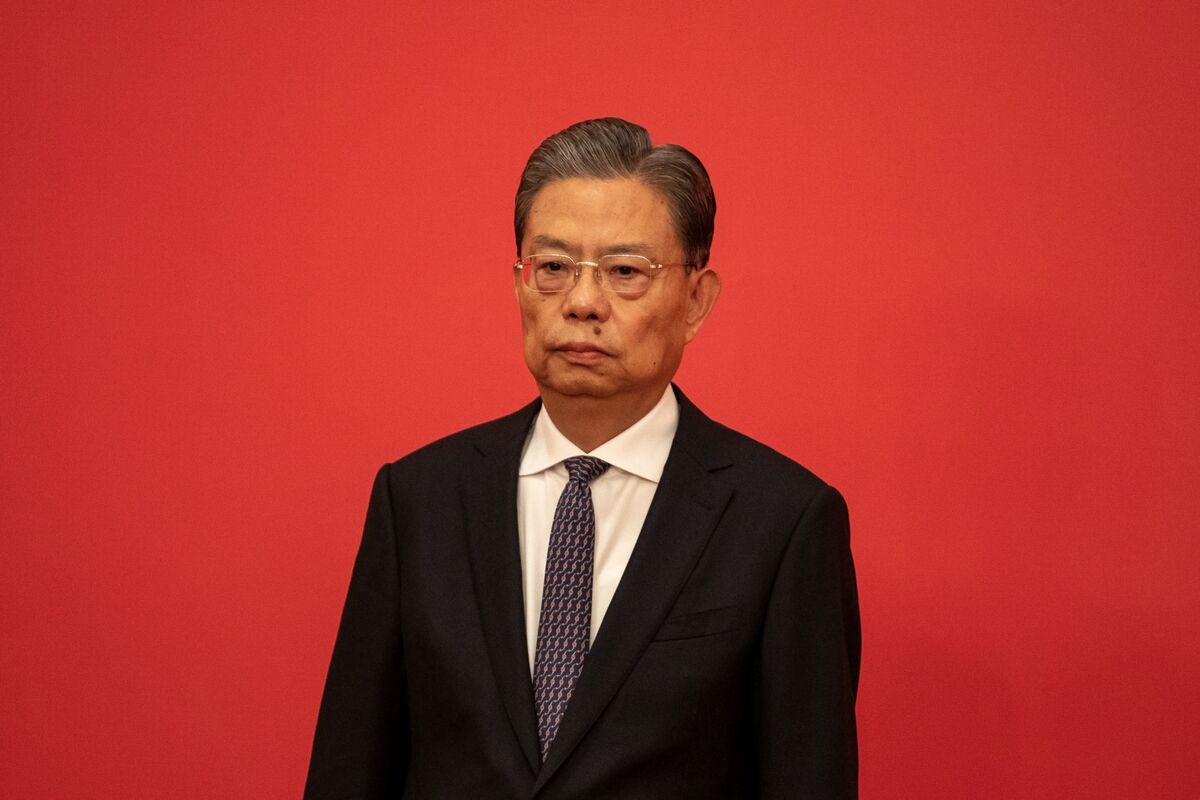
China’s No. 3 leader Zhao Leji urged political settlement of international disputes and respect for sovereignty at the Boao Forum, positioning Beijing as a stabilizing force as the Iran conflict threatens to disrupt the global economy. The comments are diplomatically aimed at lowering geopolitical risk, but are unlikely to move markets materially unless followed by concrete diplomatic or policy actions.
China signaling a preference for political solutions lowers the marginal probability of a broad, sustained supply shock from the Iran theatre; that compresses the geopolitical risk premium embedded in oil term-structure and EM sovereign spreads over the next 1–3 months. Practically, expect front-month Brent/WTI risk premia to back down ~$3–7/bbl if diplomatic channels visibly advance, which would shave 3–5% off headline energy inflation inputs for global manufacturing in the same window.
The stabilizing narrative creates a steepening opportunity across cross-asset flows: capital that had been parked in safe-havens is likely to re-allocate into EM FX and equity carry trades, tightening CDS by 30–80bps for weaker credits and outperforming energy producers that had priced in tail-premia. At the same time, China’s public insistence on non-interference raises the odds it will deepen bilateral trade/payment workarounds (e.g., currency settlement, state trading via national traders), which benefits state-linked logistics, freight forwarders and commodity trading arms over Western intermediaries on a 6–18 month view.
Key tail risks remain asymmetric. An inadvertent escalation or targeted strike that materially damages oil infrastructure would re-inflate risk premia within days and reverse these flows; conversely, a credible mediation leading to de-escalation could remove a structural bid under oil and EM hedges within weeks. Trade timing should therefore distinguish near-term tactical squeezes (days–months) from structural positioning (quarters), and use calendar spreads or options to control delta exposure rather than naked directional bets.
AI-powered research, real-time alerts, and portfolio analytics for institutional investors.
Request DemoOverall Sentiment
neutral
Sentiment Score
0.05
