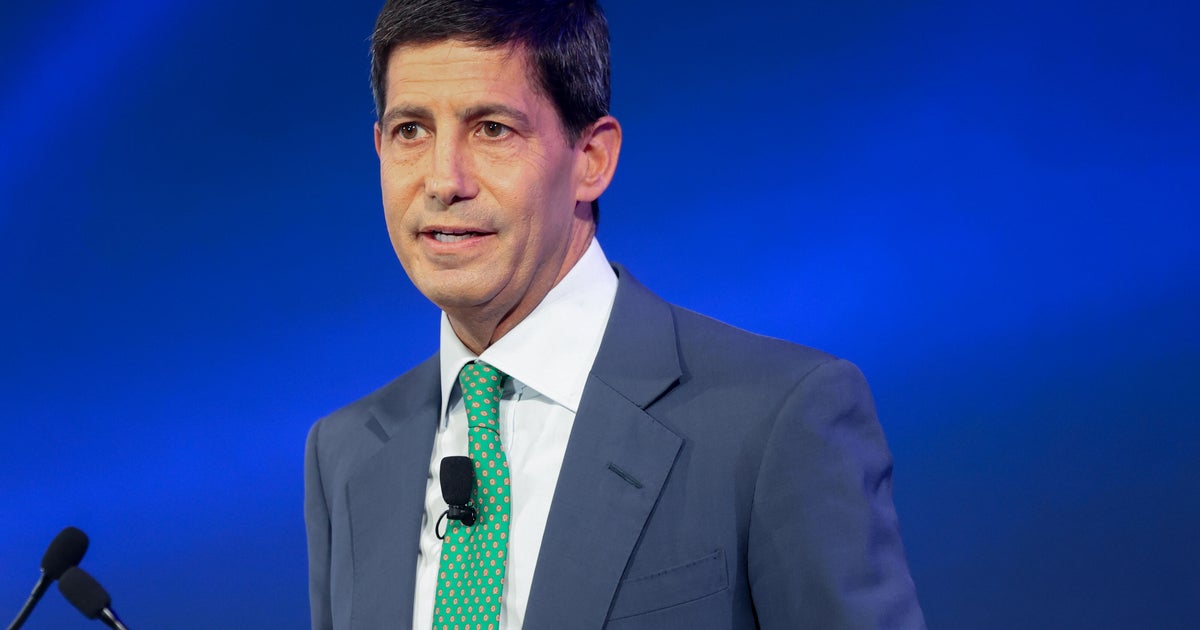
Kevin Warsh is set for a Senate Banking Committee confirmation hearing as President Trump’s nominee to replace Jerome Powell, with lawmakers expected to scrutinize his views on rates, inflation, and the Fed balance sheet. He has recently signaled support for lower rates and described AI as a potential disinflationary force, while also facing questions over a more gradual path to balance-sheet reduction. The hearing matters because a confirmed Fed chair would influence monetary policy expectations, even though interest-rate decisions require a majority vote of the FOMC.
The market is likely underpricing the sequencing risk between a more politically aligned Fed chair and an actually easier policy path. Even if the nominee leans rhetorically toward lower rates, the first-order signal is not immediate easing; it is a higher bar for balance-sheet runoff to remain mechanical, which can keep term premia sticky and prevent the front end from rallying hard. That setup is marginally supportive for banks with asset-sensitive NII, but only if the long end does not sell off enough to choke loan demand. The more interesting second-order effect is on cross-asset volatility. If investors conclude the next chair is likely to tolerate slower QT and eventually validate rate cuts while inflation is still above target, breakevens can stay bid even as nominal yields fall, which is a cleaner regime for gold, utilities, and duration-heavy growth than for broad cyclicals. For Deutsche Bank specifically, the read-through is modestly positive but non-linear: a steeper or more volatile curve can help trading and hedging flows, yet if policy credibility erodes, loan-loss and funding assumptions reprice faster than consensus models capture. Consensus seems to focus on the chair as a one-person policy lever, but the bigger constraint is the committee and the data. That means the near-term tradeable catalyst is not the confirmation vote itself; it is the first FOMC statement and any signal that QT is being slowed further in response to rising inflation and fiscal noise. If that re-anchors the market toward a prolonged higher-for-longer path, the initial "dovish chair" bid in duration could reverse within 2-6 weeks.
AI-powered research, real-time alerts, and portfolio analytics for institutional investors.
Overall Sentiment
neutral
Sentiment Score
-0.05
Ticker Sentiment
