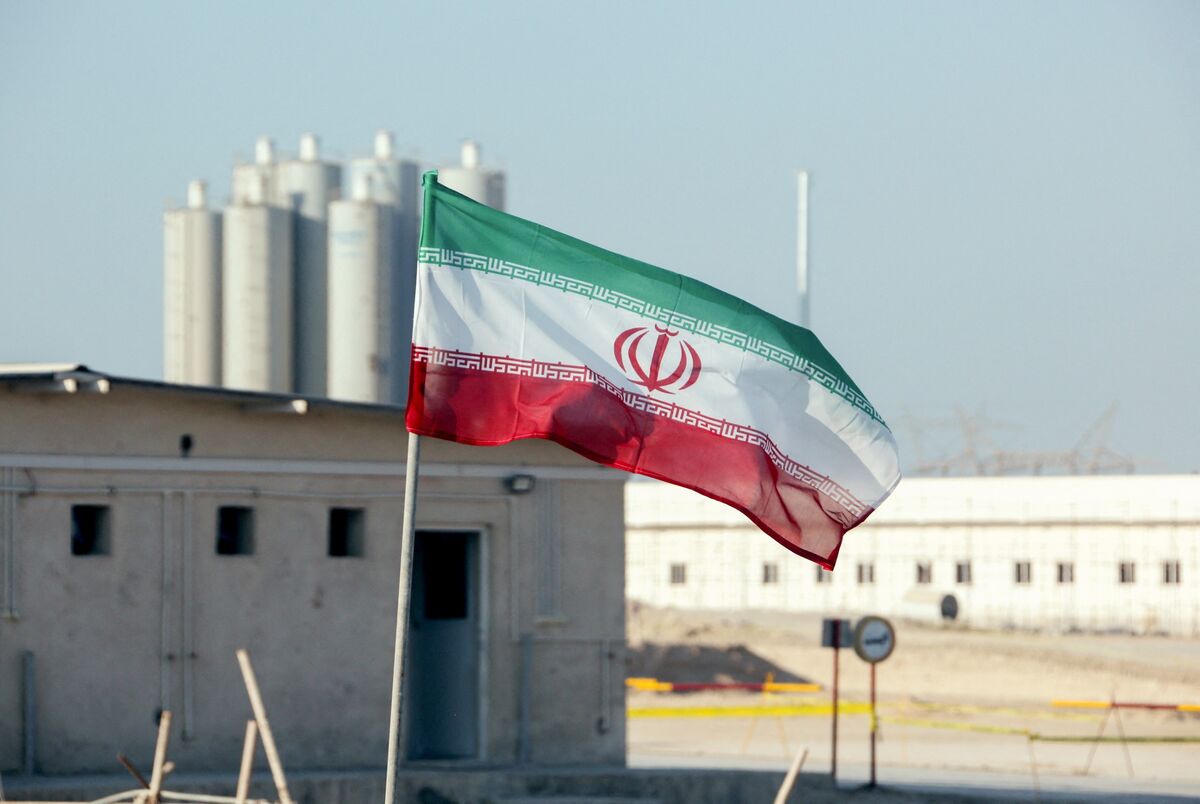
Iran's Foreign Minister Abbas Araghchi announced the country will not permit nuclear site inspections during an upcoming visit by a senior International Atomic Energy Agency (IAEA) official, stating cooperation is contingent on a 'new agreement framework.' This rejection signals a continued impasse in nuclear cooperation negotiations, potentially complicating diplomatic efforts and impacting geopolitical stability ahead of new talks.
Iran has publicly rejected International Atomic Energy Agency (IAEA) nuclear site inspections, conditioning any future cooperation on the establishment of a 'new agreement framework.' This declaration by Foreign Minister Abbas Araghchi ahead of a senior IAEA official's visit to Tehran signals a significant hardening of Iran's negotiating stance and introduces substantial uncertainty into diplomatic efforts. The development is viewed with strongly negative sentiment (score: -0.7), reflecting heightened geopolitical risk. The moderate market impact score of 0.55 suggests that while this is not a black swan event, it is substantial enough to inject a risk premium into sensitive asset classes, particularly those tied to energy and regional stability. The core themes of 'Geopolitics & War' and 'Sanctions & Export Controls' are now at the forefront, as this impasse could derail negotiations and prolong economic restrictions, directly impacting global energy supply chains and investor confidence in Middle Eastern markets.
AI-powered research, real-time alerts, and portfolio analytics for institutional investors.
Request DemoOverall Sentiment
strongly negative
Sentiment Score
-0.70
