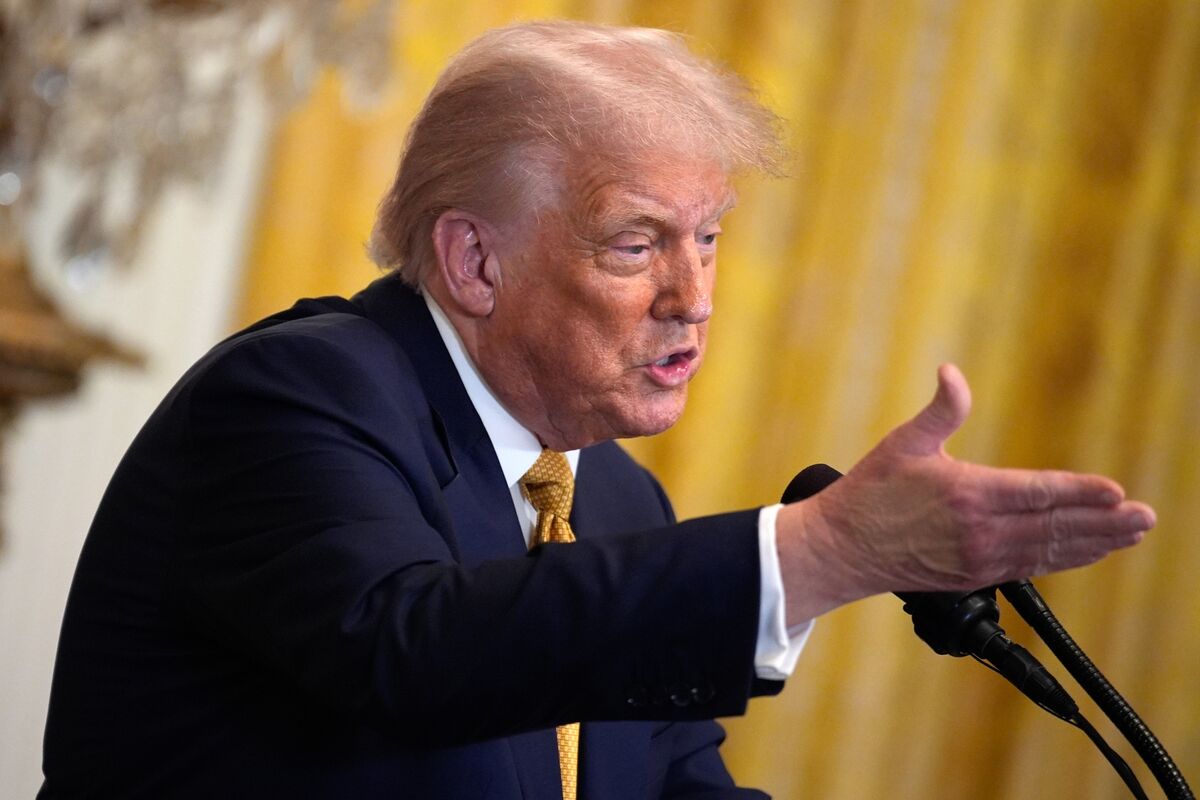
President Trump's recent tariff deal with Japan, setting import tariffs at 15% including for autos, provides crucial clarity for the global manufacturing base. This agreement, addressing the largest component of the trade deficit, helps define the evolving trade landscape after months of uncertainty.
The recently announced trade deal between the United States and Japan introduces a significant degree of clarity into the global trade landscape after a prolonged period of uncertainty. By establishing a 15% tariff on Japanese imports, including the critical automotive sector, the agreement sets a definitive framework for a key bilateral trade relationship. This development is particularly consequential as it directly addresses the largest component of the U.S. trade deficit with Japan. For the global manufacturing base, especially sectors with integrated U.S.-Japan supply chains, this resolution replaces ambiguity with a quantifiable cost, allowing businesses to adjust their financial models, supply chain logistics, and pricing strategies. The mildly positive sentiment signal suggests that the market values this newfound certainty over the previous unpredictability, even though the imposition of tariffs represents a new headwind for affected industries.
AI-powered research, real-time alerts, and portfolio analytics for institutional investors.
Request DemoOverall Sentiment
mildly positive
Sentiment Score
0.25
