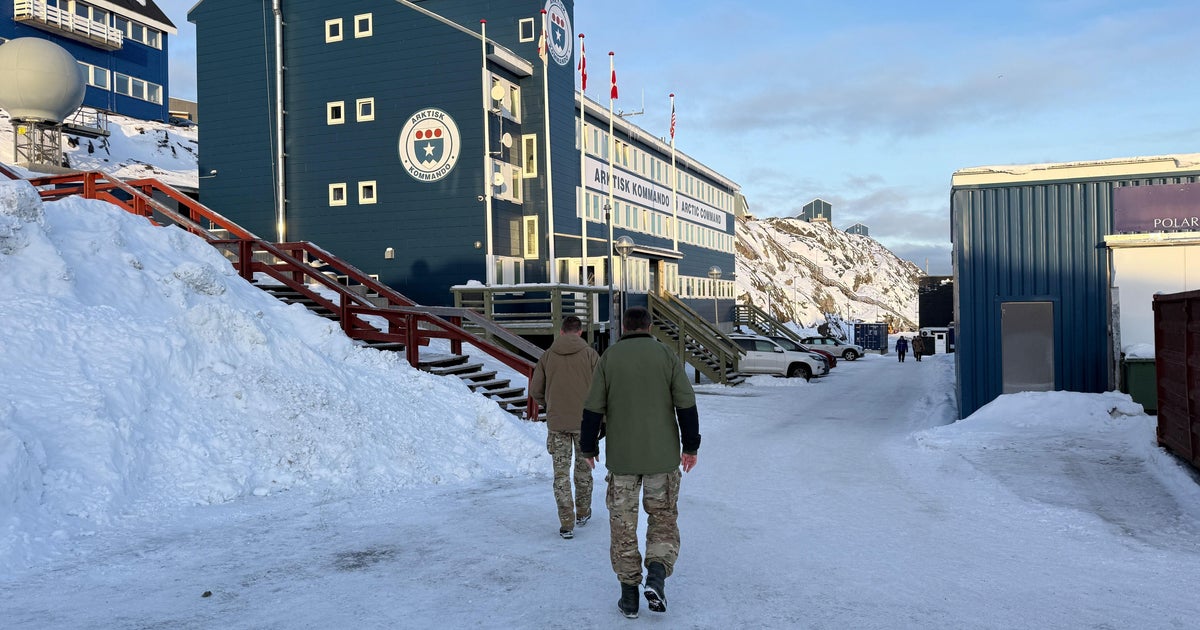
NATO European members are increasing military activity and holding war games in the Arctic as a diplomatic spat between the Trump administration and Danish/Greenland authorities over potential U.S. control of Greenland continues. Russia condemned NATO’s militarization of the North and highlighted the transatlantic disagreement, while Denmark reports nearly $14 billion invested in Arctic security and several European countries are deploying small military contingents (Germany 13 troops, Netherlands one naval officer for reconnaissance, Finland two liaison officers, and an initial French team). The developments raise geopolitical risk in the Arctic and could sustain defense-sector focus and regional security spending, though immediate market-moving economic data are absent.
Market structure: Arctic militarization benefits defense primes, Arctic-specialist suppliers, and satcom/logistics firms that can operate in extreme conditions. Expect displacement of commercial Arctic projects (oil/services) while demand for ice-capable vessels, cold-weather electronics, and long-range ISR grows; pricing power shifts to niche suppliers (Kongsberg/SAAB-type vendors) as lead times extend 12–36 months.
Risk assessment: Tail risks include a localized military incident or sanctions spiral (low-probability 5–10% over 12 months) that would spike insurance and commodity risk premia; immediate market moves are likely muted but volatility can surface around NATO/Danish funding announcements (30–90 days). Hidden dependencies: weather windows, scarce Arctic construction crews, and environmental litigation can delay projects by 6–24 months and compress near-term revenue visibility.
Trade implications: Favor multi-horizon exposure—near-term option-driven trades around procurement announcements and multi-quarter equity positions for suppliers of Arctic-capable hardware. Cross-asset: expect modest EUR weakness vs USD on transatlantic rifts, safe-haven bid to gold and sovereign bonds in event of escalation; oil may gain a 2–5% risk premium if shipping lanes or extraction are threatened.
Contrarian angles: The market overweights big US primes; Europe/Nordic small-caps (KOG.OL, SAAB-B.ST) are underpriced relative to near-term contract capture potential and trade at lower multiples. Procurement cycles are slow—profits may not appear until 12–36 months—so combine short-dated event options with 1–3 year equity holdings to capture both announcement and delivery phases.
AI-powered research, real-time alerts, and portfolio analytics for institutional investors.
Request DemoOverall Sentiment
moderately negative
Sentiment Score
-0.35
