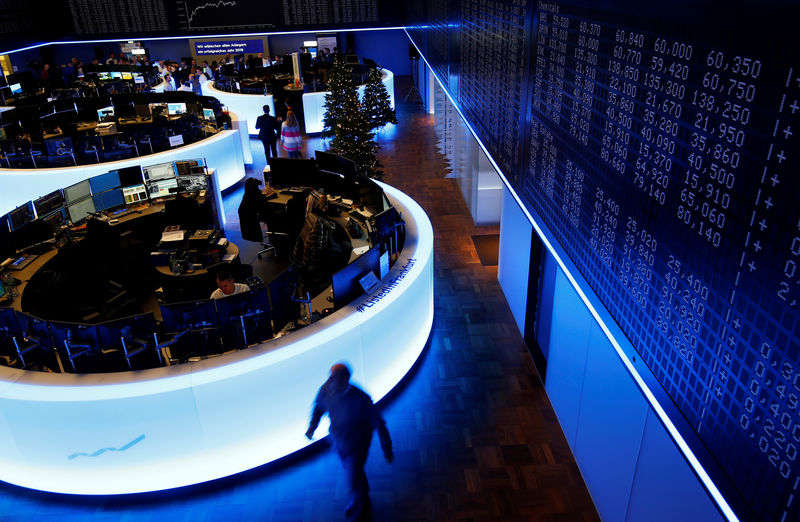
Brent futures for May fell 4.8% to $99.50/bbl as reports of potential mediated talks between the U.S. and Iran reduced risk premia. Pan-European equities rallied (Stoxx 600 +1.3%; DAX +1.7%; CAC 40 +1.4%; FTSE 100 +0.9%) on the prospect of diplomacy after reports of a U.S. 15-point peace plan and mediators from Turkey, Egypt and Pakistan arranging talks. Key risks remain: the Strait of Hormuz has been effectively closed to tankers, Iran is setting high preconditions (including transit fees) and Iranian military officials downplayed an immediate resolution. The move is material for energy markets and inflation dynamics, but preserves the possibility of lower oil-driven shocks if talks progress.
The market’s risk-on bounce is pricing a rapid de-risking of the oil risk premium rather than a structural removal of supply frictions; that premium has behaved like a 1-3 week event in past Strait-of-Hormuz shocks and can evaporate quickly if transit certainty and insurance spreads normalize. Second-order effects to watch are shipping economics and refinery feedstock flows — a re-opened Hormuz removes the emergency margin that has been bid into tanker day-rates and spot crude differentials, reversing basis moves that have temporarily advantaged certain mid-continent refineries and storage plays.
Winners from a diplomatic thaw are asymmetric: demand-sensitive sectors (airlines, travel) capture immediate margin relief while capital-light service providers to shipping (brokers, smaller LR/ULCC owners) get squeezed the fastest as day-rates compress. Conversely, players who have been remunerated for geopolitical risk (tanker owners, specialty war-risk underwriters, and regional sovereign sellers who priced into forward loadings) will see rapid revenue contraction and inventory markdown risk.
Key catalysts are binary and near-term — confirmations that traffic through Hormuz is contractually open (days), any negotiated fee framework from Iran (which could embed a lasting transport tax), and Gulf producers’ willingness to flood the market (weeks). The trade is therefore a short-duration volatility play: price moves can reverse within days on headlines, but persistence of fees or asymmetric Gulf policy could permanently reset freight and margin structures over months.
AI-powered research, real-time alerts, and portfolio analytics for institutional investors.
Request DemoOverall Sentiment
mildly positive
Sentiment Score
0.12
