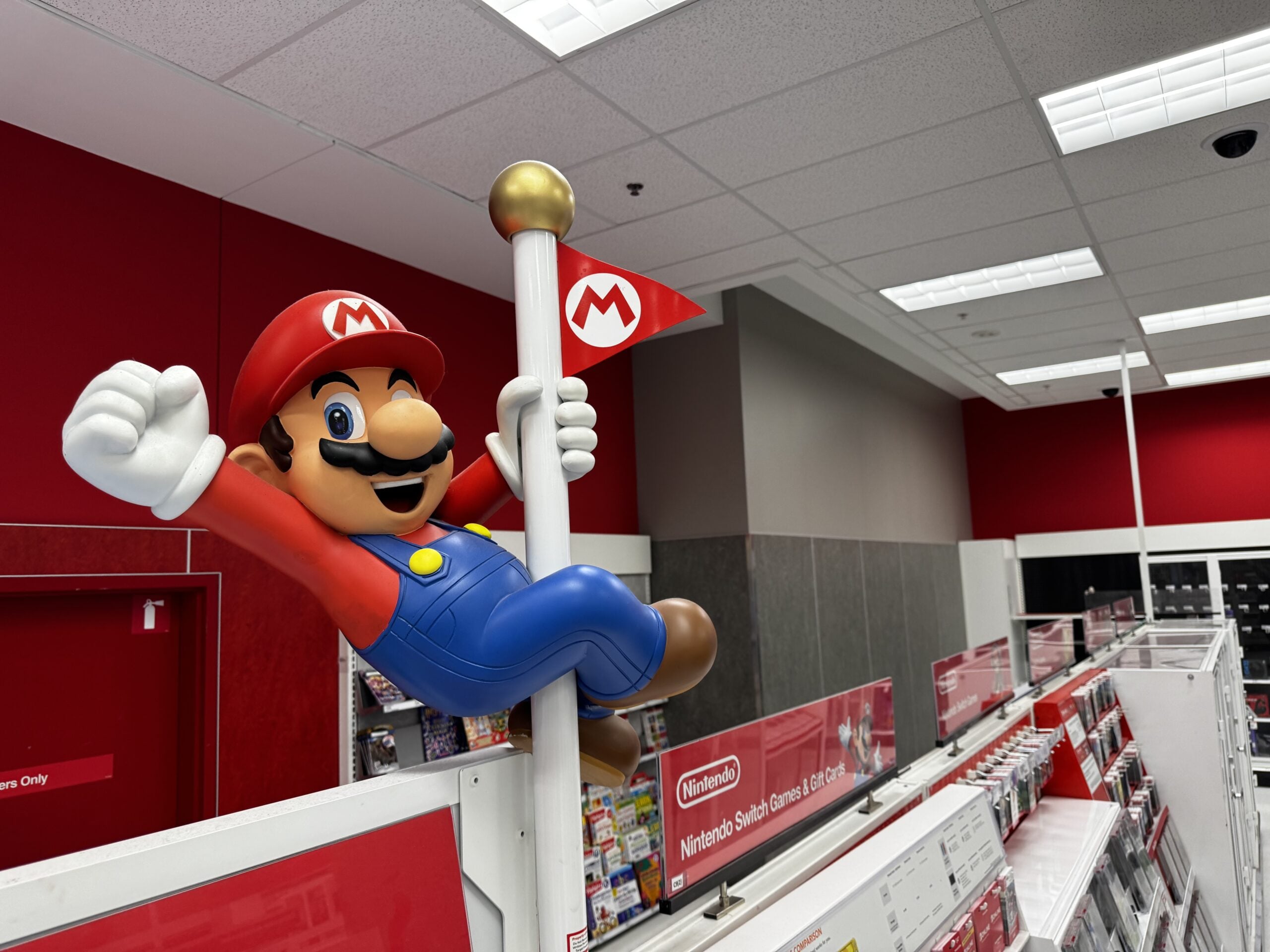
Beginning May 2026 Nintendo will introduce differing MSRPs for Switch 2 titles: Yoshi and the Mysterious Book preorders show a $10 premium for the physical SKU ($70 physical vs $60 digital). Nintendo attributes the change to higher production and distribution costs, and analysts warn the company may raise or discontinue the $449 entry Switch 2 SKU in favor of a $499+ bundle amid rising tariffs and memory/storage prices. The move is likely incremental — affecting game revenue mix and consumer pricing dynamics rather than causing a market-wide shock.
If first‑party publishers bifurcate list prices by channel at scale, the economics of distribution shift from volume to margin. Every few dollars of incremental MSRP on boxed SKUs materially raises per‑unit gross for publishers while simultaneously reducing retailer sell‑through and second‑hand market liquidity; that margin reallocation favors platform incumbents that monetize installed base via subscriptions and digital stores where 80–90% of incremental dollars can flow to platform/content owners versus ~40–60% through physical retail and wholesale channels.
Upstream, sustained higher BOM cost — driven by memory and storage — creates two durable effects: OEMs will rationalize SKUs (phasing out low‑margin entry models within 6–18 months) and console makers will push digital packaging, DLC and subscriptions harder to protect ASPs. The knock‑on to semiconductor suppliers is asymmetric: DRAM/NAND vendors gain pricing power and capex visibility, while consumer electronics distributors and big‑box retail see margin compression and inventory rebalancing ahead of seasonal windows.
Tail risks and catalysts cluster around three timelines. Near term (0–3 months) watch banner release cycles and retailer pre‑order behavior as a test of consumer elasticity; medium (3–12 months) monitor memory ASP trajectories and OEM SKU rationalizations; long term (12–36 months) the key reversal lever is faster than expected adoption of cheaper memory or regulatory/retailer pushback forcing price parity. A consumer backlash or wholesale channel bargaining could force publishers to reset prices quickly, so position sizing should be calibrated to a 3–12 month event horizon with active triggers.
AI-powered research, real-time alerts, and portfolio analytics for institutional investors.
Request DemoOverall Sentiment
neutral
Sentiment Score
0.00
Ticker Sentiment
