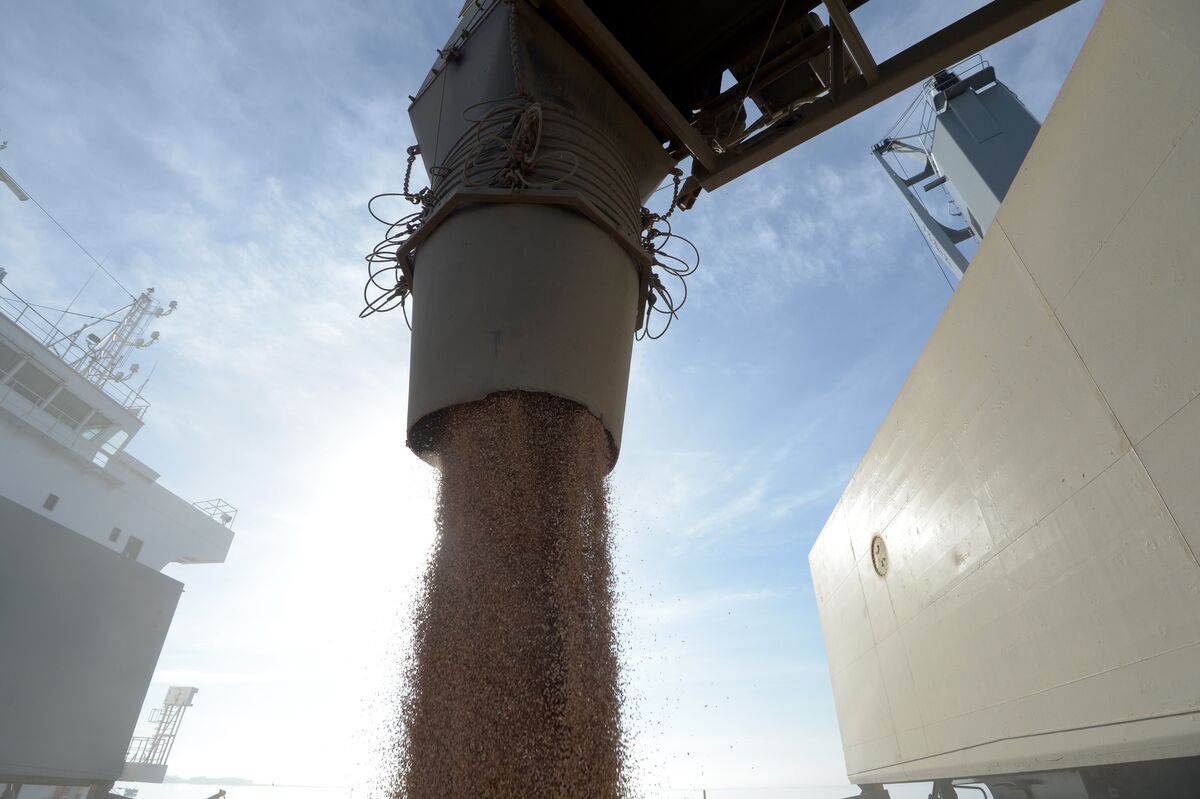
Western Australia, the country's largest wheat producer and a key exporter to Asia and the Middle East, is forecasting a significant decline in its 2025-26 wheat output to 9.4 million tons, down from 12.5 million tons last season. This reduction, attributed to poor rainfall and reported by the Grain Industry Association of Western Australia, signals potential shifts in global grain supply dynamics and pricing, particularly for Asian and Middle Eastern markets.
The initial 2025-26 forecast from the Grain Industry Association of Western Australia projects a significant contraction in wheat output, a key indicator for global commodity markets. Production is anticipated to fall to 9.4 million tons, a sharp 24.8% decline from the 12.5 million tons recorded in the previous season. This substantial reduction is directly attributed to poor rainfall, highlighting the supply-side vulnerability to adverse weather conditions. As Western Australia is the country's primary wheat producer and a crucial exporter to Asia and the Middle East, this shortfall is expected to tighten regional supply chains. The development supports a strongly negative sentiment reading on production volume but implies a bullish pressure on wheat prices, as key importing nations may face higher costs or need to source grain from alternative global suppliers.
AI-powered research, real-time alerts, and portfolio analytics for institutional investors.
Request DemoOverall Sentiment
strongly negative
Sentiment Score
-0.65
