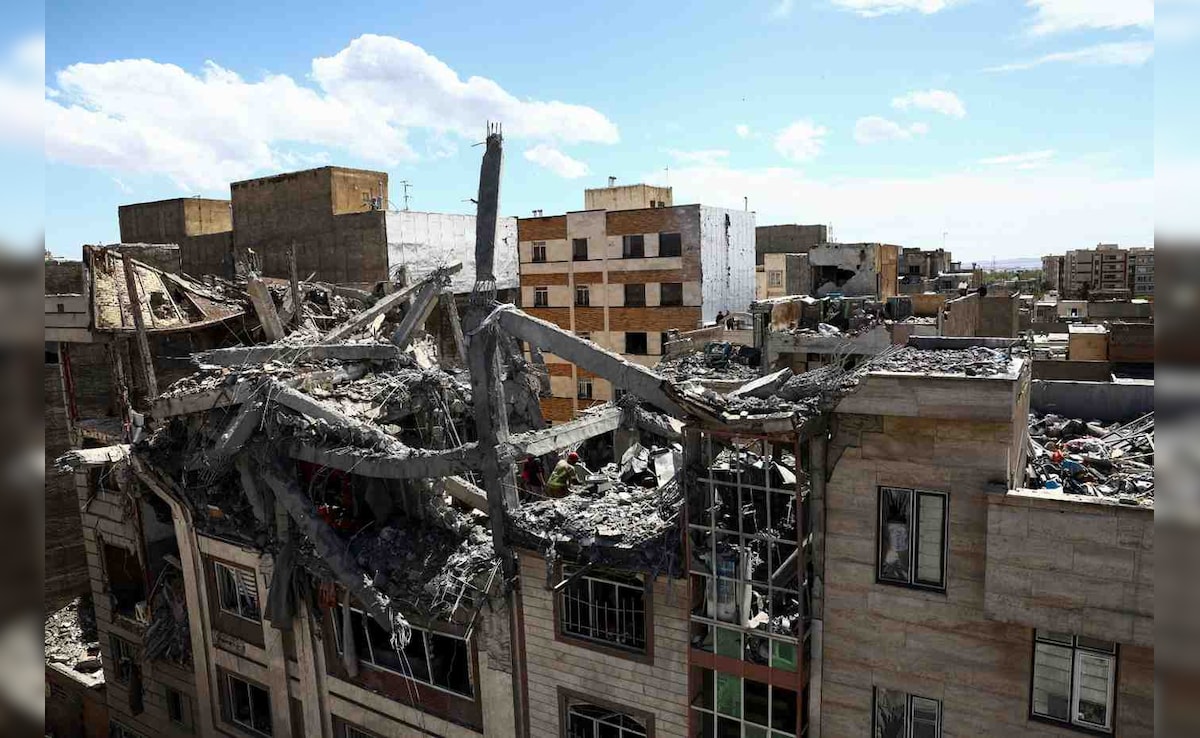
Oil surged sharply after Iranian missile and drone strikes, including a drone attack on Kuwait’s Mina al-Ahmadi refinery: WTI rose 11.4% to $111.54/bbl and Brent jumped 7.8% to $109.03/bbl. Equities and risk assets weakened (Sensex down ~1,400 points, Nifty down ~420), gold pulled back ~1.3% to $4,694.48/oz, and currencies saw safe-haven flows as markets priced heightened supply risk from the Strait of Hormuz and the prospect of further US military escalation and regional disruptions.
The immediate market reaction (spiking energy risk premia and risk-off flows) understates the more durable logistics shock: crude and refined product availability will bifurcate regionally for weeks-to-months as Gulf exports reroute to limited alternative pipelines/terminals, raising tanker and product-arbitrage volatility. Expect regional refinery utilization to oscillate — downstream margins in consuming markets with secure feedstock (USGC, Asia coastal runs) should widen while Gulf coastal refiners face outage and feedstock access risk, amplifying crack spreads unevenly.
Second-order winners are not just upstream producers but oilfield services (high-margin completion activity) and storage/tanker owners who capture the scarcity premium; losers include high-frequency, fuel-exposed sectors (airlines, container shipping) and EM consumers facing immediate pass-through to headline inflation and fiscal stress. Politically-driven interventions (SPR releases, maritime escorts, UN mandate votes) create discrete catalysts: each announced coordinated release or protected corridor should compress energy premia within 2–8 weeks, while protracted interdiction would push structural capex acceleration in energy security over 6–24 months.
Volatility trades are preferable to directional futures here — implieds will overshoot realized on both oil and freight, creating asymmetric option entry opportunities. The consensus is pricing a prolonged worst-case regional blockade; where that view is overdone, expect sharp reversals on credible diplomatic progress or coordinated SPR action. Conversely, escalation into broader Red Sea/Red Sea choke-point attacks materially raises the probability of sustained >$100 Brent for multiple quarters and would favor capital-intensive security/defense assets longer term.
AI-powered research, real-time alerts, and portfolio analytics for institutional investors.
Request DemoOverall Sentiment
strongly negative
Sentiment Score
-0.80
