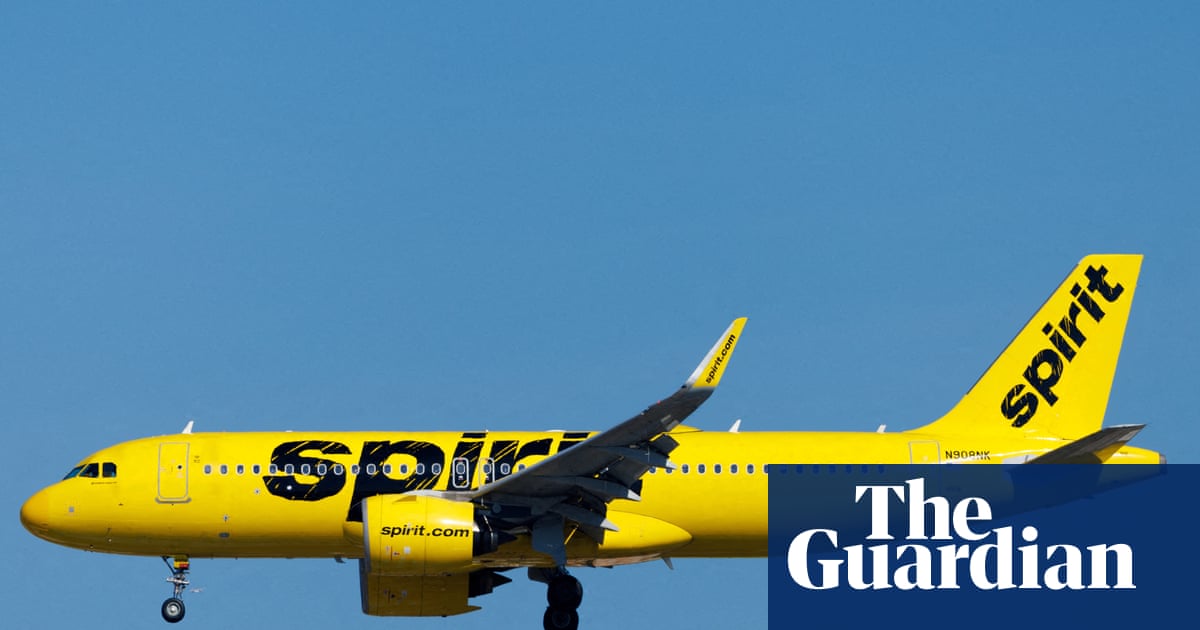
Spirit Airlines has filed for Chapter 11 bankruptcy protection for the second time, just months after emerging from a previous reorganization. The carrier cited dwindling cash and mounting losses, including a $1.2 billion net loss last year, as its efforts to adapt its ultra-low-cost model to post-pandemic travel trends, compounded by failed merger bids and engine issues, proved insufficient. Despite the filing, the airline stated that flights, ticket sales, and operations will continue, underscoring the deep structural challenges facing the budget carrier.
Spirit Airlines has filed for Chapter 11 bankruptcy protection for a second time, signaling a severe and rapid deterioration of its financial standing since its previous reorganization in March. The filing is a direct result of multiple compounding pressures, including a significant $1.2 billion net loss last year, dwindling cash reserves, and the failure of its strategic pivot away from the ultra-low-cost model. The company's turnaround efforts were fundamentally undermined by both internal and external factors. Internally, the collapse of the $3.8 billion merger with JetBlue Airways removed a critical strategic lifeline, while operational disruptions from RTX's Pratt & Whitney engine issues grounded a significant portion of its Airbus fleet. Externally, the post-pandemic shift in consumer demand towards more experience-driven travel has challenged the viability of Spirit's core business model. Furthermore, the article suggests macroeconomic headwinds, such as tariffs and budget cuts, have cooled consumer spending and depressed domestic airfares, exacerbating the airline's financial distress. The CEO's acknowledgment that "more work to be done" confirms the initial restructuring was insufficient to address these deep-rooted structural and operational problems.
AI-powered research, real-time alerts, and portfolio analytics for institutional investors.
Overall Sentiment
extremely negative
Sentiment Score
-0.85
Ticker Sentiment
