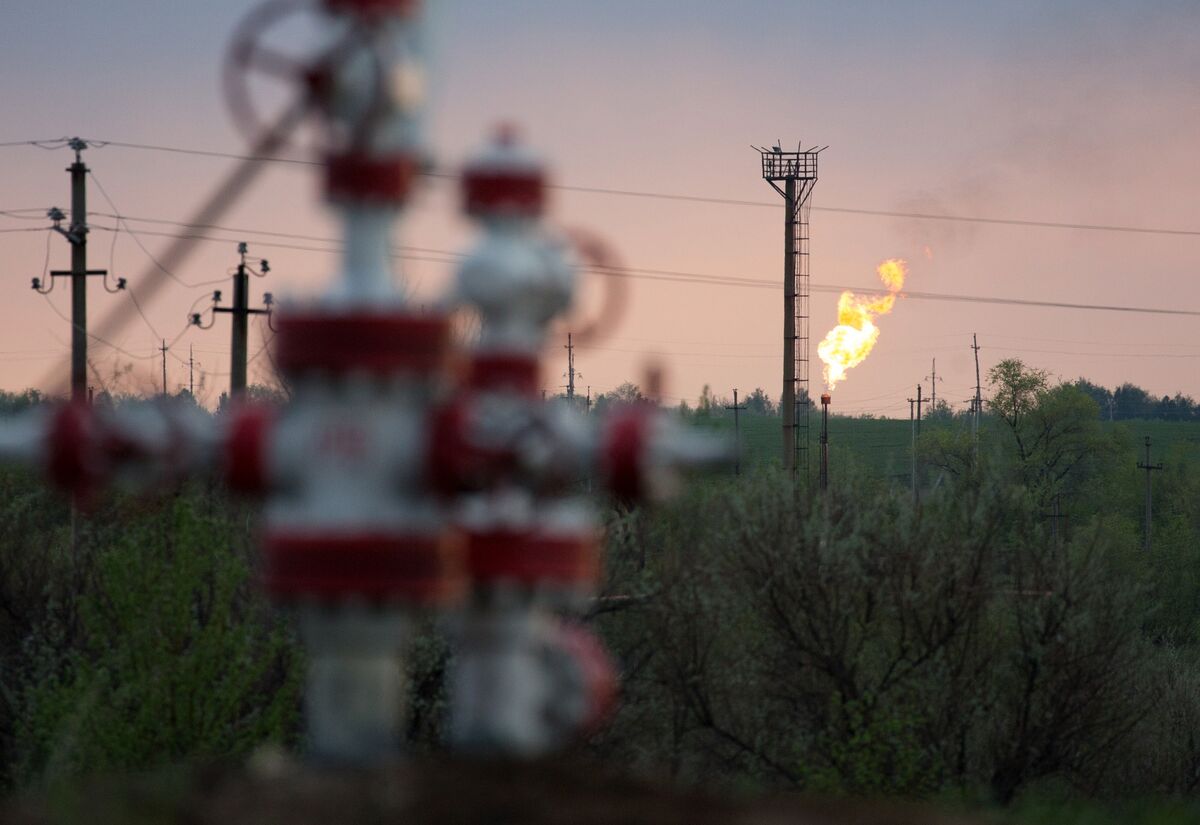
Russia has paused an adjustment to its budget rule and postponed planned sales from the National Wellbeing Fund after an oil-price rally linked to the Middle East war eased near-term fiscal pressure. The move lowers immediate pressure to tap sovereign reserves to cover the deficit, reducing near-term financing needs but delaying steps to diversify away from energy-dependent revenues.
This pause is less a policy pivot than a timing trade: by deferring asset sales and rule changes, the Kremlin preserves optionality while market participants take the oil rally as a quasi-permanent revenue plug. The immediate micromechanism is a temporary removal of incremental supply of foreign assets (SWF sales) that would have otherwise hit global fixed-income markets; that subtle supply reduction supports sovereign and core rates by a few basis points over weeks-to-months, not permanently.
For domestic Russian markets the second-order winners are balance-sheet sensitive state entities — OFZs and state banks — which face lower near-term issuance and thus tighter spreads, while non-energy exporters suffer a slow-bleed competitiveness hit as the ruble stays firmer. At a structural level the pause entrenches fiscal dependence on commodity cycles: absent active fiscal reform, any oil reversal will force asset sales at lower prices and amplify downside to credit and FX within 3-12 months.
Tail risks cluster around sharp oil re-pricing and geopolitical shifts: a rapid de-escalation in the Middle East or a Chinese demand shock can erase the revenue cushion within 60-120 days, triggering forced fiscal moves. Conversely, a sustained oil firming over 6-12 months reduces the probability of privatizations and reforms, keeping Russia’s structural credit risk and geopolitical tensions elevated — a multi-year stagflationary backdrop for Europe and EM importers.
The actionable implication is asymmetric positioning: defend against a mean-reversion oil shock (cheap optionality on downside) while selectively owning cash-flow beneficiaries of higher oil for convex upside. Size and tenor should be short-to-intermediate given policy optionality and sanction tail-risk.
AI-powered research, real-time alerts, and portfolio analytics for institutional investors.
Overall Sentiment
mildly positive
Sentiment Score
0.12
