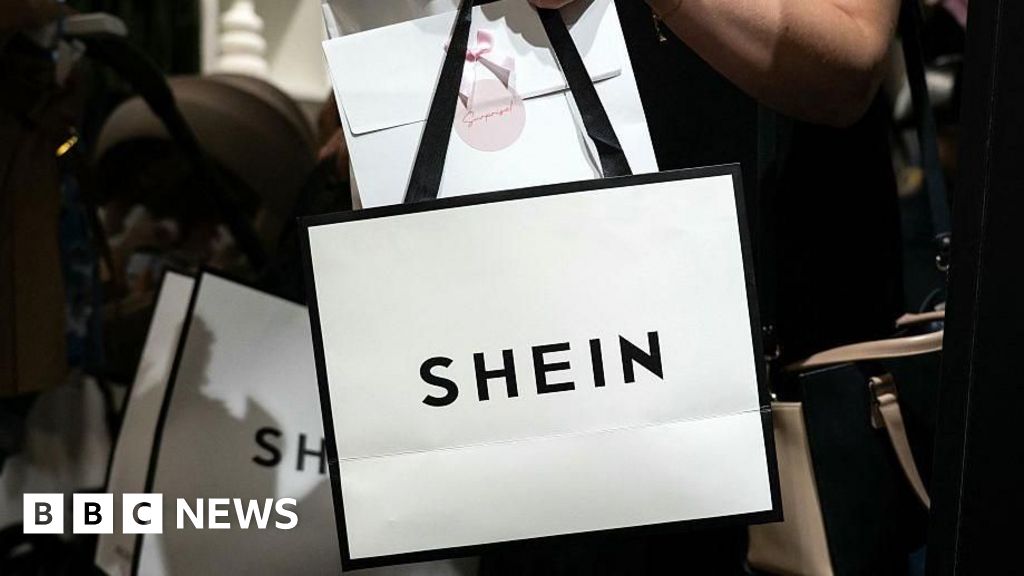
Shein founder Xu Yangtian pledged to invest more than 10bn yuan (~$1.45bn / £1.08bn) in Guangdong to build a high‑tech fashion hub and strengthen ties to China's garment manufacturing base. The remarks coincide with Shein's global expansion—relocating HQ to Singapore and pursuing potential New York/London listings—while the company faces regulatory probes in the EU, US trade-policy headwinds (removal of a low‑value parcel tax loophole), and ESG and labor criticisms that could affect its international growth trajectory.
Market structure: Xu’s 10bn CNY Guangdong investment signals vertical integration and capex-led productivity gains in China’s apparel cluster; beneficiaries are listed contract manufacturers (e.g., Shenzhou Intl 2313.HK), regional logistics (SF Holdings 002352.SZ) and industrial automation suppliers — expect 3–10% margin expansion over 12–24 months for efficient suppliers tied to Shein if they capture incremental volume. Western fast‑fashion players (Boohoo BOO.L, ASOS ASC.L) face intensified price competition and reputational risk in EU markets, pressuring gross margins by 100–300bps over the next 6–12 months.
Risk assessment: Key tail risks include a US/UK regulatory clampdown or tariffs on low‑value parcels, an EU digital-services fine >€50–100m, or a rapid consumer ESG boycott that could cut Shein volumes >10% in priority markets; these are low probability but high impact within 3–12 months. Hidden dependencies: Shein’s model depends on Guangdong labour and small‑parcel logistics — automation reduces labour risk but increases CAPEX intensity and demand for local machine-makers; catalyst timeline: Shein IPO signals or EU findings (likely within 3–12 months) will re-rate exposures.
Trade implications: Favor selective long positions in Hong Kong/China supply‑chain plays with direct Guangdong exposure (2–4% position sizing, 12–24 month horizon) and relative shorts in European pure‑play fast fashion retail (6–12 month horizon). Use options to hedge regulatory shock: buy 3–6 month put protection on longs and buy out‑of‑the‑money (OTM) puts on Shein competitors where liquidity allows.
Contrarian angles: Market consensus sees only geopolitical/regulatory downside; underappreciated is Shein’s commitment to localize higher‑value digital services (AI design, automated sewing) which could consolidate market share and depress input prices for apparel — creating a multi‑year disinflationary impulse in fast fashion and upstream fiber demand. Short-term sentiment may overprice EU backlash risk; if regulatory fines are contained (<€50m) expect a relief rally in Guangdong‑exposed names.
AI-powered research, real-time alerts, and portfolio analytics for institutional investors.
Request DemoOverall Sentiment
mixed
Sentiment Score
0.00
