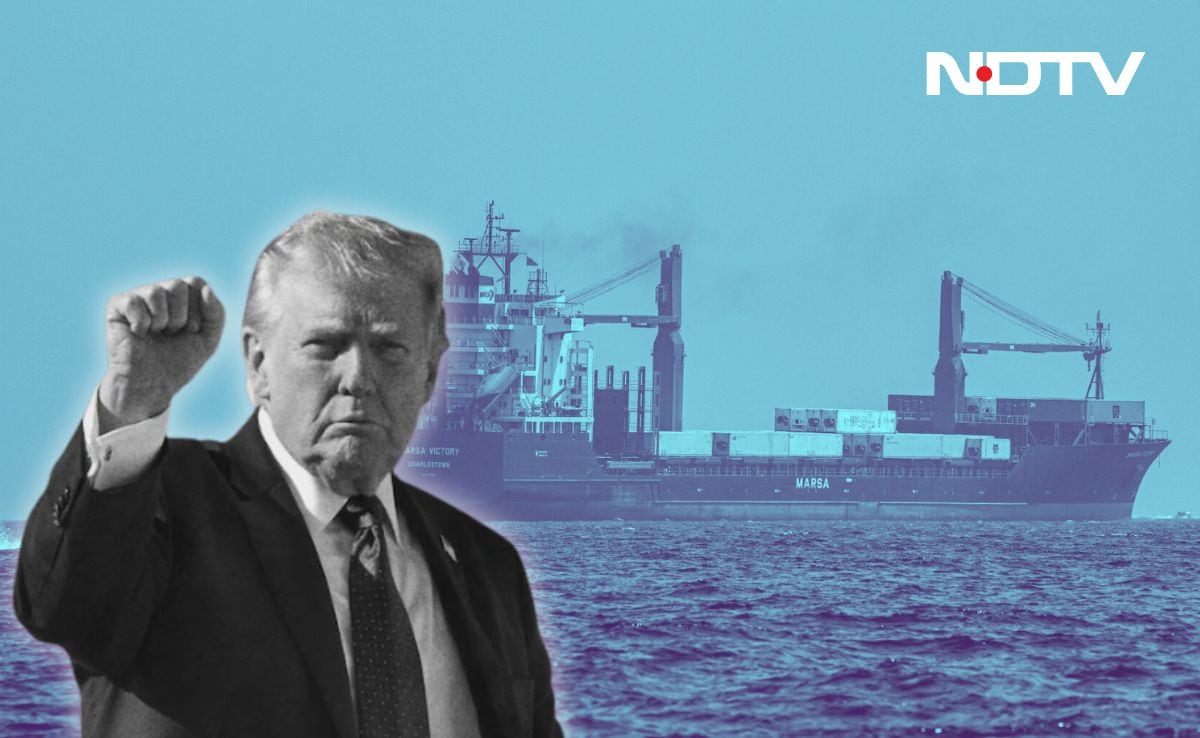
President Trump said the US plans a 'joint venture' with Iran to charge tolls in the Strait of Hormuz; at ~120 daily transits and a reported ~$2.0m toll on some ships, this could generate roughly $240m per day. Implementing tolls would likely require direct US military control in Omani/ Iranian waters, significantly raising geopolitical risk to shipping, oil flows, insurance costs and could drive market volatility and risk-off positioning.
Any attempt to monetize control of a major maritime chokepoint changes the economics of insurance, chartering and routing faster than it changes headline revenue figures. Expect P&I and war-risk premia to reprice within days, spot charter rates for tankers and LNG carriers to gap higher within 1–8 weeks, and freight forwarders to push costs through to end‑customers within one inventory cycle.
Operational control of sea lanes requires diplomatic basing rights and persistent naval presence, which creates a two-tier outcome: owners of mobile shipping assets capture near-term scarcity rents while fixed logistics players (terminals, scheduled container lines) face permanent higher unit costs and route-length increases. The knock-on to commodity markets is asymmetric — energy cargoes with limited storage (LNG, crude on modern tankers) see immediate backwardation and higher volatility; containerized trade sees demand destruction and nearshoring acceleration on a 3–18 month timeframe.
Political and legal frictions are the primary path to reversal: multilateral legal challenges, allied pushback over territorial access, or effective rerouting via alternate passages can collapse premiums rapidly. Conversely, a drawn-out enforcement regime entrenches higher structural costs for traded goods, boosting margins for asset-light intermediaries (brokers/reinsurers) and asset-heavy owners (modern tanker fleets) over multiple years.
The market risk is two-fold: the headline revenue math is likely overstated relative to enforceable take, and consensus underprices the implementation friction and the asymmetric winners. Alpha exists in short-duration plays that capture the initial insurance/charter reprice and in longer-duration plays on companies that sell protection (brokers/reinsurers) or own high-specification, in-demand vessels.
AI-powered research, real-time alerts, and portfolio analytics for institutional investors.
Request DemoOverall Sentiment
moderately negative
Sentiment Score
-0.45
