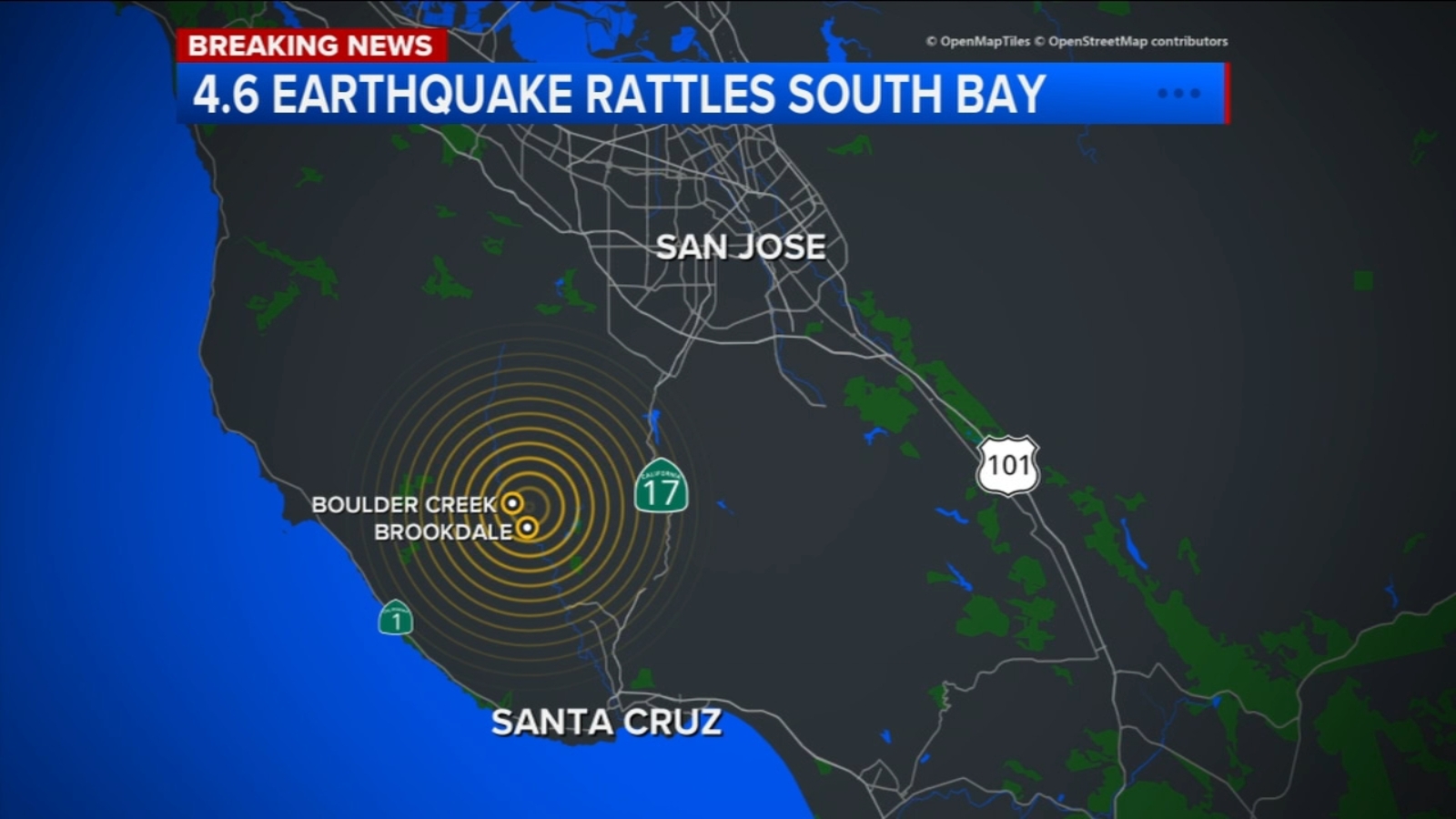
A magnitude 4.6 earthquake (initially reported 4.9) struck near Boulder Creek, CA at 1:41 a.m., shaking much of the Bay Area. No major damage reported—items fell in one drugstore aisle and a mirror broke in a residence—and there have been no confirmed aftershocks, though USGS estimates ~40% chance of a magnitude ≥3.0 quake within a week. Impacts are localized to residents and small businesses and are unlikely to have material market implications.
A localized seismic reminder tends to produce concentrated, short-lived economic ripples rather than systemic shocks. In practice, measurable demand shifts show up as immediate purchases of repair materials and replacement small-ticket items (shelving, glass, mirrors, adhesives), which favor large-format home-improvement retailers with nationwide logistics over mom-and-pop hardware stores. Expect a 1–3% bump in local DIY/hardware sales for 4–8 weeks in comparable past episodes; magnitude scales with perceived aftershock probability rather than the single event itself.
On a 3–12 month horizon the more durable effect is an increase in engineering, inspection and retrofit work as homeowners and municipalities reassess vulnerability and accelerate low-cost mitigations. That creates visible backlog and revenue momentum for design/engineering contractors that hold municipal and utility relationships, with contract award cadence the key gating factor. Separately, catastrophe model repricing is incremental — single small events rarely breach industry loss-retention layers, but a noisy sequence can reset premium assumptions over 1–3 years for earthquake coverage, benefiting specialty underwriters and retrofit services while pressuring new-home demand in hyper-local pockets.
Market participants will likely either ignore this as transitory or over-index to headline risk; both are exploitable. The right play is asymmetric, short-duration exposure to consumer repair spending and selective, horizon-weighted exposure to infrastructure/retrofit beneficiaries, paired with a low-cost hedge against a clustered seismic sequence. Key catalysts to watch that would materially change positioning are sustained aftershock activity, a step-up in county permit filings, and early insurer loss estimates or municipal emergency declarations.
AI-powered research, real-time alerts, and portfolio analytics for institutional investors.
Request DemoOverall Sentiment
neutral
Sentiment Score
0.00
