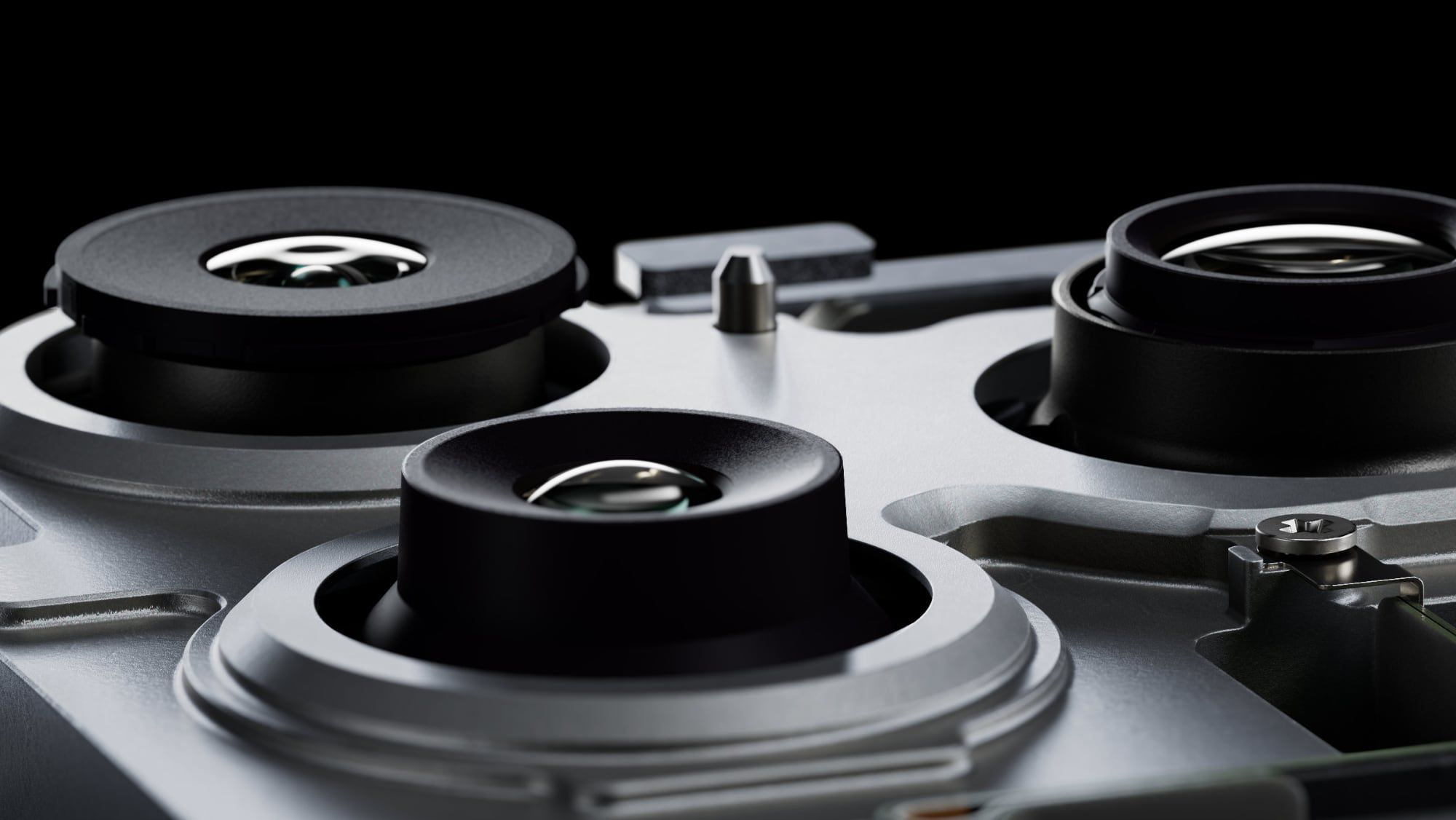
Apple is reportedly evaluating four future camera upgrades, including variable aperture for the iPhone 18 Pro models, a 1/1.12-inch main sensor, enhanced ultra-wide stabilization, and a 200-megapixel periscope telephoto lens. The only feature with a near-term timeline is variable aperture, expected on the iPhone 18 Pro and iPhone 18 Pro Max this September; the other upgrades appear to be later-stage tests with uncertain rollout timing. The news is incremental and product-focused, with limited near-term market impact, but it supports the long-term innovation narrative for iPhone hardware.
The near-term read-through is modestly positive for AAPL, but the equity market will likely underprice the option value of a multi-year camera cycle rather than the headline feature itself. A variable-aperture main sensor is the first upgrade with a credible near-term path to shipment, and it matters because it can widen the performance gap vs Android flagships in the highest-visibility spec category: low light, portrait quality, and computational photography inputs. That supports a small premium in upgrade willingness for the Pro tier, which is more important for mix and ASP than unit growth.
The second-order winner is Sony, but only if Apple truly migrates to a materially larger image sensor footprint. Even a partial content increase from a larger main sensor would lift imaging BOM value and strengthen Sony’s bargaining position across the premium smartphone ecosystem. The market may miss that this is not just a component story; larger sensors tend to force changes in optics, stabilization, and module packaging, which can raise switching costs and compress the addressable supplier set over time.
The contrarian view is that the news is more bullish for Apple’s product narrative than for near-term earnings. Camera specs move launch-week sentiment, but they rarely change iPhone demand unless they unlock a visible consumer use case; the bigger P&L lever remains carrier promotions and installed-base replacement timing. The risk is that expectations get too far ahead of execution: if Apple delays the larger sensor or 200MP telephoto beyond the 2026 cycle, the market may rotate from excitement to fatigue, especially if Android rivals ship similar hardware first.
For timing, the catalyst window is the next 3-12 months around supplier validation and pre-launch rumor flow. If Apple confirms only one upgrade for the upcoming Pro cycle, there is room for a “sell the spec hype” reaction in the supply chain names, while AAPL likely holds up better because the brand premium can absorb incremental feature drift. The strongest risk/reward likely sits in a relative-value structure that benefits from Apple’s product momentum without paying full multiple expansion for component enthusiasm.
AI-powered research, real-time alerts, and portfolio analytics for institutional investors.
Request TrialOverall Sentiment
mildly positive
Sentiment Score
0.15
Ticker Sentiment
