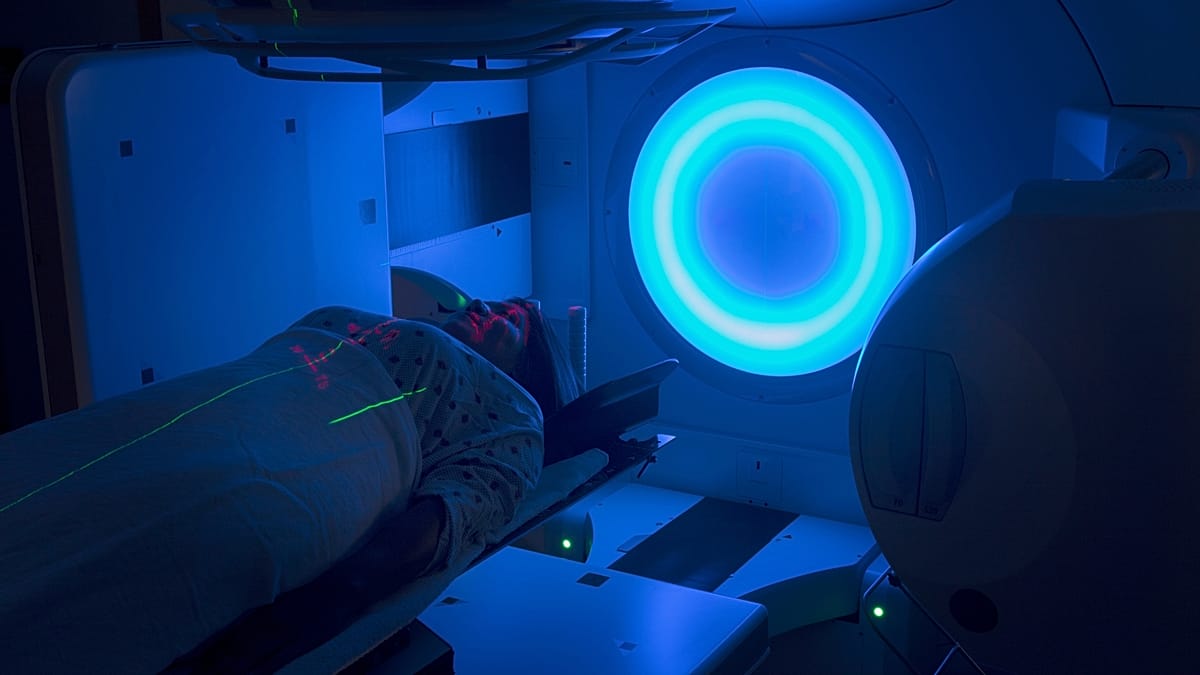
A new international study published in the New England Journal of Medicine found that radiation therapy did not significantly improve 10-year survival rates for women with intermediate-risk, early-stage breast cancer who had undergone mastectomy and systemic therapy. This finding challenges current treatment protocols, suggesting that a substantial patient cohort could avoid unnecessary radiation, potentially leading to more efficient allocation of healthcare resources and impacting demand for radiation oncology services and equipment manufacturers.
A new international study published in the New England Journal of Medicine found that radiation therapy did not significantly improve 10-year survival rates for women with intermediate-risk, early-stage breast cancer. The trial of over 1,600 patients showed survival rates of 81.4% for the radiation group versus 81.9% for the non-radiation group over a median of 9.6 years. This challenges the historical standard of care for this specific patient cohort.
The findings suggest a substantial patient population could avoid unnecessary irradiation, mitigating severe side effects like lung inflammation and nerve damage. This shift is expected to lead to more effective and efficient utilization of health and care resources, as highlighted by John Simpson. It reinforces a broader trend away from radiotherapy for lower-risk patients, now extending to the intermediate-risk category.
This development carries a moderate market impact, particularly for the radiation oncology services sector and manufacturers of radiation equipment. The "moderately positive" sentiment reflects potential improvements in patient quality of life and healthcare system efficiencies. Investors should anticipate evolving demand dynamics within the Healthcare & Biotech industry, requiring strategic adaptation from relevant market participants.
AI-powered research, real-time alerts, and portfolio analytics for institutional investors.
Request DemoOverall Sentiment
moderately positive
Sentiment Score
0.50
