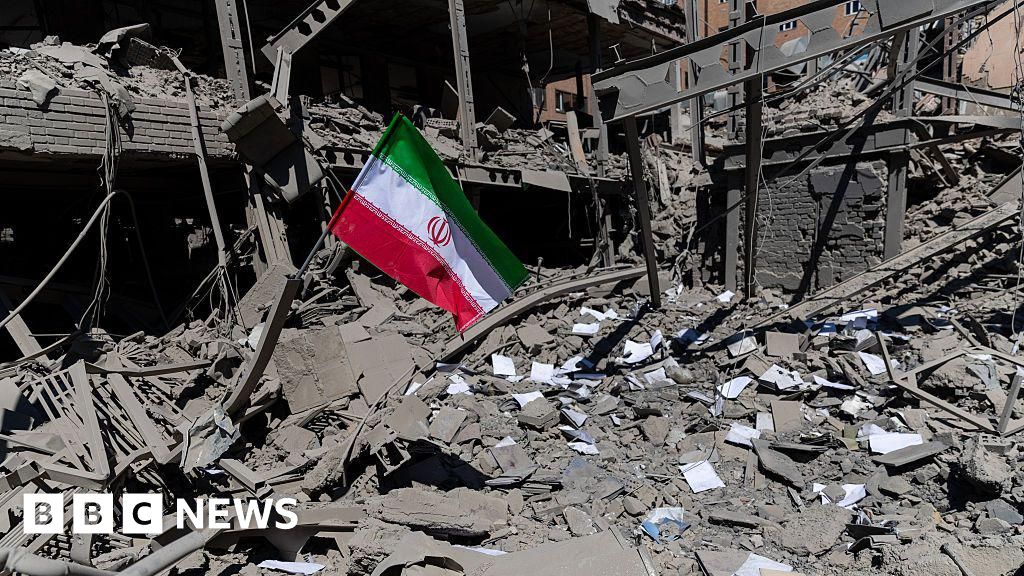
Ceasefire after the US–Israel campaign against Iran (started 28 February) creates a temporary respite and a two-week window for Islamabad-brokered talks that may determine whether hostilities resume. Iran’s ten‑point demands — recognition of control over the Strait of Hormuz, reparations, lifting of sanctions and release of frozen assets — raise the prospect of sustained constraints on shipping and a material upside risk to oil price volatility and global trade flows if the truce collapses. The episode strengthens China’s diplomatic influence, strains US alliances (NATO and Gulf partners) and increases geopolitical risk premia for portfolios exposed to energy, shipping and regional security.
The ceasefire is a short, asymmetric de‑risking event that primarily reduces kinetic risk for global trade routes for days-to-weeks, but it structurally increases Iran's bargaining power (Strait of Hormuz leverage, asset-unfreeze demands) which creates a higher baseline for geopolitical premium in energy, insurance and defense for months. Expect physical shipping frictions to persist even under a nominally open strait: coordination requirements effectively raise transit friction and insurance cost curves, putting a floor under tanker rates and seaborne oil premiums until a durable legal/operational regime is codified (0–12 months).
Market winners in the near-term are defense primes, marine insurers/reinsurers and energy producers; losers are commercial shippers, airlines/cruise operators and EM sovereign credit that rely on Gulf financing. China’s mediation role is a multi-year geopolitical win for its regional influence — expect incremental Chinese upstream investment and concessionary financing that will shift OPEX/capex flows away from Western contractors over 1–3 years.
Tail risks skew to episodic escalation: a failed Islamabad negotiation, an Israeli sidelining reaction, or miscalculated US threats could produce a rapid re‑blocking of Hormuz or strikes on Gulf infrastructure, sending oil vol and risk premia spiking within days. The high-probability catalyst window is short—two weeks around Islamabad talks—so the optimal trades are event-aware, front-loaded, and paired with hedges that capture both a quick escalation and a protracted negotiated settlement that reduces upside but leaves a higher geopolitical floor.
AI-powered research, real-time alerts, and portfolio analytics for institutional investors.
Request DemoOverall Sentiment
strongly negative
Sentiment Score
-0.70
