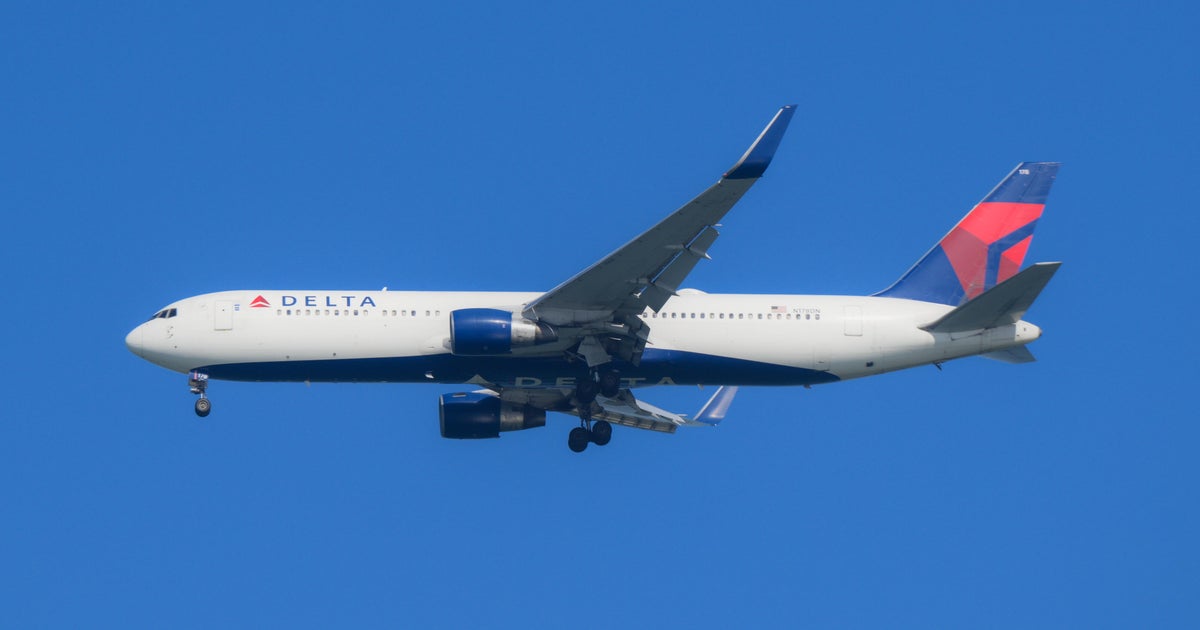
Delta Air Lines will launch a nonstop Minneapolis–St. Paul (MSP) to Maui service beginning Dec. 19 using an A330-300 with 282 seats, with tickets going on sale Saturday; the carrier is also resuming nonstop Boston–Honolulu service on the same date. The route targets an unmet winter leisure demand—Maui is MSP’s largest unserved nonstop market with roughly 170 Twin Cities travelers a day in peak winter months—and should modestly increase Delta’s long-haul leisure capacity and local connectivity without representing material near-term financial impact.
Market structure: Delta (DAL) is the direct beneficiary — the A330-300 (282 seats) route to Maui from MSP signals Delta leveraging hub scale to convert ~170/day latent demand into direct, higher-yield leisure traffic; if flown daily this is ~103k incremental seats/year and will siphon connecting passengers from legacy partners and niche Hawaii carriers (Hawaiian Holdings HA, regional feed). Pricing power will be mixed: Delta can charge a premium for nonstop but added point-to-point capacity increases system wide leisure seat supply and will cap connecting fares near-term.
Risk assessment: Key tail risks are a sustained jet-fuel spike (Brent > $95/bbl for 60+ days), a pandemic/resurgence travel shock, or operational mis-allocations (aircraft/crew at MSP) that push unit costs >5–10% versus plan. Time horizons: immediate (days) — ticket-sales & PR flow; short-term (Dec–Mar) — route load factor determines profitability; long-term (12–24 months) — network feed economics and yield management. Hidden dependencies include feed from MSP corporate demand, interline partners and local labor/gate constraints.
Trade implications: Tactical long DAL exposure into Dec 19–Mar peak season is warranted; monitor first-month load factors >70–75% as a go/no-go signal. Options trade: buy a Mar-2026 DAL call spread (buy ATM, sell +10% OTM) to capture seasonal upside while capping premium. Relative-value: long DAL vs short HA (Hawaiian Holdings) over 3–6 months to play scale advantage at MSP; size modest (1–2% net equity exposure) and hedge with fuel sensitivity.
Contrarian angles: Consensus may underweight cannibalization of connector revenue and underestimated marginal cost of long‑haul leisure (route-level break-evens often take 6–9 months). The market may underprice downside if average fares compress >10% versus current connecting fares; unintended consequences include higher local wages/gate scarcity at MSP and quick competitor capacity matches that compress yields. Key leading indicators: MSP→OGG load factor, average fare delta vs connecting fares, and 30-day jet-fuel moves >±5%.
AI-powered research, real-time alerts, and portfolio analytics for institutional investors.
Request DemoOverall Sentiment
mildly positive
Sentiment Score
0.30
Ticker Sentiment
