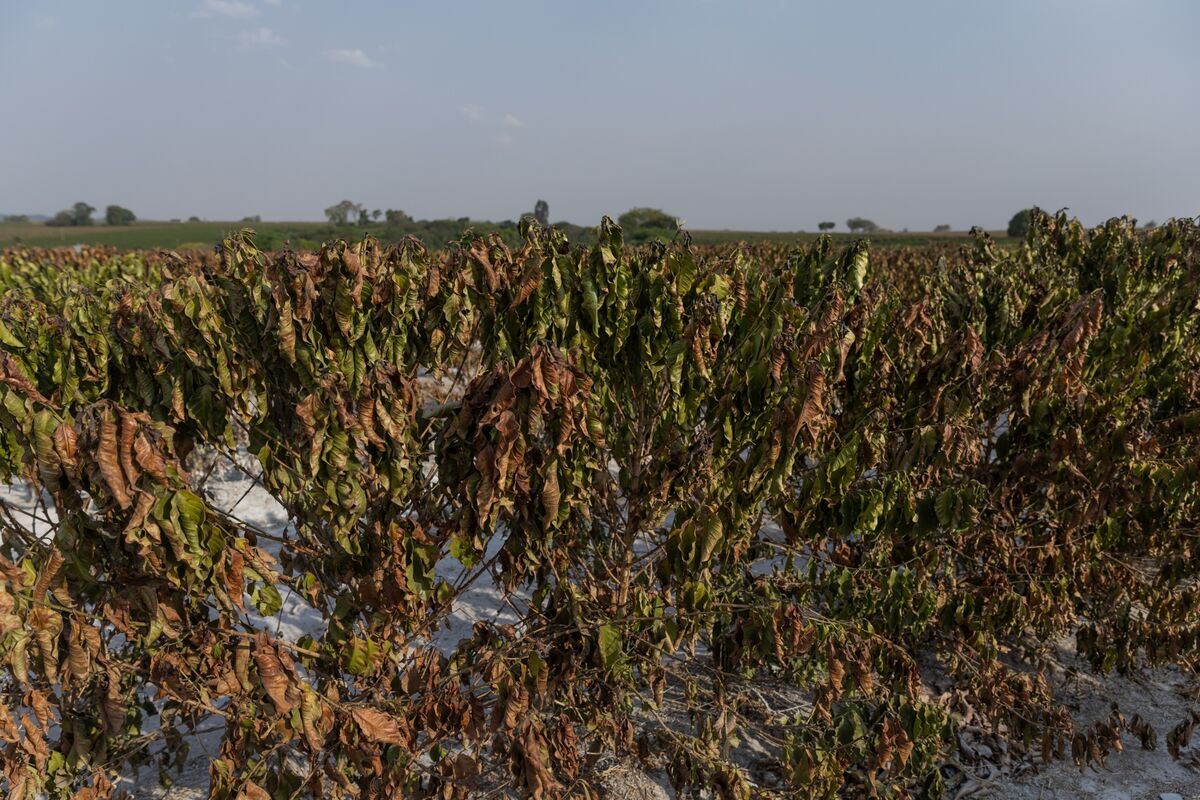
Food companies are actively exploring and testing 'insetting' as a novel strategy to combat climate change, specifically targeting the reduction of their indirect emissions. This emerging approach signifies a growing industry focus on integrating sustainability and carbon reduction efforts directly within their supply chains, potentially impacting operational strategies and ESG considerations for the sector.
The food industry is beginning to adopt 'insetting' as a strategic approach to mitigate climate change by reducing indirect, or Scope 3, emissions. This represents a significant evolution from traditional carbon offsetting, as it involves direct investment and intervention within a company's own supply chain to implement sustainable practices. While the concept is presented with a mildly positive sentiment, its current market impact is negligible, indicating this is an emerging, long-term trend rather than an immediate market catalyst. The focus on integrating sustainability from farming through the supply chain suggests companies are moving towards more fundamentally resilient operational models, which could have profound implications for their ESG profiles, cost structures, and long-term risk management.
AI-powered research, real-time alerts, and portfolio analytics for institutional investors.
Request DemoOverall Sentiment
mildly positive
Sentiment Score
0.30
