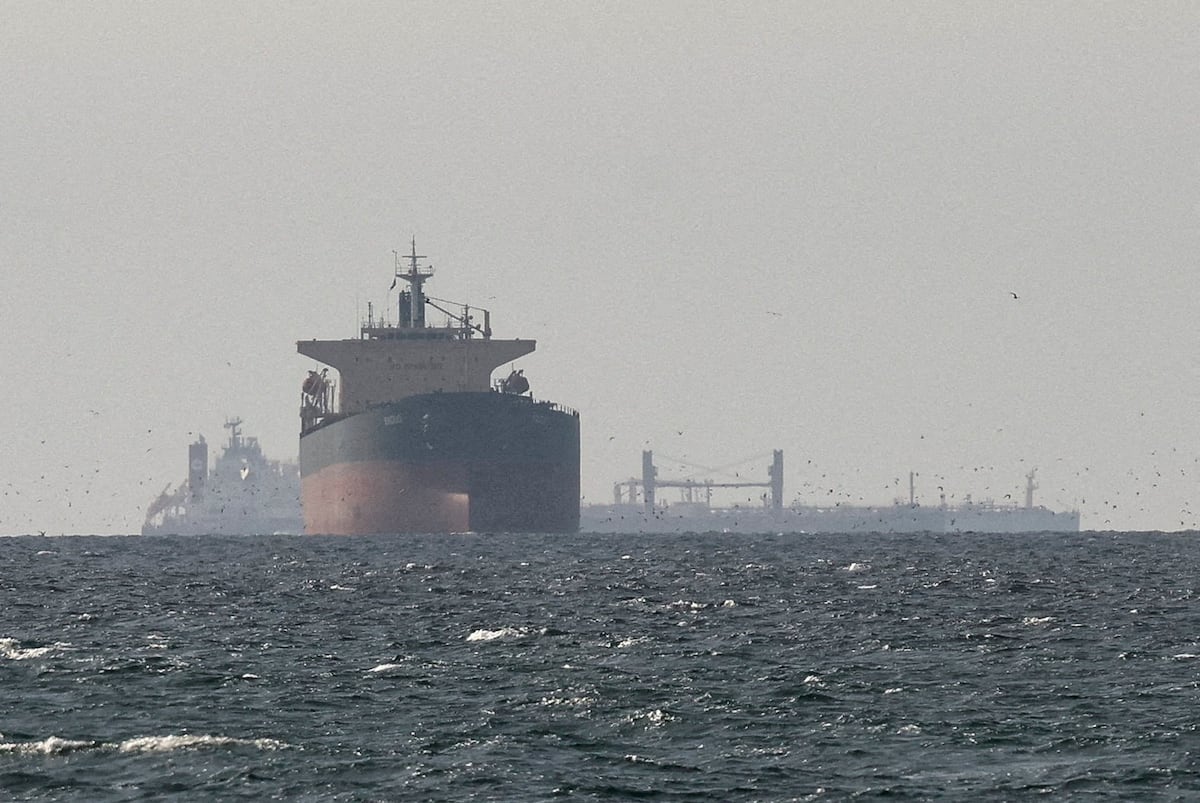
More than 10,000 Iranian targets have been struck and roughly 80% of Iran’s air-defense capability degraded, yet the Strait of Hormuz remains effectively closed as Iranian drones and missiles have struck over 20 commercial vessels (killing at least seven). Gas prices rose about $1.00 per gallon in a month and U.S. stock markets slipped into correction territory, amplifying pressure on policymakers. Authors warn the U.S. lacks layered, low-cost air-littoral defenses (attritable systems, mobile AD, persistent detection/interceptors) and urge scaling those capabilities now to reopen shipping lanes and mitigate broader economic disruption.
The market move being priced today is less about one-off supply disruptions and more about an expected structural reallocation of defense budgets and shipping economics. Expect procurement decisions to shift incrementally from a small number of high-cost platforms to large-volume purchases of attritable sensors, interceptors and loitering munitions — that re-rating plays out over 6–36 months as programs move from R&D into production lines and balance-sheetable contracts.
Shipping and freight dynamics will amplify energy-price moves beyond the near-term headline: rerouting around chokepoints increases laden voyage days per voyage by ~20–50% for some trades, lifting tanker and bunker demand while compressing container lead times and inventories unevenly, which disproportionately hurts high-turn consumer names dependent on just-in-time inventory. Insurers and P&I clubs will widen premia quickly, creating a multi-month revenue boost for tanker owners and specialty insurers but an input-cost shock for transportation-intensive sectors.
Catalyst pathway: a rapid diplomatic de-escalation (days–weeks) would collapse the insurance premia and re-route tonnage back through the shortest lanes, quickly reversing tanker winners and energy-driven equity moves; conversely, a protracted procurement pivot by Western militaries (6–24 months) will create a durable second-order bull market in smaller defense contractors able to scale unit production. Positioning must therefore separate tactical hedges (days–weeks) from strategic reallocations (quarters–years) and size accordingly.
AI-powered research, real-time alerts, and portfolio analytics for institutional investors.
Request DemoOverall Sentiment
strongly negative
Sentiment Score
-0.65
