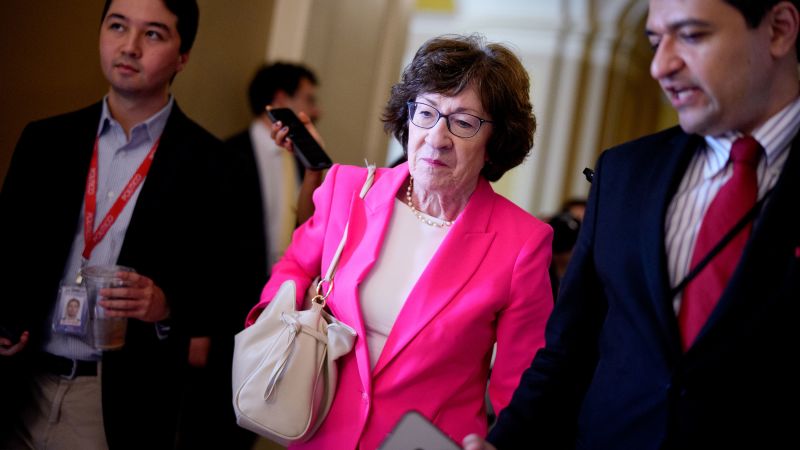
The White House's proposed $9.4 billion federal spending cuts package, previously passed by the House, faces substantial legislative hurdles and an uncertain future in the Senate ahead of its July 18 deadline. Key Republican senators, including Appropriations Chair Susan Collins, are demanding significant amendments to protect programs like PEPFAR and maternal/child health, while others are divided on the bill's current form. This internal GOP friction, coupled with broad Democratic opposition, highlights the political difficulty of enacting fiscal reforms and signals potential impacts on various government programs and the administration's budget priorities.
A $9.4 billion spending cut package proposed by the White House is facing significant legislative hurdles in the Senate, casting considerable doubt on its passage before the July 18 deadline. The primary obstacle is not bipartisan opposition but rather pronounced intra-party friction within the Republican majority. Senate Appropriations Chair Susan Collins has indicated the bill requires "significant changes" to secure her support, specifically demanding the removal of cuts to the PEPFAR global AIDS program and maternal health initiatives. This stance, supported by other moderate Republicans concerned about services like rural broadcasting, conflicts with fiscal conservatives who favor the House-passed version. The tight legislative timeline is a critical risk factor, as any Senate amendments would necessitate a second vote in the House. This political infighting, set against a backdrop of unified Democratic opposition, highlights the administration's challenge in executing its fiscal agenda. While the direct economic impact of the rescission is small, the legislative gridlock serves as a potent signal of potential difficulties in negotiating larger, more consequential fiscal matters in the future.
AI-powered research, real-time alerts, and portfolio analytics for institutional investors.
Request DemoOverall Sentiment
mildly negative
Sentiment Score
-0.30
