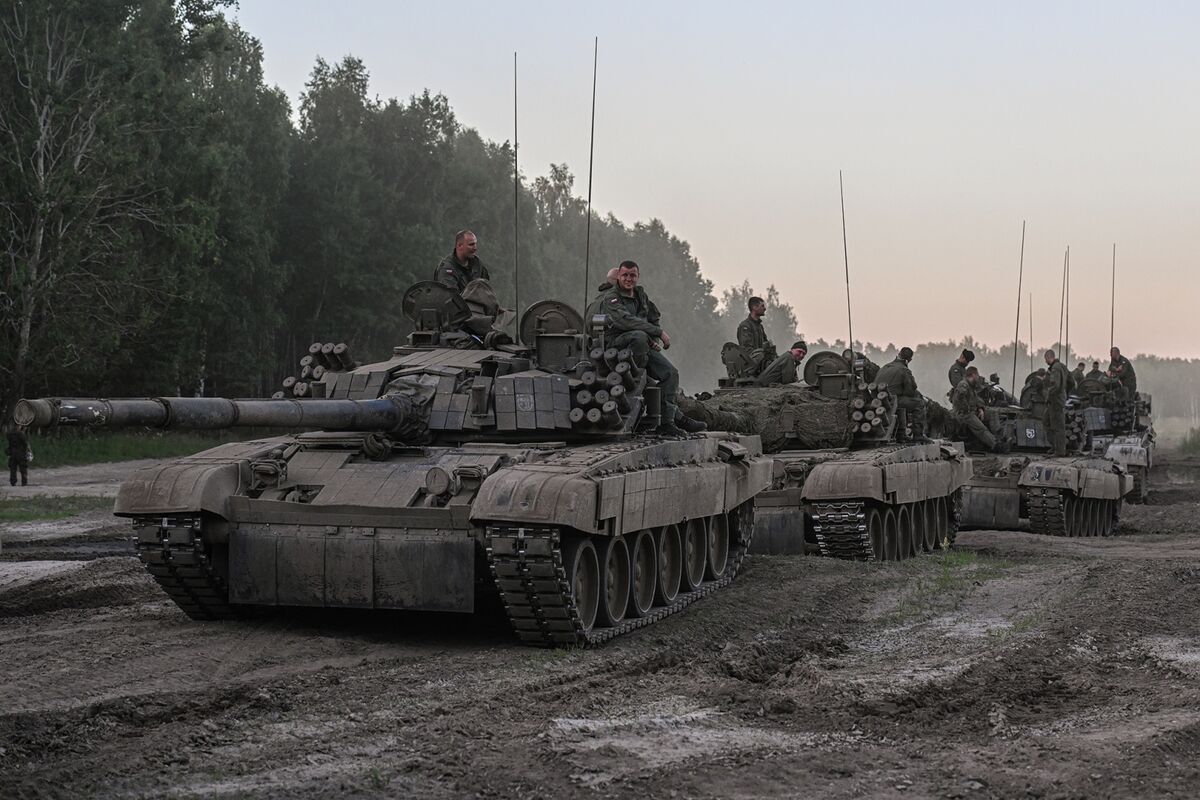
Donald Trump's proposal for the European Union to fund arms for Ukraine is intensifying pressure on EU officials as they negotiate the financing for the bloc's defense ambitions. This adds complexity to the ongoing €1.2 trillion EU budget deliberations, where member states are already divided between traditional spending priorities for farmers and regions, and the growing demand to divert funds towards urgent new issues like defense.
Donald Trump's proposal for Europe to finance arms for Ukraine is introducing significant pressure into the European Union's ongoing budget negotiations. The deliberation over the bloc's €1.2 trillion budget, a two-year process, is now further complicated by this geopolitical push. A fundamental tension already exists among the 27 member states between maintaining traditional funding streams—which dedicate two-thirds of the budget to agriculture and regional development—and reallocating capital toward more urgent priorities like defense. Trump's plan intensifies this debate, forcing a potential reassessment of the EU's long-term fiscal priorities and defense spending architecture. The situation creates fiscal uncertainty, as a pivot toward defense could necessitate either a larger overall budget or significant cuts to established programs, impacting sectors reliant on EU subsidies.
AI-powered research, real-time alerts, and portfolio analytics for institutional investors.
Request DemoOverall Sentiment
mildly negative
Sentiment Score
-0.30
