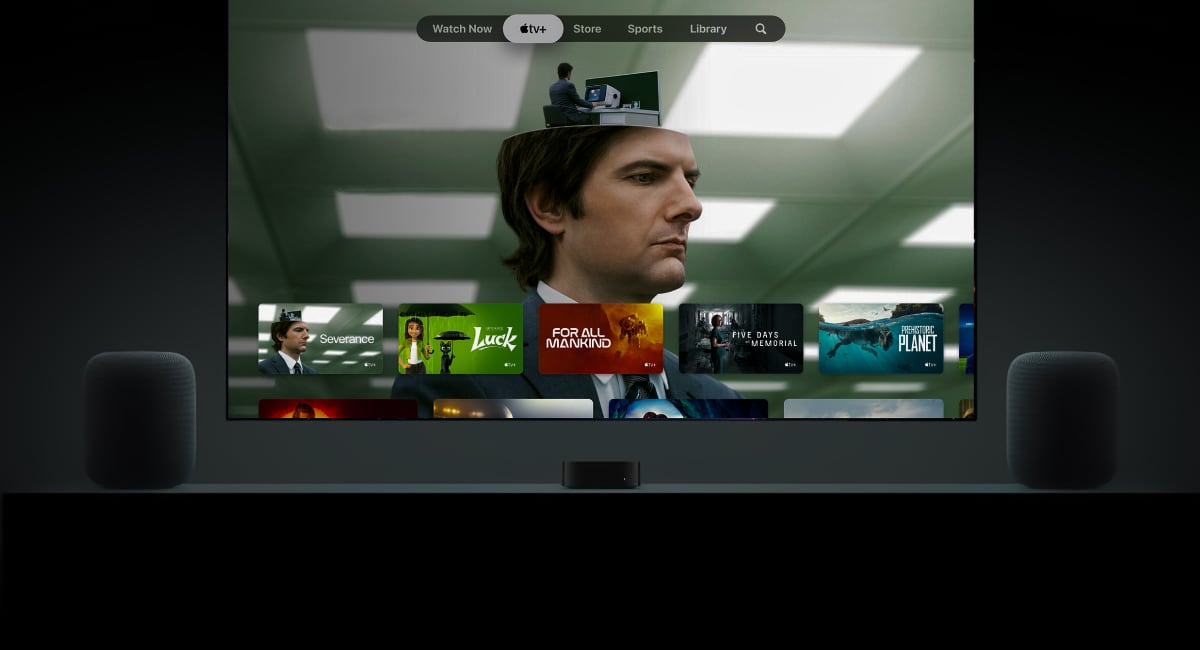
tvOS 26.4 is released for all Apple TV HD and Apple TV 4K owners and introduces Continuous Audio Connection — an uncompressed PCM (Dolby MAT) audio output that reduces dropouts and volume fluctuations but is limited to Apple TV 4K (2nd and 3rd gen) when connected to Atmos-compatible audio systems. The update also removes legacy iTunes Movies and TV Shows apps (consolidating playback into the Apple TV app), adds a 'Genius' personalized recommendations section with limited regional availability, and adds a quick subtitle menu for font, size, color and background controls.
This tvOS tweak is small on the surface but represents a structural friction reduction between Apple’s hardware and the premium home-audio ecosystem. Keeping audio links alive and moving uncompressed PCM with metadata lowers perceived quality problems (dropouts, pops, volume swings) that historically drive returns, support costs, and negative product sentiment — even a 1% improvement in retention/upgrade cadence in the Apple TV install base could translate into low‑hundreds of millions in incremental hardware + services revenue over 12–18 months. The feature’s restriction to newer 4K units creates a subtle upgrade incentive that is more meaningful for attach rates of Atmos-capable accessories than for raw device volume.
Second‑order winners include Apple Services (higher engagement and consolidated playback metrics) and chipset/firmware vendors that enable Dolby MAT decoding; losers are manufacturers who shipped receivers that misreport formats and any vendor that relies on dropout fixes as a differentiator. Sonos sits in the ambiguous middle: better baseline performance with Apple could reduce help‑desk volume and returns (positive), but misreporting or required firmware changes across receiver ecosystems could create short‑term support costs and user confusion (negative). These effects will play out primarily on a weeks‑to‑quarters cadence as firmware patches, support tickets, and upgrade promotions roll through channels.
Key risks: low penetration of Atmos‑capable home systems (likely <30% of households) mutes upside, and OEM firmware fixes could neutralize any competitive advantage within weeks. Monitor firmware release notes, Sonos support volumes, and Apple Services engagement metrics as the earliest hard signals; a sustained Services uplift or measurable sequential decline in AV returns would be the confirmatory catalysts over the next 1–4 quarters.
AI-powered research, real-time alerts, and portfolio analytics for institutional investors.
Request DemoOverall Sentiment
neutral
Sentiment Score
0.00
Ticker Sentiment
