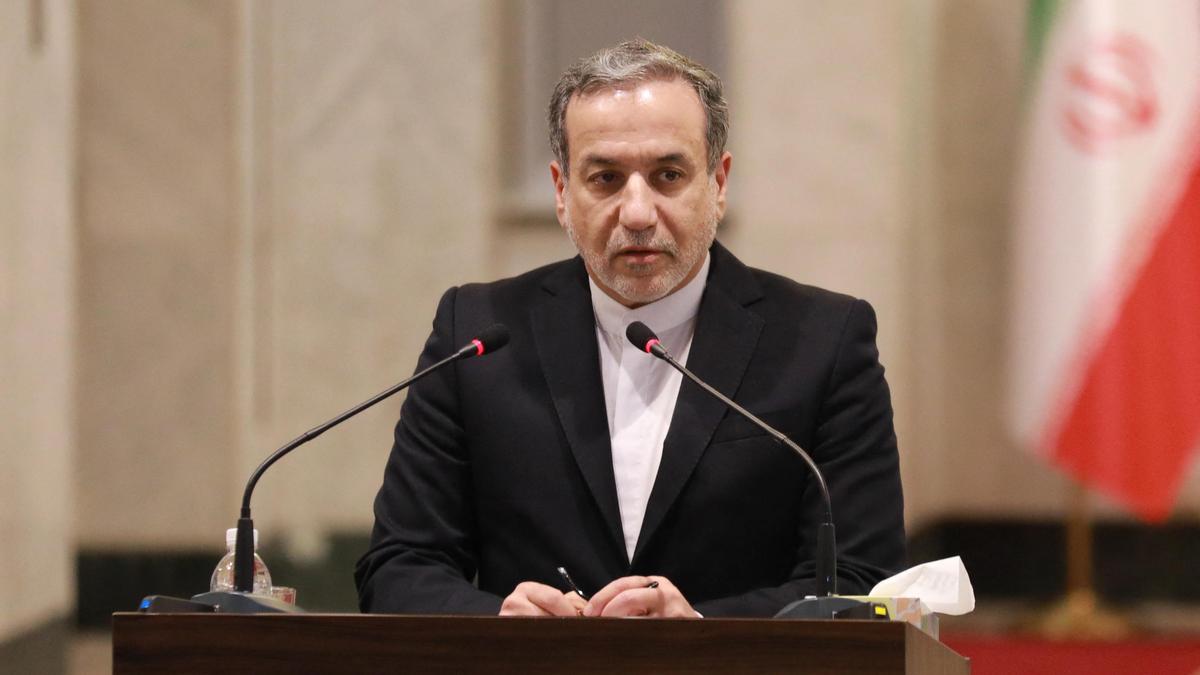
Iran accused the UAE of actively participating in the U.S.-Israeli war against Iran, escalating regional geopolitical risk. Separately, India said an Indian-flagged ship was attacked off the coast of Oman on May 13, though all crew were safe, underscoring heightened shipping-security concerns in the Persian Gulf and Strait of Hormuz. Iran also said it is developing a protocol to charge shipping for navigation services it has long provided free of charge, which could raise costs for regional trade routes.
The market implication is not the headline accusation itself but the widening of the premium on any route that touches the Strait of Hormuz or adjacent waters. Even if direct escalation stays contained, insurers, shipowners, and commodity merchants will price in a higher probability of delay, rerouting, and cargo-specific exclusions over the next 1-3 weeks, which is enough to tighten effective supply without a formal blockade. The immediate second-order effect is not just higher freight; it is inventory hoarding by refiners and importers, which can pull forward demand for alternate crude grades and temporarily distort time spreads. The attack on an Indian-flagged vessel is a useful tell because it broadens the perceived victim set beyond regional belligerents and raises pressure on New Delhi to harden maritime security and diversify routing. That tends to benefit shipping security vendors, naval-defense contractors, and ports/logistics nodes outside the conflict zone, while hurting operators with heavy exposure to the Gulf corridor and thin operating margins. Over months, if the UAE is seen as implicitly aligned with one side, the bigger risk is not direct retaliation but a slow degradation in the region’s status as the lowest-cost transshipment hub, which would bleed volumes to Indian Ocean alternatives. The pricing move to monetize safe passage is important because it signals a shift from geopolitically subsidized transit to quasi-ransom economics. If implemented, it sets a precedent that encourages other chokepoints to extract explicit fees, which is structurally negative for global trade efficiency and positive for firms that can pass through costs; smaller shippers and commodity traders absorb the spread. The contrarian view is that the market may overestimate persistence: once naval escorts, diplomacy, and cargo insurance reprice the lane, volumes often normalize faster than headlines suggest, especially if there is no sustained damage to tankers or energy infrastructure. Near term, the cleanest setup is to own protection against a 2-6 week spike in marine risk rather than bet on a full energy shock. The base case is elevated volatility with selective beneficiaries in defense, insurance, and non-Gulf logistics; the tail risk is a real disruption that forces emergency inventory build and a sharper oil move. The key catalyst to watch is whether additional vessel incidents occur in the next 7-10 days, because that is what would convert a geopolitical premium into a durable supply-chain regime change.
AI-powered research, real-time alerts, and portfolio analytics for institutional investors.
Request DemoOverall Sentiment
moderately negative
Sentiment Score
-0.45
