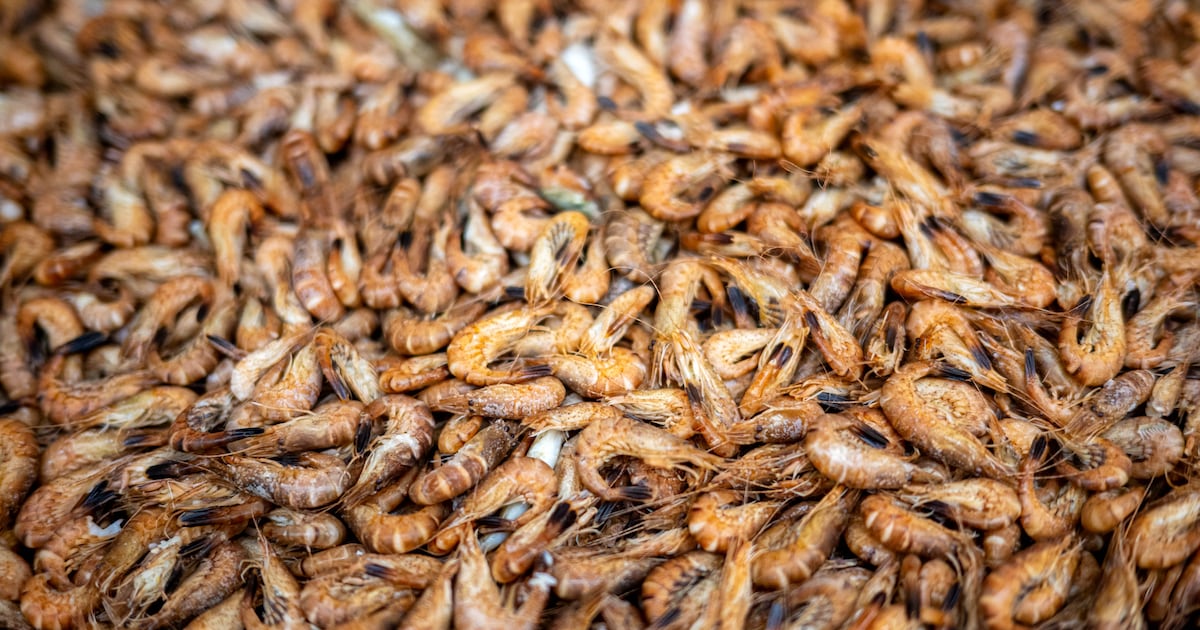
A DHS intelligence bulletin warns that imports from Indonesia — including shrimp linked to a prior FDA recall, as well as shoes, spices and other goods — will “almost certainly” test positive for Cesium-137 in the coming weeks, prompting heightened inspections. The FDA had previously recalled shrimp from PT. Bahari Makmur Sejati after trace Cs-137 was detected in one bag; DHS says contamination was likely unintentional, is prepared to block affected items, and that no contaminated products have entered U.S. markets to date. Investors should monitor potential supply-chain disruptions, increased inspection and compliance costs, and reputational risk for importers and retailers handling Indonesian goods.
Market structure: Imports testing positive for Cs-137 will create near-term winners in radiation-detection/security suppliers and alternative-source exporters (Vietnam/Bangladesh footwear, aquaculture in Ecuador/India). Retail SKUs tied to Indonesian shrimp, shoes and spices will face SKU-level outages and temporary pricing power for substitute suppliers; expect 5–20% retail price variance on affected SKUs over 4–12 weeks depending on inventory. Logistics bottlenecks at major US ports and additional Customs inspections will raise per-container clearance costs by an estimated $10–40/container for affected lines for months.
Risk assessment: Tail risks include a broader contamination discovery (weeksto-months) that forces multi-country recalls or an Indonesian export embargo, which could knock 0.1–0.5% off Indonesia GDP growth in the next quarter and materially pressure EIDO and IDR. Immediate (days): headline-driven EM outflows; short-term (weeks/months): supply-chain rerouting and higher freight/working-capital needs for importers; long-term (quarters+): sourcing diversification away from Indonesia for sensitive food/apparel categories. Hidden dependencies: brands with single-source contracts or just-in-time inventory are most exposed.
Trade implications: Tactical trades: short Indonesia equity exposure and buy security/inspection names; hedge retailers with Indonesia SKU concentration. Use 1–3 month puts to capture headline risk and rotate into homeland-security and domestic aquaculture producers over 3–12 months as contracts and capital spending adjust. Watch volatility spikes around FDA/DHS bulletins as timing for options entry.
Contrarian angles: Consensus likely overestimates persistent demand loss for shrimp—consumers may substitute other seafood, containing price rises; therefore avoid long-term shorts on broad U.S. retailers. Historical parallels (food contamination scares) show 6–12 week shocks then normalization; consider buying selective recovery plays once recalls are limited to specific manufacturers. A mispriced opportunity exists in high-quality inspection-equipment makers where order cadence could increase 10–30% over 6–12 months.
AI-powered research, real-time alerts, and portfolio analytics for institutional investors.
Request DemoOverall Sentiment
mildly negative
Sentiment Score
-0.30
