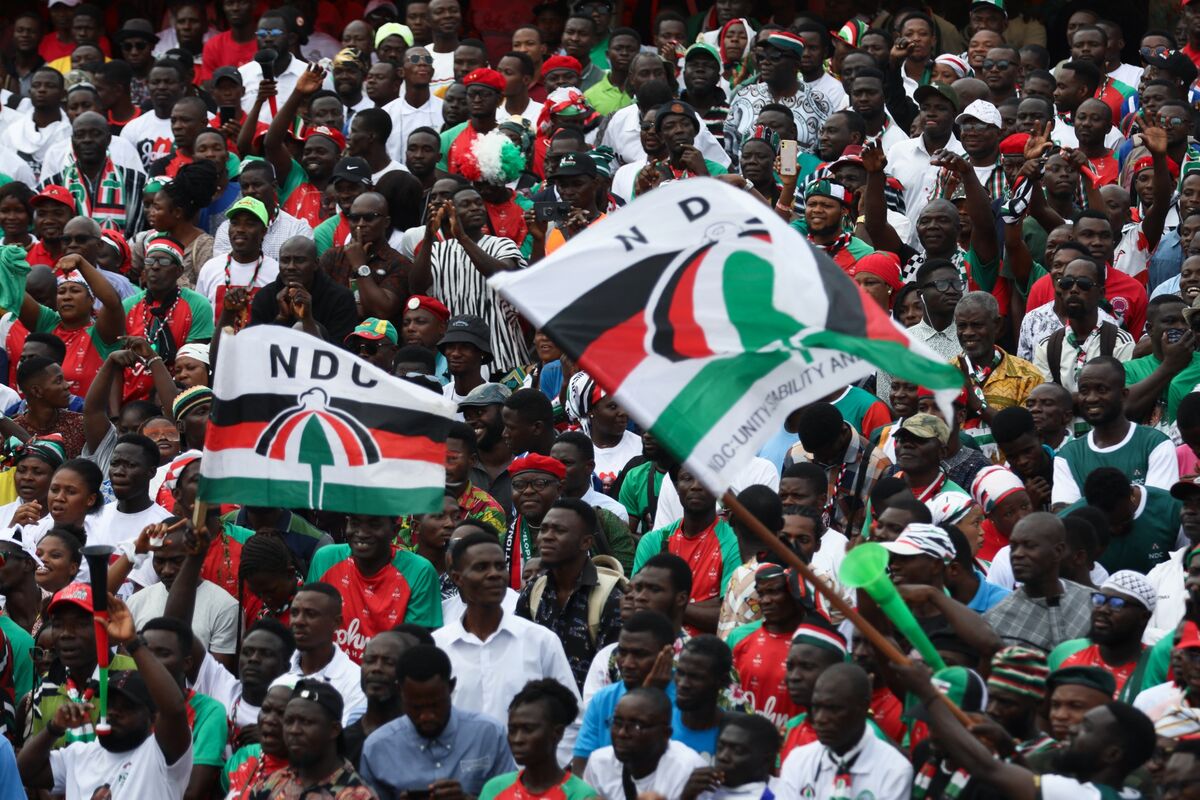
Ghana's ruling National Democratic Congress (NDC) has secured a super-majority in the 276-member parliament, now holding 184 seats after winning a rerun election in a disputed Accra constituency. This two-thirds control empowers the NDC to pass significant legislation, including potential constitutional amendments, signaling enhanced political stability and streamlined policy implementation for investors.
Ghana's ruling National Democratic Congress (NDC) has consolidated significant political power by securing a super-majority in the nation's parliament. The party now controls 184 of the 276 seats, surpassing the two-thirds threshold required for major legislative changes. This outcome, confirmed after a rerun in a contested Accra constituency, substantially strengthens the NDC's hand against the opposition New Patriotic Party, which holds just 88 seats. For investors, this development signals a period of reduced legislative gridlock and heightened political stability. The government's ability to pass its agenda without relying on opposition support could lead to more decisive and streamlined policy implementation, a key factor for those assessing sovereign risk and the business environment in this key West African emerging market.
AI-powered research, real-time alerts, and portfolio analytics for institutional investors.
Request DemoOverall Sentiment
neutral
Sentiment Score
0.00
