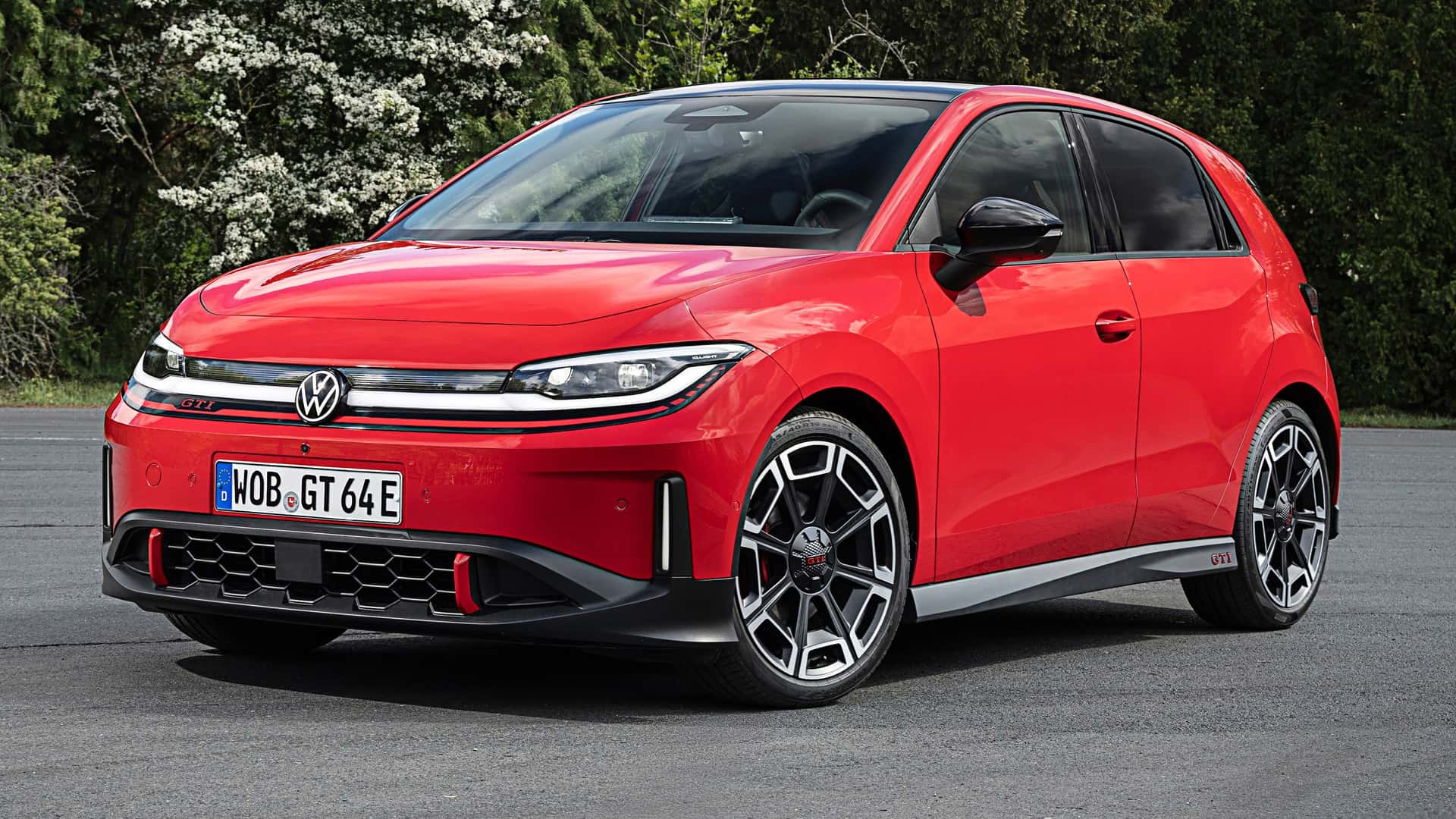
Volkswagen’s first electric GTI, the ID. Polo GTI, launches with 223 hp, 214 lb-ft of torque, a 6.8-second 0-62 mph time, and a starting price of just under €39,000 in Germany. The model emphasizes classic GTI design and driver-engagement cues, including an electronic limited-slip differential, fake engine sound, and forthcoming fake gears on the Clubsport version. It is positioned against rivals such as the Alpine A290 and Peugeot E-208 GTi, but its performance is not class-leading.
VW is signaling that the next phase of EV adoption in Europe is less about range bragging and more about emotional product design. That matters because the incremental buyer for small EVs is still value-sensitive and identity-driven; a credible “real GTI” is a way to defend pricing power in a segment where pure EV specs are converging and discounting risk is rising. The second-order effect is that legacy-brand equity can still command a premium if the car feels familiar enough to reduce the perceived switching cost from ICE to EV. The more interesting implication is competitive: VW is not trying to win the mini-hot-hatch horsepower war, it is trying to make sure the category is not surrendered to Alpine, Peugeot, and Chinese EV entrants with stronger performance headlines. If this positioning works, it lifts the entire small-EV mix by pulling buyers up from base trims and preserving gross margin, even if unit growth is modest. If it fails, VW risks spending on gimmick-heavy differentiation that does not translate into better take rates, while rivals with cleaner specs capture enthusiast attention. The contrarian read is that fake sound and fake gears are not a gimmick so much as an admission that the market still values tactility over objective EV performance in this niche. That is bullish for brands that can engineer perceived engagement cheaply, but it also highlights a ceiling: once the novelty fades, buyers may compare these cars on range, charging, and lease cost, where the segment remains only middling. The key catalyst is whether VW can convert launch buzz into order book strength over the next 1-2 quarters; if not, this becomes a design story rather than a volume story.
AI-powered research, real-time alerts, and portfolio analytics for institutional investors.
Request DemoOverall Sentiment
neutral
Sentiment Score
0.15
