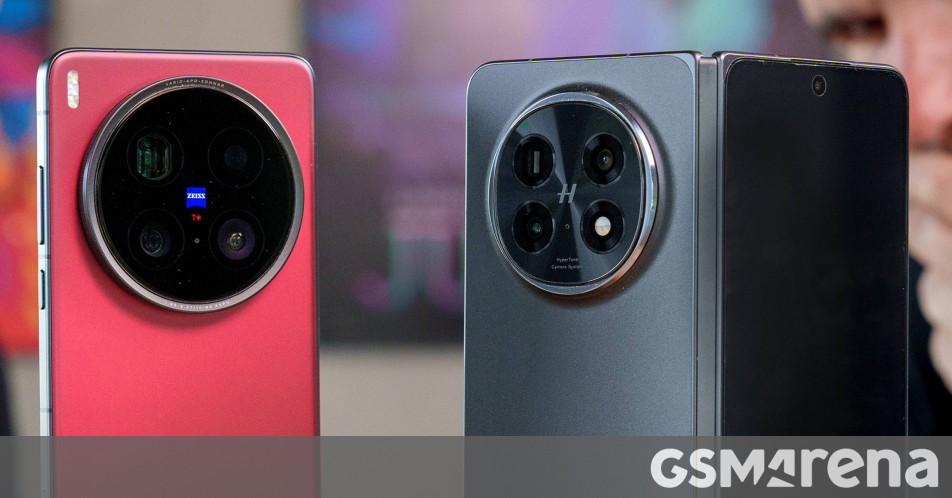
Counterpoint analysts forecast 2026 as the start of a sustainable expansion phase for foldable smartphones after a cyclical recovery, noting book-style foldables now account for 52% of foldable sales and are expected to reach 65% this year. Improved hardware and repositioning as productivity devices, plus an anticipated Apple foldable launch this fall and competing wider book-style devices from Samsung, Honor and Oppo, should accelerate adoption—with China sales rivalry between Huawei and Apple identified as the primary competitive battleground.
Market structure: Book-style foldables moving to ~65% of foldable sales in 2026 shifts value to OEMs that can deliver large, durable flexible OLEDs and tablet-grade UX. Direct winners: Apple (AAPL) if it launches on schedule, Samsung (premium book foldables) and tier-1 display suppliers; losers: low-margin clamshell-first OEMs and incumbents without wide-format apps support. Expect ASPs for premium foldables to be +$200–$400 vs standard flagships, supporting EBITDA expansion for winners but also creating a two-tier smartphone market where mid-market volumes remain pressured.
Risk assessment: Tail risks include an Apple launch delay/flop, major yield problems at foldable panel fabs, or Chinese policy actions favoring Huawei — any of which could erase 20–40% of anticipated upside in 3–6 months. Near-term (days–weeks) risk is event/timing (earnings/supply updates); short-term (3–6 months) depends on launch reception and carrier subsidies; long-term (12–36 months) hinges on app ecosystem and margin sustainability. Hidden dependencies: third-party app optimization, carrier financing, and component lead times (panel + hinge mechanics) are potential chokepoints that could compress margins or delay scale.
Trade implications: Event-driven long AAPL exposure around the fall 2026 launch is highest-conviction: it offers leverage to ASP and services upside; use concentrated but size-limited positions and option structures to limit downside. Broader plays: semiconductor equipment/display supply ETFs (e.g., SMH) and selective display-supplier longs to capture secular capex; consider pair trades (premium OEMs vs low-ASP OEMs) to isolate premiumization. Timeframe for trades is 3–12 months with re-evaluation on first 30/60/90-day sell-through metrics in China.
Contrarian angles: Consensus assumes Apple automatically wins market share — not guaranteed in China where Huawei remains strong; adoption may be much more concentrated among status buyers, limiting volumes to a sub-5% share of total smartphone shipments in year one. The market may underprice supply constraints that lift component suppliers but also temporarily depress OEM margins; historically (phablet and tablet rollouts) software/ecosystem alignment lagged hardware, suggesting patience and catalyst-based scaling of positions rather than all-in exposure.
AI-powered research, real-time alerts, and portfolio analytics for institutional investors.
Request DemoOverall Sentiment
moderately positive
Sentiment Score
0.45
Ticker Sentiment
