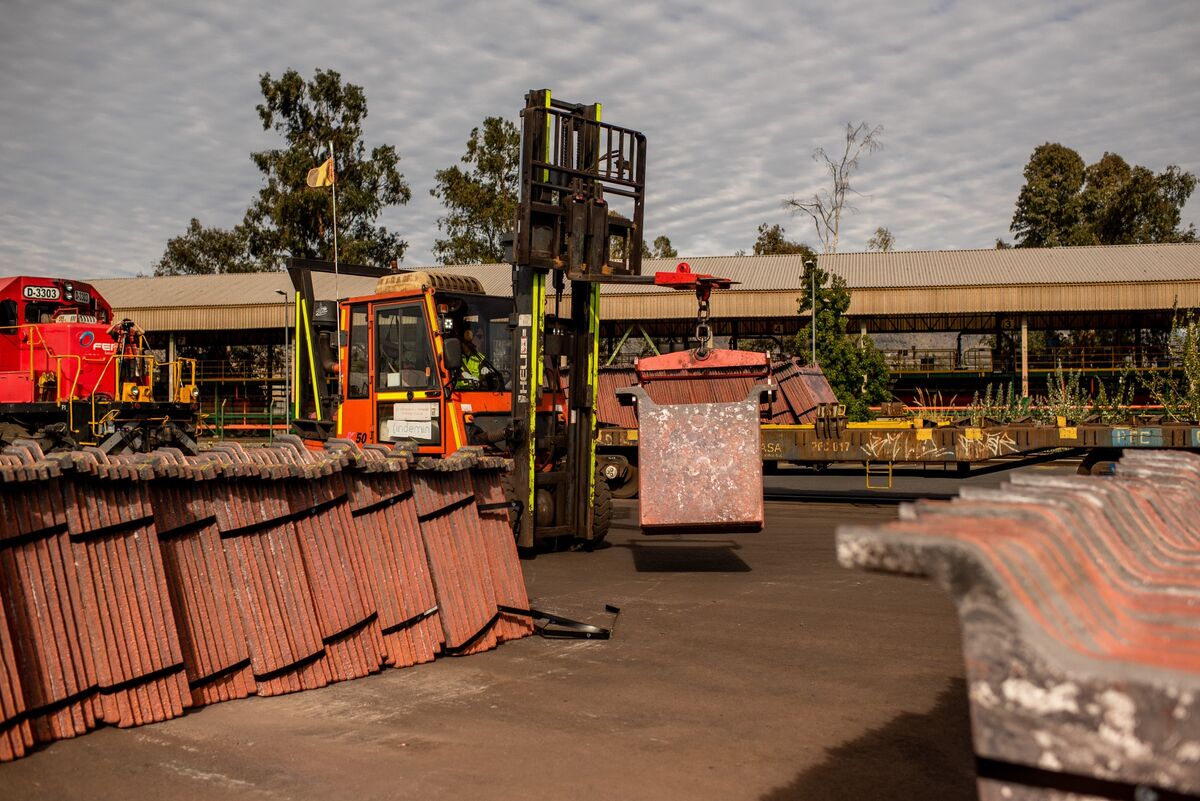
President Trump's unexpected announcement of a 50% tariff on copper imports, a rate significantly higher than previously anticipated, has sent shockwaves across the global copper industry. This move directly impacts Chile, the largest copper supplier to the U.S., which is now awaiting further details amidst concerns over potential disruptions to supply chains and market dynamics.
President Trump's unexpected announcement of a potential 50% tariff on copper imports introduces a significant shock to the global commodities market, reflected by the strongly negative sentiment score (-0.8) and high market impact assessment (0.8). This proposed rate is substantially higher than anticipated, creating considerable uncertainty for supply chains and pricing. The immediate focus is on Chile, the largest copper supplier to the U.S., which now faces a material threat to its export economy while it awaits concrete policy details. The market's reaction is directly observable in the negative sentiment (-0.8) for instruments like the United States Copper Index Fund (CPER), indicating that investors are already pricing in the risk of severe disruption to trade flows and a potential surge in costs for the industrial metal.
AI-powered research, real-time alerts, and portfolio analytics for institutional investors.
Request DemoOverall Sentiment
strongly negative
Sentiment Score
-0.80
Ticker Sentiment
