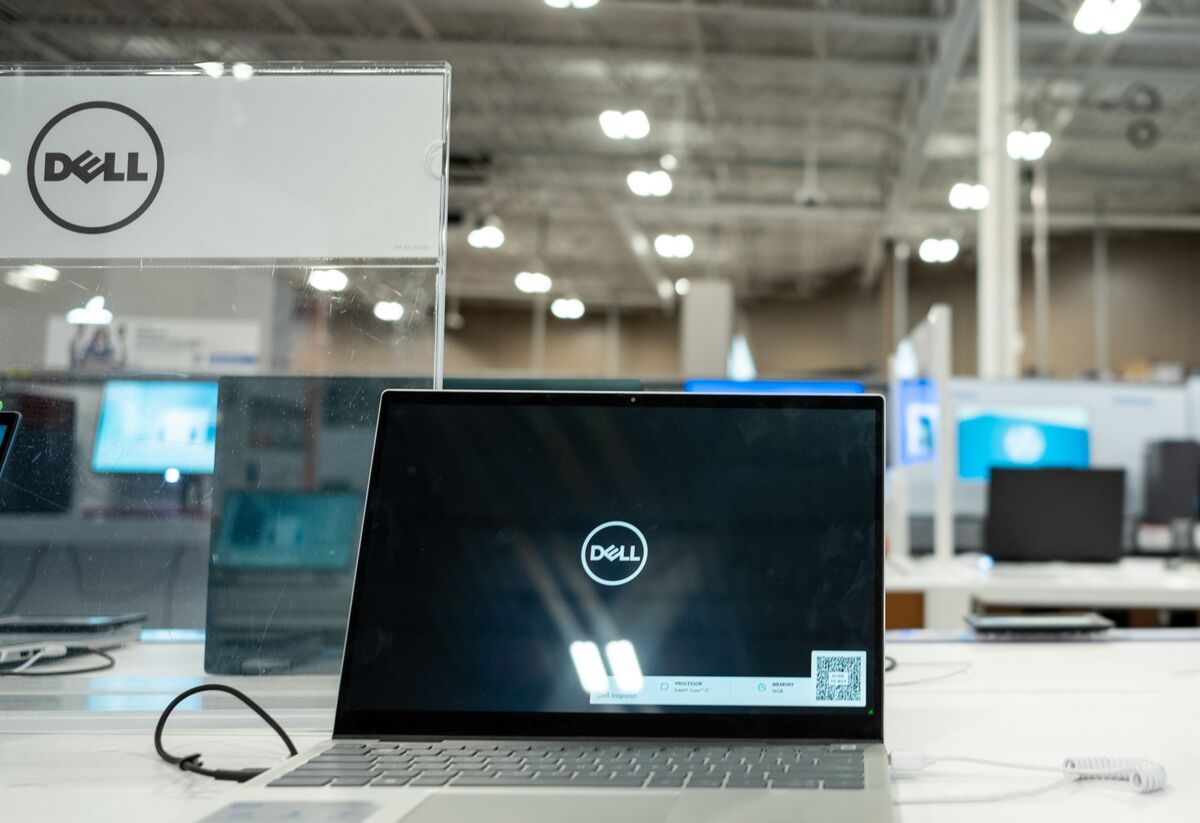
Major PC and IT vendors including Dell Technologies and HP warned of potential memory-chip shortages as surging demand from AI infrastructure ramps up. Consumer electronics makers such as Xiaomi signaled possible price increases and Lenovo has begun stockpiling memory, while Counterpoint Research forecasts memory-module prices could rise about 50% through Q2 next year. The squeeze could raise costs for OEMs and cloud/data-center operators, pressure margins or consumer prices, and materially benefit memory suppliers.
Market Structure: A sustained memory shortage shifts economic rents to DRAM/NAND suppliers (Micron MU, Samsung, SK Hynix) and to GPU makers (NVDA) that drive AI server demand, while OEMs with large PC/server exposure (DELL, HPQ, Xiaomi) face margin compression and potential revenue declines if they can’t pass on ~50% module price moves forecast through Q2 next year. Pricing power will be asymmetric: memory suppliers can push contract prices higher over 3–9 months because fab capacity additions lag by 12–24 months, tightening spot vs contract spreads. Cross-asset: expect KRW/TWD strength, higher commodity indices for memory, rising equity vol for OEMs and memory names, and modest widening of corporate spreads for high-leverage OEMs if margins erode.
Risk Assessment: Tail risks include a rapid demand collapse (AI project delays) creating an inventory glut and >30% DRAM price drop, or geopolitically driven export curbs that reroute demand and spike prices further; regulatory capital controls or sanctions are low-probability, high-impact. Timing: immediate (days–weeks) = guidance revisions and inventory stockpiling; short-term (weeks–6 months) = price realization and earnings beats for suppliers; long-term (12–24 months) = capex response that can flip the cycle. Hidden dependencies: OEM procurement lags, cloud-provider bulk contracting, and module spot vs contract pass-throughs are decisive catalysts.
Trade Implications: Favor memory suppliers and AI-infrastructure beneficiaries: establish tactical longs in MU and NVDA while trimming DELL/HPQ exposure. Use relative-value: long MU vs short DELL to capture margin divergence; prefer option-defined risk (call spreads on MU, put spreads on DELL/HPQ) to exploit heightened IV and limited capital outlay. Entry window: initiate within 2 weeks to capture the run-up expected through Q2 next year; trim at +30% and take profits at +50% or if DRAM spot falls >15% month-over-month.
Contrarian Angles: Consensus underestimates OEMs’ ability to pass costs to enterprise buyers—if they succeed, OEM pain may be shorter than priced, compressing short positions. Conversely, memory suppliers may be overvalued if capex accelerates — past DRAM cycles (2016–2018) show >200% upside followed by sharp crashes once fabs ramp in 12–18 months. Unintended consequence: persistent high prices could accelerate cloud optimization or alternative architectures (memory compression, software changes) that blunt long-term demand growth.
AI-powered research, real-time alerts, and portfolio analytics for institutional investors.
Request DemoOverall Sentiment
moderately negative
Sentiment Score
-0.45
Ticker Sentiment
