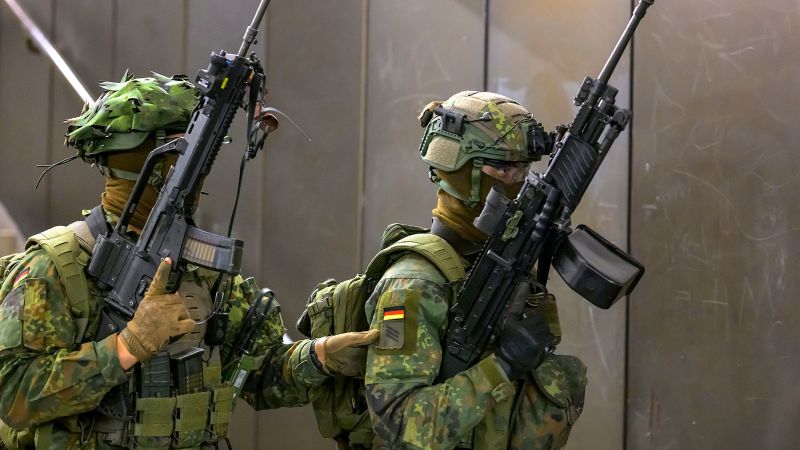
The German Defense Ministry confirmed that roughly 20,000 rounds of ammunition were stolen from a civilian carrier’s parked trailer between Nov. 24–25 and discovered missing on Nov. 28; the military is investigating with local police. The theft raises security and supply-chain concerns as Germany ramps up military capacity—a coalition bill proposes growing active forces to 260,000 and adding 200,000 reservists by 2035—and remains a major ammunition supplier to Ukraine. The incident underscores risks in defense logistics and contractor oversight at a time of increased domestic defense investment and expanded production capacity (Rheinmetall opened a large European ammunition plant in August).
Market structure: Immediate winners are ammunition and integrated defense manufacturers (e.g., Rheinmetall RHM.DE, Lockheed LMT, Northrop NOC) and specialist secure-logistics providers that can bid for government contracts; losers are small third‑party freight contractors and insurers that underprice security risk. Pricing power shifts modestly toward ammo producers as incremental demand from Germany’s staffing plan to 2035 (rise from ~180k to 260k soldiers +200k reservists) and sustained Ukraine support create multi-year volume tailwinds, tightening component markets (steel, propellant) by single-digit percent margins in the next 12–36 months.
Risk assessment: Tail risks include stolen rounds entering black markets or hostile hands (low‑probability, very high impact), regulatory clampdowns on transport raising compliance costs >5–10% for contractors, and political backlash limiting exports. Time horizons: immediate (days) reputational/contract repricing, short (weeks–months) procurement shifts and security contracts, long (years to 2035) structural demand for munitions; hidden dependencies include insurer coverage limits and subcontractor security chains that could force rapid restructuring.
Trade implications: Tactical buy signals for defense names—establish 2–3% positions in RHM.DE and 1–2% in LMT/NOC, target 12–25% upside over 6–12 months; consider 6‑ to 12‑month call spreads to limit premium outlay. Pair trade: long RHM.DE vs short Deutsche Post (DPW.DE) 0.5–1% size as logistics security liabilities reroute government business to verified suppliers. Rotate 3–7% of equity exposure from consumer discretionary/SME logistics into defense industrials over 1–3 months.
Contrarian angles: Consensus underestimates the positive revenue shock to munitions OEMs and overestimates permanent reputational damage to defense exports; historically (post‑2014) European defense producers saw 20–40% multi‑year rerating. Unintended consequence: stricter security regs may accelerate vertical consolidation—favor vertically integrated suppliers (RHM.DE, GD) over flat logistics contractors; monitor German legislative action within 30–60 days as the key catalyst.
AI-powered research, real-time alerts, and portfolio analytics for institutional investors.
Request DemoOverall Sentiment
moderately negative
Sentiment Score
-0.30
