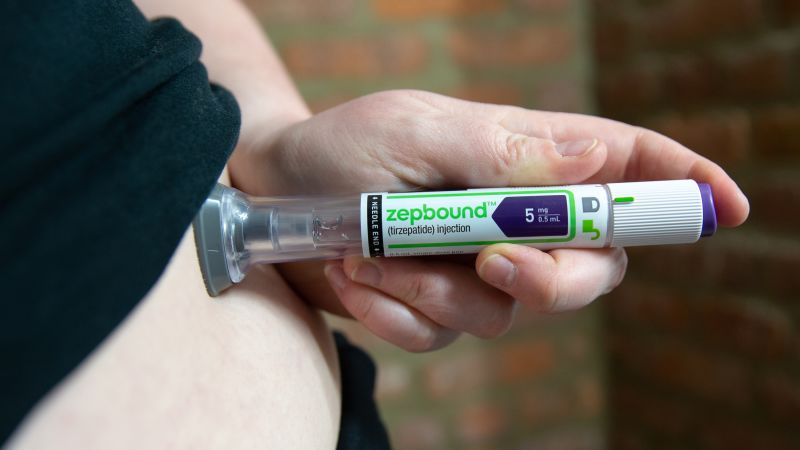
CVS Caremark, a major Pharmacy Benefit Manager, will discontinue coverage for Eli Lilly's GLP-1 drug Zepbound for weight management from its primary formulary starting July 1, 2025, impacting 25-30 million individuals, while maintaining coverage for Novo Nordisk's Wegovy. This strategic exclusion aims to leverage competition to drive down GLP-1 prices, yet it creates significant disruption for patients and providers who emphasize the clinical non-interchangeability of these therapies. The decision underscores the growing power of PBMs in shaping pharmaceutical market dynamics and drug access, prompting Eli Lilly to expand its direct-to-consumer self-pay program for Zepbound.
CVS Caremark's decision to exclude Eli Lilly's Zepbound from its primary formulary, which covers 25 to 30 million individuals, represents a significant escalation in the use of pharmacy benefit manager (PBM) leverage to control costs in the high-growth GLP-1 market. By making Novo Nordisk's Wegovy the exclusive covered weight-loss therapy, CVS is directly engineering price competition, a move that creates a substantial headwind for Eli Lilly (LLY) and a major competitive advantage for Novo Nordisk (NVO), as reflected in their respective negative (-0.6) and positive (0.6) sentiment scores. Previously, uptake for both drugs was roughly equivalent on this formulary, suggesting a material market share shift is imminent post-July 2025. Eli Lilly's strategic counter is to expand its direct-to-consumer platform, LillyDirect, signaling a potential long-term strategy to partially bypass the PBM-controlled reimbursement channel for patients able to self-pay. The event underscores the immense power of PBMs in shaping market access, where formulary placement can supersede clinical differentiation, as providers in the article note Zepbound's distinct efficacy and side-effect profile.
AI-powered research, real-time alerts, and portfolio analytics for institutional investors.
Overall Sentiment
strongly negative
Sentiment Score
-0.70
Ticker Sentiment
