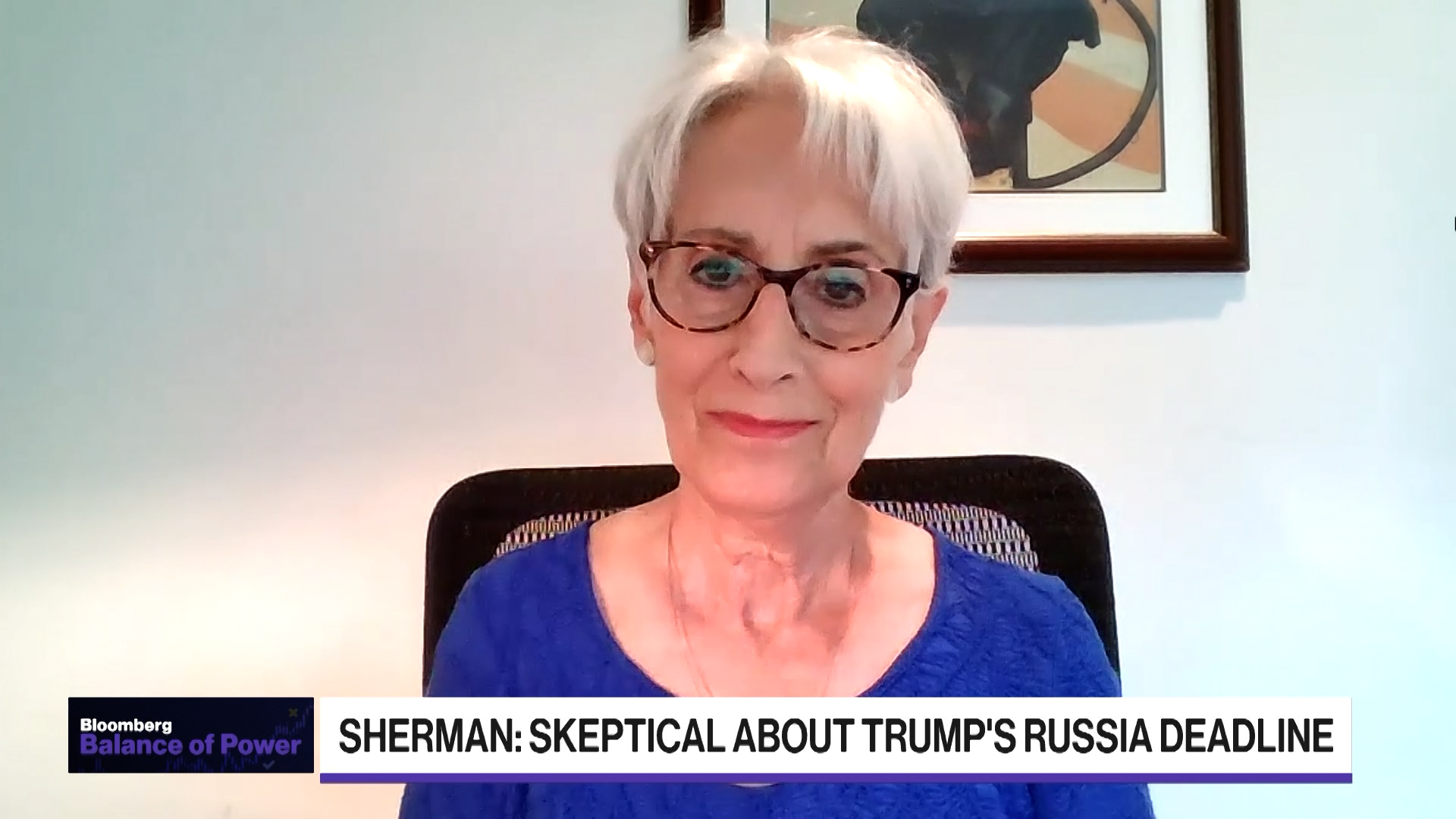
President Trump has announced a trade deal with the EU, under which the EU reportedly agreed to 15% tariffs, ahead of a looming tariff deadline. While Trump is taking a 'victory lap' on the agreement, initial reports, including commentary from Greta Peisch, indicate a lack of specific detail in the deal, suggesting potential for further clarification or negotiation.
A trade agreement has been announced between the United States and the European Union, reportedly establishing a 15% tariff level and averting an immediate escalation ahead of a looming deadline. The announcement has been framed as a political victory by the Trump administration, contributing to a moderately positive market sentiment. However, this optimism is significantly tempered by credible commentary, such as from Greta Peisch, highlighting that the deal currently lacks substantive detail. This ambiguity is the critical factor for investors, as the scope, specific goods covered, and implementation timeline of the 15% tariffs remain undefined. The market's moderate impact score of 0.6 reflects this dichotomy: relief that a headline deal has been reached, but caution due to the absence of specifics which are required to assess the true economic impact on transatlantic trade flows and corporate supply chains. The political context suggests the announcement may be aimed at generating positive sentiment, with the final terms subject to further, potentially difficult, negotiations.
AI-powered research, real-time alerts, and portfolio analytics for institutional investors.
Request DemoOverall Sentiment
moderately positive
Sentiment Score
0.50
