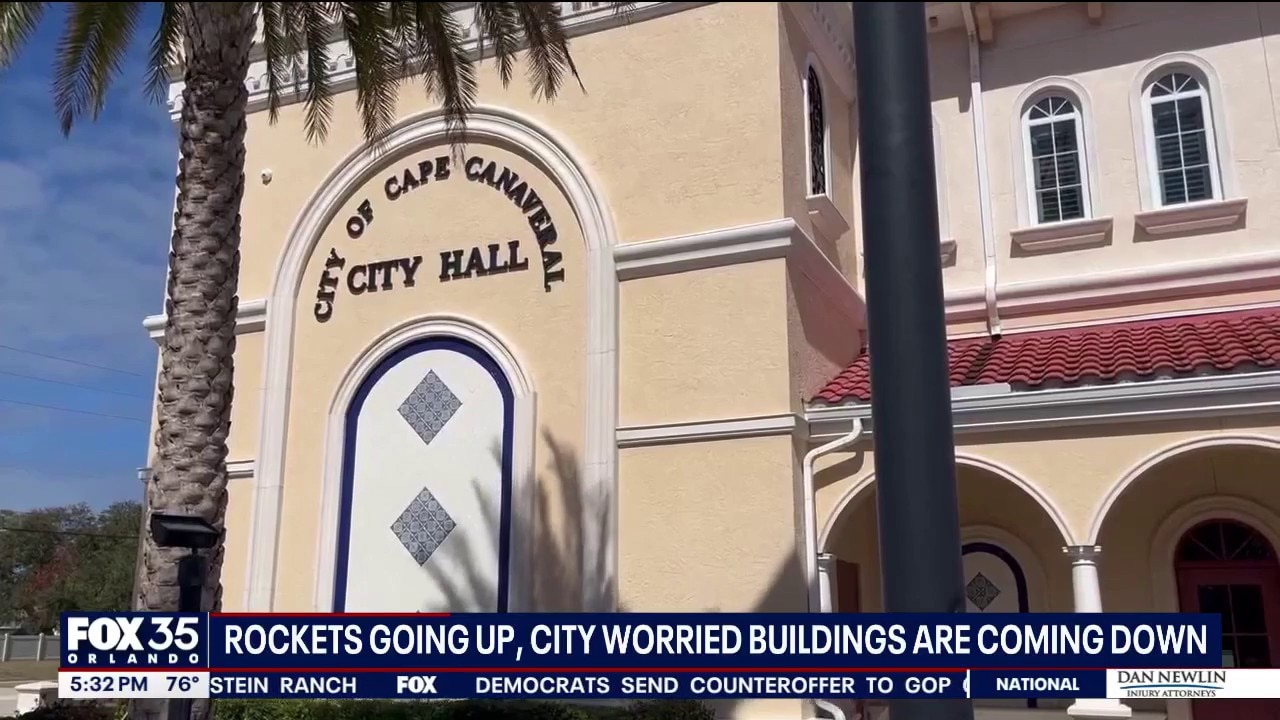
Cape Canaveral city officials are proposing an emergency "Launch Fund" and pursuing state and federal grants to repair city infrastructure and residences after residents reported foundation and vibration damage from an uptick in rocket launches. City Manager Keith Touchberry highlighted concerns about above- and below-ground infrastructure as launch frequency approaches record highs and ahead of potential regular Starship operations, prompting a city council discussion scheduled Feb. 17. The development signals local fiscal exposure and potential municipal spending or grant-seeking activity, which could create contingent liability for the city and inform nearby real-estate risk assessments, but it does not yet present a material market-moving event.
Market structure: Local infrastructure winners are contractors, materials suppliers and municipal bond underwriters — expect 6–18 months of incremental repair work that can lift regional contractor backlog by an estimated 5–10% and push aggregate/material prices up 3–8% locally. Losers are uninsured coastal homeowners, small regional insurers and coastal speculative residential landlords; expect localized insurance loss-ratio pressure of +100–300 bps if claims materialize. Municipalities will likely increase short-term issuance, pressuring spreads by 25–75 bps versus Treasuries in the next 6–24 months.
Risk assessment: Tail risks include a high-profile structural failure or federal grounding of commercial launches (low probability, high impact) that could trigger multi-state litigation and a temporary freeze in launches for 3–12 months, hitting launch-adjacent economic activity. Immediate timelines: council/grant moves in days–weeks; claims/insurance adjustments in weeks–months; muni issuance and contractor backlog realization in 6–24 months. Hidden dependencies: FEMA/state grant politics, local labor/aggregate availability, and SpaceX scheduling decisions that could accelerate or delay spending.
Trade implications: Favor cyclical construction/materials and engineering services ahead of municipal funding flow while hedging muni duration and insurers with Florida exposure. Use concentrated, time-boxed positions (3–12 month horizon) and volatility-aware option structures to limit capital at risk; expect to re-evaluate at 90-day legal/regulatory catalysts. Cross-asset: expect modest widening in muni spreads (25–75 bps), slight lift to industrial commodities (cement/steel +2–6%) and transient FX/treasury moves as safe-haven bids appear on litigation shocks.
Contrarian angles: The market may underprice the upside for mid-cap contractors — consensus assumes slow public funding; politically, visible damages tend to unlock state/federal grants within 6–12 months, creating front-loaded demand. Conversely, regulation fears could be overblown: even with stricter launch rules, repair/mitigation spending still benefits local contractors. Watch for mispricings where contractor equity trades down >10% on headline risk but backlog visibility is intact.
AI-powered research, real-time alerts, and portfolio analytics for institutional investors.
Request DemoOverall Sentiment
mildly negative
Sentiment Score
-0.25
