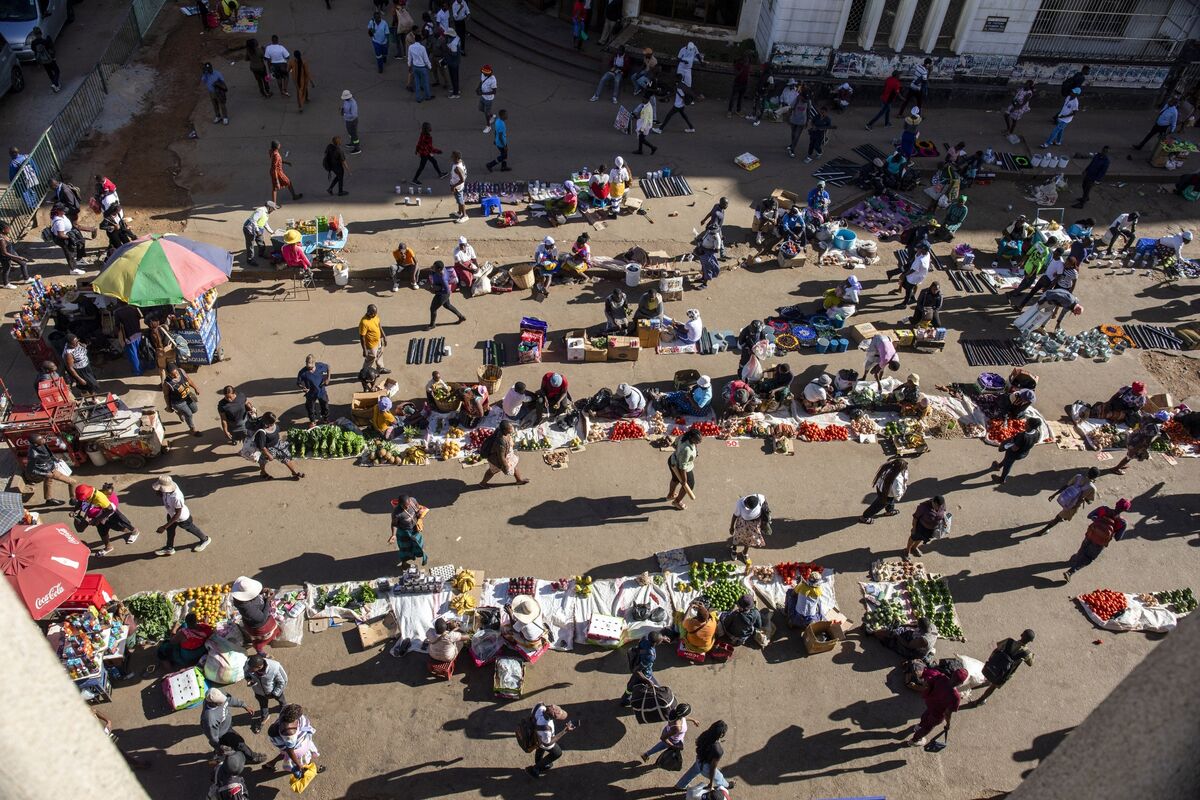
Zimbabwe's inaugural economic census reveals that over 76% of the nation's economic activity takes place in the informal sector, significantly curtailing government tax revenue. According to the Zimbabwe National Statistics Agency, this extensive informalization, while a major source of livelihoods, contributes minimally to state coffers due to widespread tax non-compliance. This finding underscores a critical fiscal challenge for Zimbabwe, impacting its ability to fund public services and formal economic development.
Zimbabwe's inaugural economic census provides a stark quantification of a major structural impediment to its fiscal stability, revealing that over 76% of its economic activity occurs within the informal sector. According to the Zimbabwe National Statistics Agency, this dynamic creates a critical paradox where the primary source of livelihoods for the population contributes minimally to government revenue due to non-compliance with the formal tax system. This finding confirms a severely constrained tax base, which directly impacts the government's capacity to fund public services and infrastructure, thereby elevating sovereign risk. The moderately negative sentiment is therefore warranted, as the data underscores the profound difficulty in implementing effective fiscal policy and highlights a significant barrier to sustainable, formal economic development.
AI-powered research, real-time alerts, and portfolio analytics for institutional investors.
Request DemoOverall Sentiment
moderately negative
Sentiment Score
-0.50
