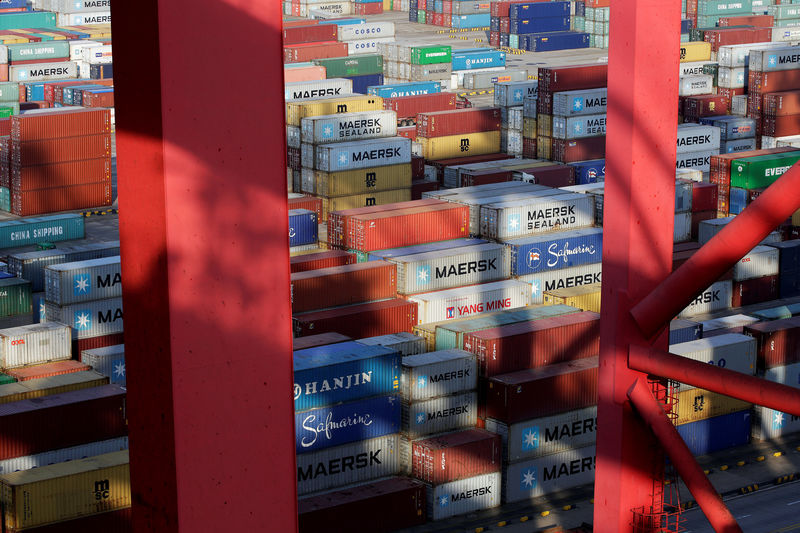
U.S. gross domestic product (GDP) for Q1 contracted by an annualized 0.5% in its final revision, a deeper decline than the previously reported 0.2% and the first contraction since 2022. This downturn was primarily attributed to a flood of imports, as businesses front-loaded orders to preempt potential U.S. tariffs, and reduced government spending, though partially offset by elevated investment and consumer expenditures. The data underscores potential economic headwinds stemming from trade policy.
The final revision of U.S. first-quarter gross domestic product revealed an annualized contraction of 0.5%, a more significant decline than the 0.2% previously estimated and a sharp reversal from the 2.4% growth in the preceding quarter. This marks the first economic contraction recorded since 2022. The primary driver for the negative figure was a substantial increase in imports, which the Bureau of Economic Analysis (BEA) notes are a subtraction in GDP calculations. The article attributes this surge to businesses accelerating orders to preempt the impact of anticipated U.S. tariffs, suggesting the headline number is heavily distorted by forward-looking trade policy expectations rather than a collapse in domestic activity. Decreased government spending also weighed on growth. While elevated investment and consumer spending provided a partial offset, the final downward revision was specifically due to weaker-than-anticipated figures for consumer expenditures and exports, pointing to potential underlying softness beyond the trade-related statistical drag.
AI-powered research, real-time alerts, and portfolio analytics for institutional investors.
Request DemoOverall Sentiment
moderately negative
Sentiment Score
-0.50
Ticker Sentiment
