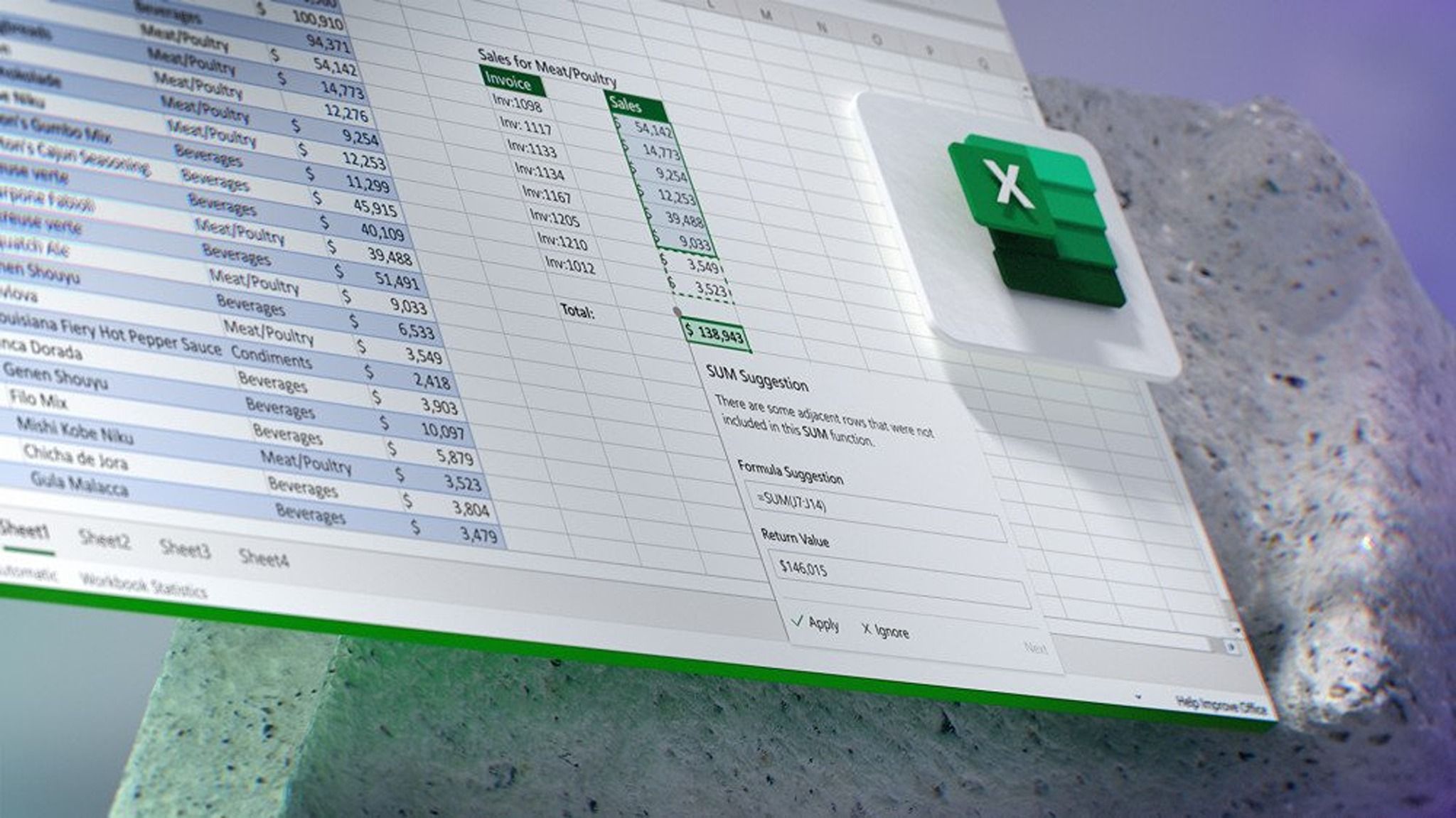
Microsoft's floating Copilot button in Excel is drawing user backlash because it cannot be hidden and sits over working content, disrupting spreadsheets and even blocking some interactions. Users are requesting a toggle to remove or revert the button to the ribbon, while Microsoft has not yet responded. The issue reflects ongoing friction around Microsoft's forced AI integration, but it is unlikely to have material near-term market impact.
This is not a near-term revenue issue for Microsoft; it is a product-trust issue that can leak into enterprise renewal dynamics over months, not days. The risk is that Copilot becomes associated with workflow friction rather than productivity, which can slow seat expansion, reduce attach rates in the mid-market, and weaken the pricing power behind the AI monetization story. In a software franchise, small UX regressions are dangerous because they compound through admin policy, user sentiment, and internal IT pushback.
The second-order winner is not a direct rival with better AI, but any “good enough” alternative that markets less intrusive UX and lower total cost of ownership. That favors a longer tail of productivity suites, browser-based spreadsheet tools, and AI assistants that sit outside the worksheet instead of on top of it. If enterprises start hearing from power users and analysts that Copilot is being perceived as coercive, procurement teams may push harder to disable default AI surfaces, which would delay monetization more broadly across Microsoft 365.
The real catalyst window is the next 1-2 product update cycles: either Microsoft adds granular control and defuses the backlash, or it reinforces the narrative that AI is being forced into the workflow. The bull case is that this is a reversible UI misstep, not a demand problem; the bear case is that it becomes an emblem of broader AI fatigue, especially in regulated and high-density spreadsheet environments where screen real estate is revenue-critical. If feedback escalates, expect the market to haircut near-term enthusiasm around Copilot attach rates before it touches core Office usage.
Contrarian view: the selloff risk is probably overdone if investors are already assuming this changes Office usage materially. Most users will not churn over a button, but enterprises absolutely will create friction in rollout, so the impact is more on adoption velocity than on base retention. That means the downside is likely in sentiment and multiple expansion for the AI narrative, not in immediate earnings, which makes this more tradable as an event-driven halo-risk than a fundamental Microsoft short.
AI-powered research, real-time alerts, and portfolio analytics for institutional investors.
Request DemoOverall Sentiment
mildly negative
Sentiment Score
-0.25
Ticker Sentiment
