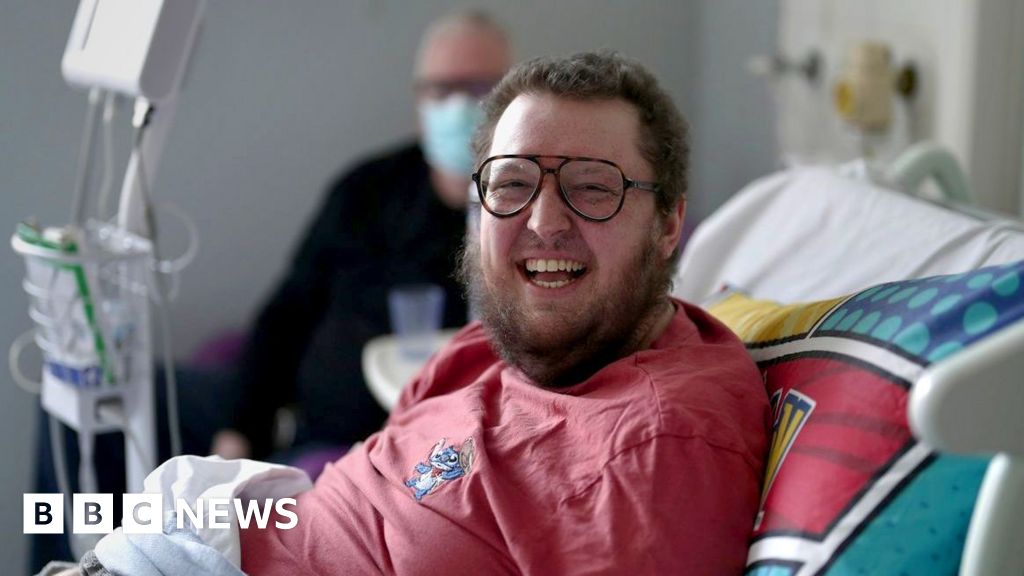
NHS England has begun funding an Autolus-manufactured CAR-T therapy for adults with relapsed or refractory B-cell acute lymphoblastic leukaemia, with the first patient treated at Manchester Royal Infirmary following two infusions (100m and 300m CAR-T cells). Clinical-trial data cited include a 77% remission rate, 50% showing no signs of cancer at 3.5 years and an average survival gain of 15.6 months; list price is £372,000 per infusion subject to a confidential NHS discount. The rollout across several English centres (Cambridge, Newcastle, Sheffield, Plymouth, London) is expected to initially cover ~50 patients a year, with clinicians predicting wider adoption could replace stem-cell transplants in future—an outcome that could incrementally boost Autolus’s addressable market while leaving near-term revenue visibility constrained by confidential pricing and limited patient volumes.
Market structure: NHS adoption of Autolus’ CAR‑T (Autolus/AUTL) creates a narrow but high‑visibility revenue stream (NHS estimate ~50 UK patients/year at list £372k/infusion before discount). Winners: cell‑therapy developers, large‑cap CAR‑T incumbents (GILD, NVS) with commercial manufacturing scale, and specialty diagnostics/logistics providers; losers: certain autologous transplant volumes and niche chemo relapse franchises facing demand erosion. Pricing power is constrained by NHS negotiated discounts and small current volumes; upside requires first‑line adoption to scale TAM into thousands/year over 3–7 years.
Risk assessment: Tail risks include severe safety/regulatory setbacks (CRS/neurologic events), manufacturing failures or batch contamination, and payer pushback that could cut effective price >30%. Immediate (days) impact is sentiment‑driven; short‑term (weeks–months) centers and supply agreements will determine revenue; long‑term (2–5 years) hinge on durable efficacy and cost per QALY leading to broader reimbursement. Hidden dependencies: cold‑chain capacity, single‑site lab bottlenecks, and cross‑border patient flows (Scotland not yet approved) that can cap growth.
Trade implications: Tactical long‑small‑cap exposure to AUTL as asymmetric bet (small allocation), balanced with defensive longs in GILD/NVS for manufacturing revenue and option‑defined risk. Use 6–12 month call spreads on AUTL to express upside while funding premium; implement dollar‑neutral pair trades (long AUTL vs short XBI small‑cap biotech ETF) to hedge beta. Rotate 1–3% portfolio weight from general growth into Healthcare/IBB over 1–3 months and trim on 30–50% moves or after key UK reimbursement readouts.
Contrarian angles: Consensus may overestimate near‑term revenue—50 patients/year is negligible vs list price—so near‑term multiples could be inflated for Autolus; conversely, underappreciated is pathway to first‑line use that multiplies TAM 10x–50x if 3–5 year durability holds (historical parallel: Kymriah/Yescarta slow early uptake then rapid expansion). Unintended consequences include concentrated manufacturing risk and price controls that cap margins; a single contamination event could halve short‑term revenue and trigger sector derating.
AI-powered research, real-time alerts, and portfolio analytics for institutional investors.
Request DemoOverall Sentiment
moderately positive
Sentiment Score
0.45
