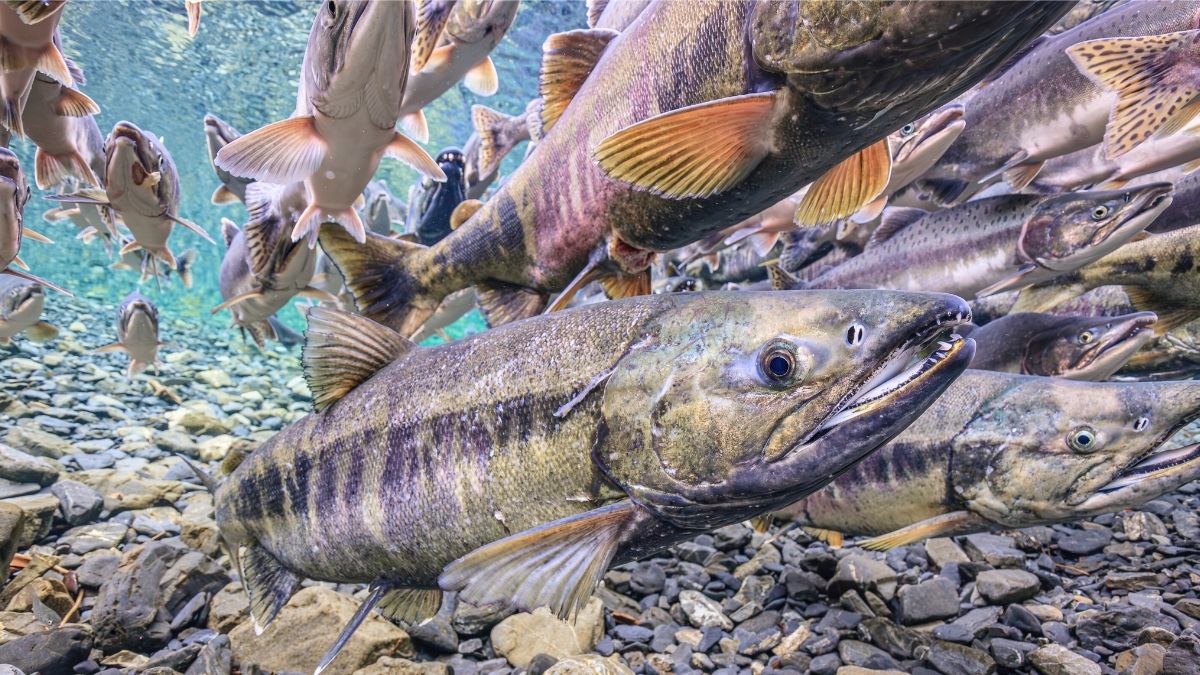
81% decline since 1970: a UN/CMS assessment presented at COP15 warns migratory freshwater fish populations are in freefall, identifying nearly 350 migratory species that could benefit from greater protection. The report cites habitat destruction, dams, overfishing and pollution as primary drivers, names priority basins (Amazon, La Plata‑Parana, Danube, Mekong, Ganges‑Brahmaputra, Nile), and notes some species are extinct or reliant on captive breeding, underscoring the need for cross‑border cooperation at the March 23–29 meeting.
Legacy hydropower owners and operators face an unpriced regulatory and remediation bill that can show up as both higher near-term O&M and multi-year capital programs to retrofit fish passage or modify flow regimes. Model a 20–40% increase in per-site capex for older run-of-river and low-head dams over a 3–5 year window driven by engineering works, monitoring tech and permitting delays; that flow-through will compress FCF and raise leverage multiples absent tariff pass-through.
The immediate beneficiaries are engineering and environmental services, water-tech providers (sensors, pumps, fish-friendly turbines), and scalable aquaculture producers who can arbitrage higher wild-fish scarcity signals with controlled production. Expect a multi-year procurement cycle: bid pipelines open within 6–18 months as governments tender retrofit projects, creating durable revenue streams for mid-cap contractors and industrial suppliers; conversely, utilities with concentrated hydro footprints will see valuation asymmetry versus diversified generators and storage players.
Key catalysts that will move markets are (1) transboundary agreements that enable co-financed projects, (2) green/biodiversity bond frameworks unlocking concessional capital, and (3) regulatory listings that broaden liability for migratory connectivity — timing clustered over the next 3–24 months. The main reversal risk is rapid scaling of low-cost technical fixes (modular fish passes, selective withdrawal systems) or large concessional funds that socialize costs away from private owners, which would materially cap the downside for hydro incumbents.
AI-powered research, real-time alerts, and portfolio analytics for institutional investors.
Overall Sentiment
strongly negative
Sentiment Score
-0.70
