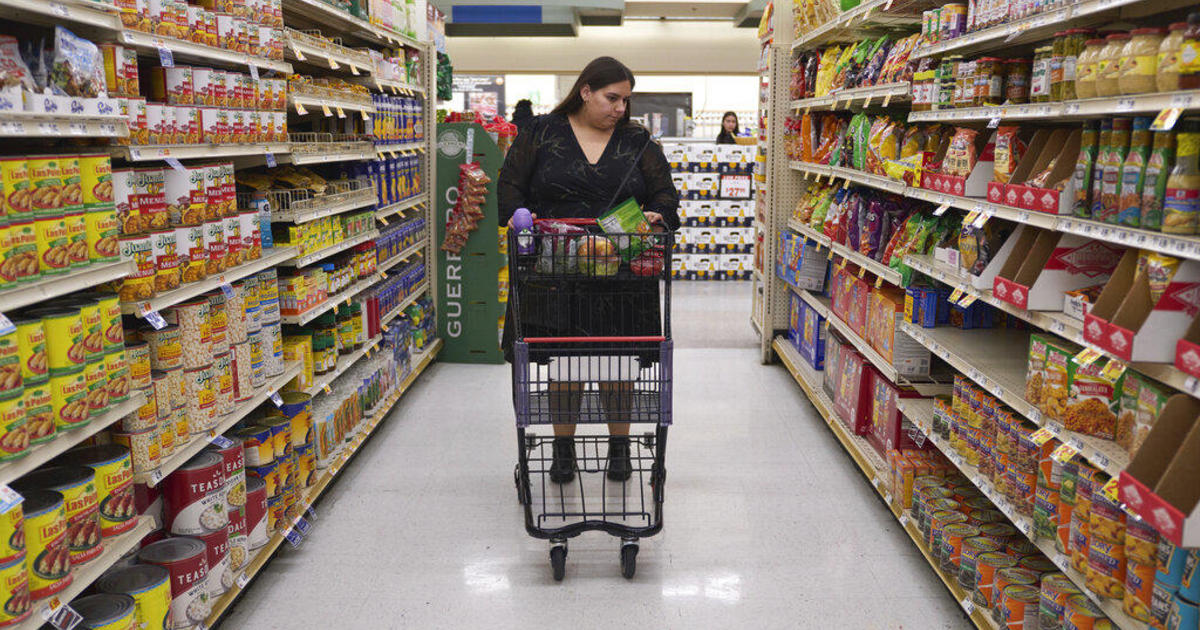
The ongoing U.S. government shutdown is set to halt approximately $8 billion in monthly Supplemental Nutrition Assistance Program (SNAP) benefits for 42 million Americans beginning November 1, as the USDA has declared insufficient funds and an inability to use contingency reserves. This cessation will force millions of vulnerable households to confront food insecurity and difficult financial choices, placing an unmanageable burden on charitable food banks. The disruption also carries broader economic implications, as the loss of these benefits, which typically generate $1.60 in local economic activity for every dollar spent, will negatively affect grocers and other local businesses.
The ongoing U.S. government shutdown is set to abruptly halt approximately $8 billion in monthly Supplemental Nutrition Assistance Program (SNAP) benefits for 42 million Americans starting November 1. The USDA has confirmed insufficient funding and an inability to utilize contingency reserves, directly impacting one in eight Americans and marking the second-longest funding lapse in U.S. history. This cessation creates immediate and severe financial strain for vulnerable households, with a reported "extremely negative" sentiment among recipients.
This disruption will force recipients, two-thirds of whom are children, seniors, or people with disabilities, to make difficult financial choices, potentially delaying essential bill payments. Charitable food banks, already strained by inflation and prior funding cuts, are unprepared to absorb the projected $8 billion monthly shortfall, with experts stating they lack the resources to replace these food dollars. The "pessimistic" tone reflects the unmanageable burden placed on the charitable food system.
Beyond direct recipients, the halt carries significant broader economic implications, particularly for the retail sector. Each dollar in SNAP benefits generates an estimated $1.60 in local economic activity, implying a potential $12.8 billion reduction in monthly economic stimulus. This loss will negatively affect grocers, small businesses, and rural retailers, impacting consumer demand and potentially exacerbating inflationary pressures on basic goods.
AI-powered research, real-time alerts, and portfolio analytics for institutional investors.
Request DemoOverall Sentiment
extremely negative
Sentiment Score
-0.85
