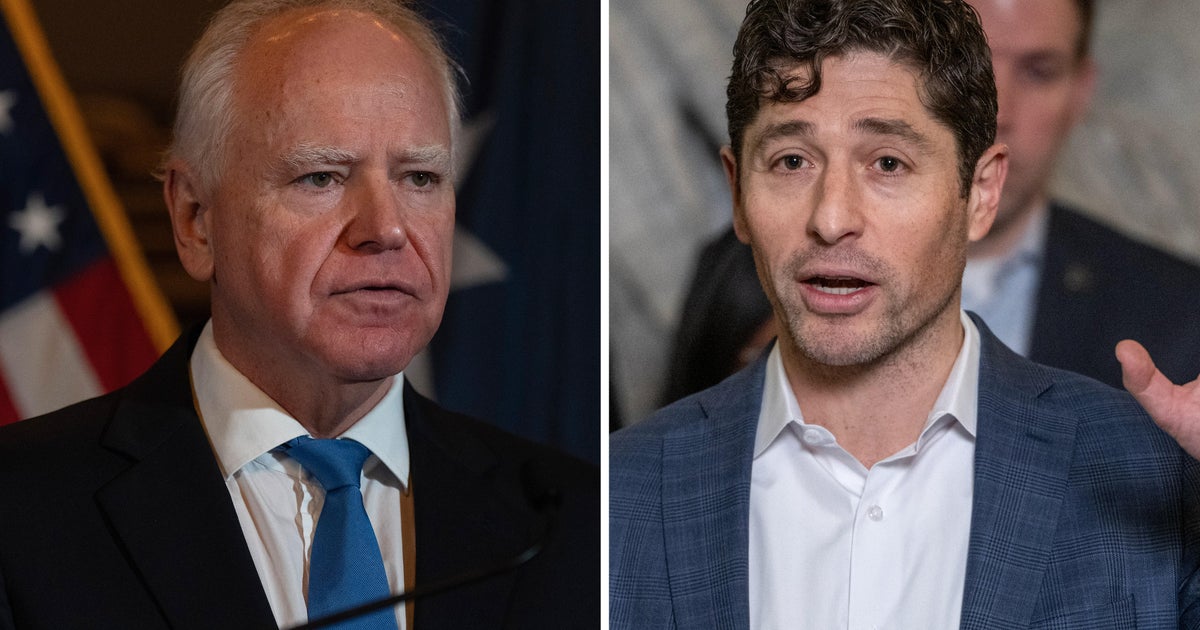
The Justice Department is investigating Minnesota Governor Tim Walz and Minneapolis Mayor Jacob Frey for an alleged conspiracy to impede federal immigration agents under 18 U.S.C. § 372, following public statements about the deployment. The inquiry follows a DHS deployment of nearly 3,000 ICE and Border Patrol officers — described as the largest operation in DHS history — and unrest after the killing of Renee Good by an ICE officer; the probe heightens political and legal risk and may further escalate federal-local tensions in the Twin Cities.
Market structure: Direct beneficiaries are federal contractors that supply detention, surveillance and data-integration services (notably GEO Group/CXW and Palantir/PLTR), as a 3,000‑agent deployment creates near-term incremental demand for beds, logistics and analytics. Local service sectors (Minneapolis hospitality, small retailers) and short‑dated muni credit tied to Hennepin County face downside from protests and temporary business disruptions; expect localized revenue declines of 5–15% in worst streets-affected corridors over days–weeks.
Risk assessment: Tail risks include escalation to prolonged civil unrest, federal injunctions or criminal indictments of state actors that could freeze DHS operations or cut funding — low probability but high impact for contractors and muni credit. Time horizons: immediate (days) for volatility in local equities and consumer activity, short-term (weeks–3 months) for contract awards/adjustments, and longer-term (6–18 months) for federal budget and procurement shifts; hidden dependencies include congressional appropriations and DHS contracting cycles which can reverse gains quickly.
Trade implications: Tactical alpha favors small, targeted exposure to contractors (GEO/CXW, PLTR) sized 1–2% of portfolio with defined stops and options overlays; avoid broad defense longs. Hedge muni/region risk by trimming Minneapolis/Hennepin muni exposure and prepare to buy into spread dislocations >15bp with a 90‑day mean‑reversion horizon. Use short‑dated options to express conviction: 3–6 month call spreads on PLTR and 30–60 day puts on regional consumer names if unrest persists beyond 7 days.
Contrarian angle: Markets may overstate sustained upside for detention contractors — funding and reputational risk can cap upside, making volatility-rich option structures preferable to outright longs. Conversely, muni selloffs are often overdone in localized political events; a disciplined buy-on-widen (spread >15bp) strategy into short-dated Minnesota muni paper has asymmetric upside given historical quick mean reversion.
AI-powered research, real-time alerts, and portfolio analytics for institutional investors.
Request DemoOverall Sentiment
moderately negative
Sentiment Score
-0.30
