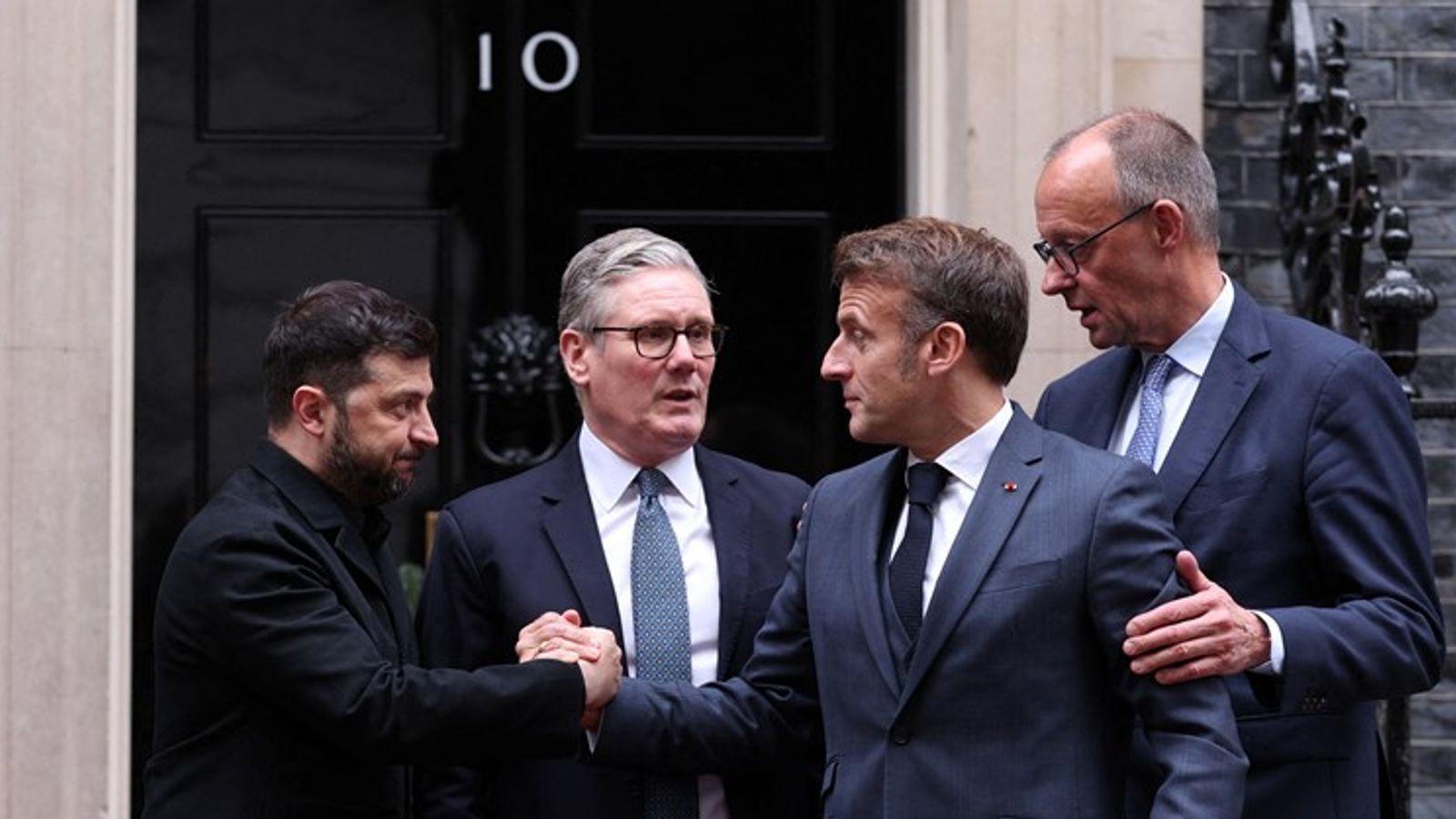
EU leaders meet in Brussels to decide whether to release €210bn of frozen Russian assets (held largely in Euroclear) to fund Ukraine as Kyiv faces potential bankruptcy in early 2026 without further aid. Belgium has blocked the transfer over legal-risk concerns and is seeking guarantees and an emergency law to insulate sanctions indefinitely; the move is also driven by waning US financial support under President Trump and disagreement over his proposal to route funds into U.S. investment vehicles. Failure to agree would damage EU credibility in peace talks and risk further geopolitical and financial fallout, while approval would materially reduce Ukraine's dependence on the U.S. and reshape sanction enforcement risk for Europe.
Market structure: Unlocking €210bn of frozen Russian assets is a demand shock for European defense and logistics suppliers and a simultaneous liability shock for Belgian/Euroclear-linked institutions. Winners: defense primes with EU offset pipelines (RTX, LMT, RHM.DE, AIR.PA, HO.PA) and commodity/energy suppliers who fill embargo-induced shortages; losers: Belgian clearing counterparties, select Eurozone banks (KBC.BR, BNPP.PA indirectly) and sovereigns facing litigation risk. The mechanics: immediate procurement needs lift orderbooks and pricing power for munitions/aircraft over 6–24 months, tightening supply of specialized components and spiking input prices for copper, steel and energetics.
Risk assessment: Tail scenarios include (A) legal/retaliatory action by Russia targeting Belgian assets or energy flows, (B) EU political fracture (Hungary veto) eroding funding — each could widen EUR sovereign CDS by 50–200bps and push oil +20–40% in 30 days. Time horizons: days (FX/vol spikes), weeks–months (credit spreads and weapons procurement contracts priced), quarters–years (permanent re-shoring of reserves; sustained defense capex +10–30% vs baseline). Hidden dependencies: Euroclear operational risk, insurance/settlement counterparty exposure and backward litigation risk that could freeze flows for months. Catalysts: today's EU vote, US executive stance under Trump, any Russian kinetic/energy retaliation.
Trade implications: Expect defense equities to outperform broad EU indices by ~15–30% over 6–18 months if funds are released; oil and gas are asymmetric hedges (20–40% upside on retaliation). FX: EUR downside of 3–7% is plausible on a failed vote; buy USD/EUR protection for 1–3 month horizons. Credit: Ukrainian sovereign CDS should tighten if funding confirmed; peripheral CDS (Belgium, small Euroclear-linked entities) should widen on legal pushback.
Contrarian angles: Consensus underestimates legal timelines — even a “release” could be litigated for 6–18 months, keeping operational paralysis and vol elevated; markets may be overdiscounting a quick defense spend monetization and underdiscounting capital flight from Euroclear-linked securities. Historical parallel: 2014 sanctions amplified defense procurement but also created long legal tail risk — expect persistent risk premia on Euro-denominated settlement infrastructure. Unintended consequences: precedent of asset seizures could accelerate global reserve diversification away from Euroclear, a structural negative for EU wholesale financial services over years.
AI-powered research, real-time alerts, and portfolio analytics for institutional investors.
Request DemoOverall Sentiment
moderately negative
Sentiment Score
-0.45
