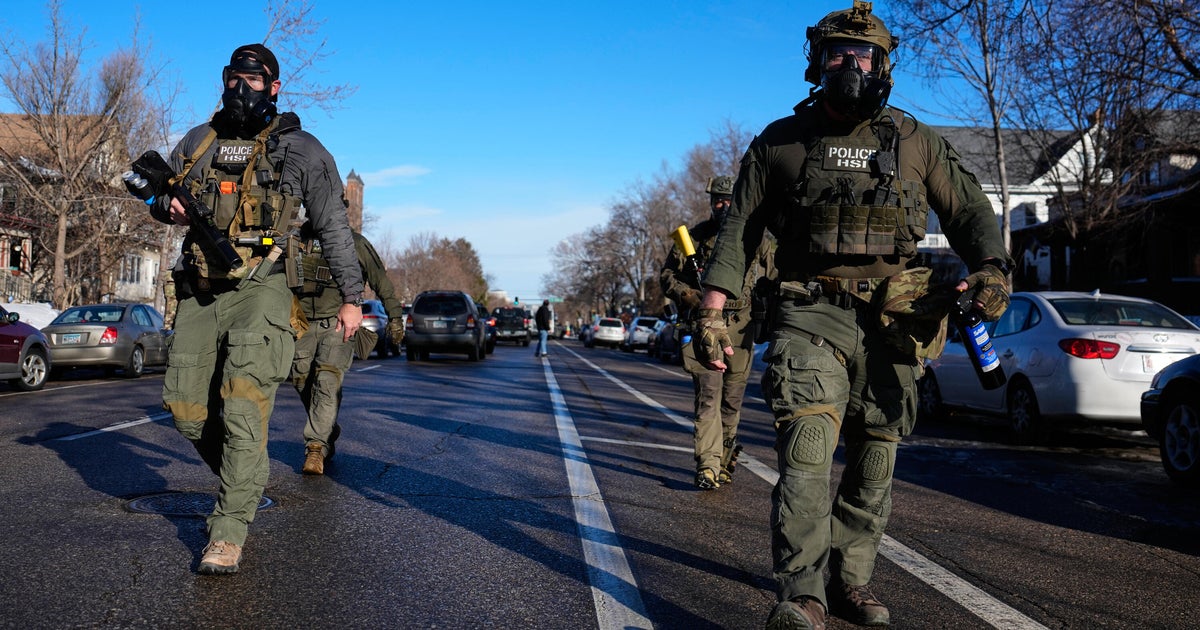
Acting ICE director Todd Lyons issued a memo broadening the agency's grounds for warrantless 'collateral arrests,' redefining 'likely to escape' to include individuals unlikely to remain at the scene once an administrative warrant is sought and instructing officers on factors to weigh during encounters. The directive, disclosed in federal court amid heightened federal deployments and local backlash in the Minneapolis area — including controversy over two fatal shootings — increases legal and political risk around immigration enforcement but is unlikely to produce material market-wide financial effects beyond localized political and reputational consequences.
Market structure: The memo is a tactical enforcement change that creates short-term incremental demand for immigration enforcement services — beneficiaries are government IT/intel contractors (Palantir PLTR, Leidos LDOS, Booz Allen BAH, CACI CACI) and detention logistics providers (CoreCivic CXW, GEO Group GEO). Expect modest revenue upside concentrated in Q2–Q4 (we estimate +1–3% incremental revenue for large contractors if DHS awards $50–300m in supplemental contracts within 3–9 months). Local services (legal aid, NGOs) and municipal budgets near hotspots are losers, increasing political friction and reputational risk for vendors.
Risk assessment: Tail risks include a nationwide injunction or state noncooperation (20–30% probability over 3 months) that could wipe short-term contract upside; fatalities or high-profile abuses could trigger funding freezes or congressional hearings within 30–90 days. Immediate operational volatility occurs in days–weeks; contract awards and revenue realization occur in 1–9 months; structural policy reversal tied to elections/appropriations happens over 6–24 months. Hidden dependencies: state/local cooperation, federal budget riders, and Inspector General probes — any of which can rapidly reverse gains.
Trade implications: Favor selective exposure to diversified contractors over pure-play detention owners. Tactical trades: small long exposure to PLTR/LDOS (capture analytics/ops demand) and defensive short or hedges on CXW/GEO (political backlash risk). Use short-dated options to play binary outcomes around litigation or DHS RFP windows (30–120 days). Rotate away from consumer-facing stocks in raid hotspots; marginal safe-haven inflows could slightly depress regional leisure/retail for 1–3 months.
Contrarian angles: Consensus treats this as a steady win for private detention names; history (post-2018 enforcement spikes) shows contractor wins are often transient and followed by investigations and budget cap-downs within 6–18 months. If no major litigation or funding cuts occur within 60–90 days, private-prison and analytics providers likely re-rate higher; conversely, an IG probe or multi-state lawsuits within 30–60 days would be a catalyst to exit quickly. Track DHS contract awards and Minnesota court filings as high-signal triggers.
AI-powered research, real-time alerts, and portfolio analytics for institutional investors.
Request DemoOverall Sentiment
moderately negative
Sentiment Score
-0.30
Ticker Sentiment
