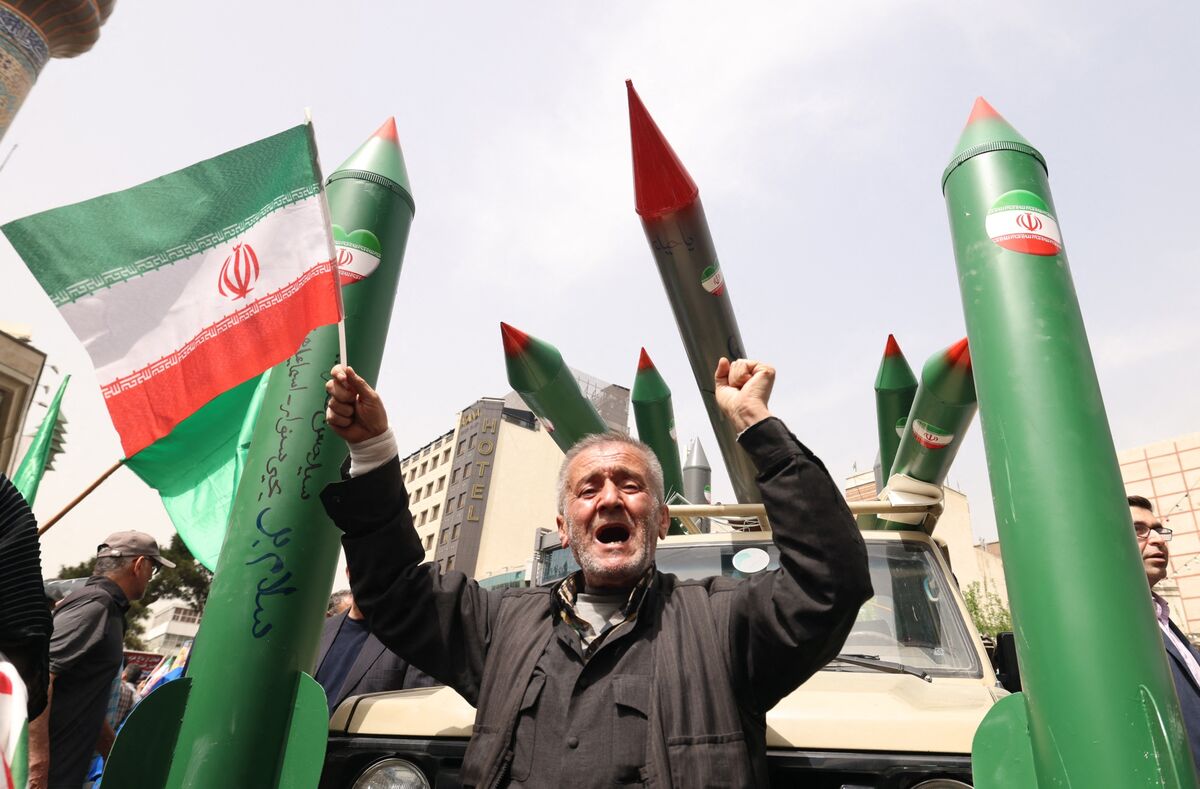
U.S. strikes on Iranian nuclear facilities arrive amid a fragile global economic landscape, with recent growth forecast downgrades from the World Bank, OECD, and IMF. The economic outlook is now contingent on Iran's response, as any escalation leading to higher oil and gas prices or trade disruptions would further impede global growth.
The US military strikes on Iran's nuclear facilities introduce a significant geopolitical shock into an already fragile global economic environment. This fragility is evidenced by recent and successive global growth forecast downgrades from the World Bank, the IMF, and the OECD. The primary risk to the economic outlook is now a retaliatory response from Iran, which would transmit stress to the global economy through two main channels: energy markets and international trade. Any significant escalation threatens to cause sharp increases in oil and natural gas prices and disrupt key trade routes, creating a substantial additional drag on a world economy already struggling with slowing momentum. The situation's resolution and its ultimate economic impact are therefore highly contingent on the nature and severity of Iran's forthcoming actions.
AI-powered research, real-time alerts, and portfolio analytics for institutional investors.
Request DemoOverall Sentiment
strongly negative
Sentiment Score
-0.85
