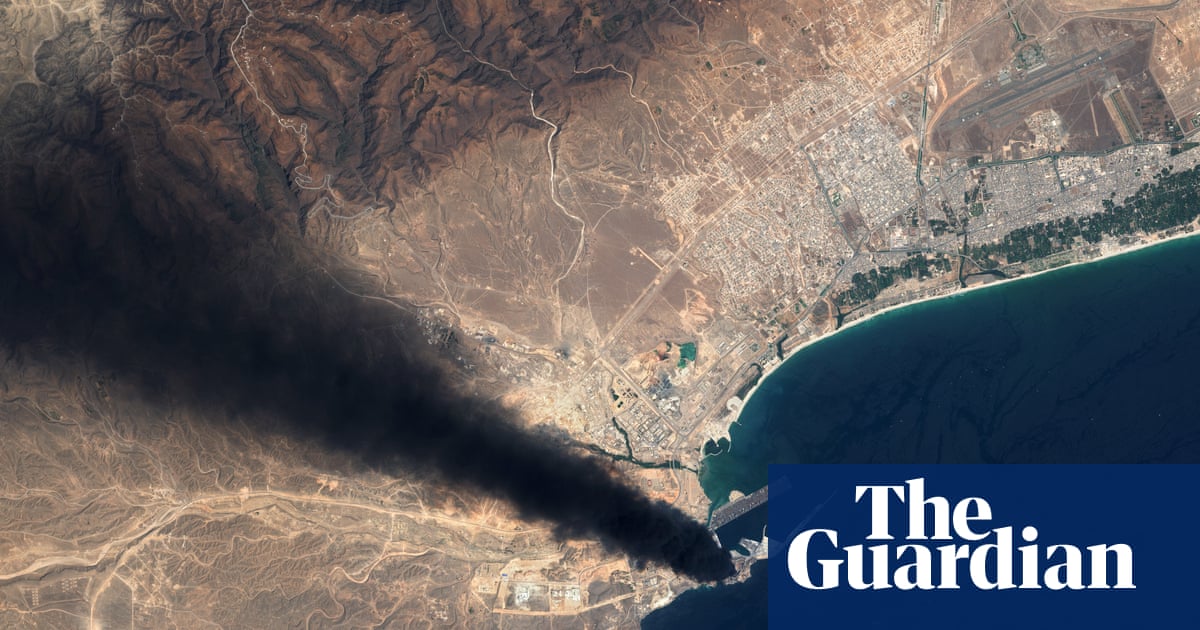
About 20% of global oil flows transit the Strait of Hormuz, and recent US-Israeli-Iran strikes — including a hit on the world’s largest LNG terminal in Qatar — are disrupting oil, LNG and metals supply chains. The Middle East supplies roughly 9% of global aluminum, threatening solar panel construction while countries increasingly revert to coal and fast-track LNG projects; EV adoption (>50% of new car sales in China, ~70% in Nepal) and rising wind/solar deployment are insulating some markets. Policy moves include a $1bn US payment to scrap an offshore wind project in favor of fossil fuels and new commercial LNG contracts (e.g., Venture Global to Vitol), implying short-term fossil-fuel upside but material risks of carbon lock-in that could slow decarbonization.
The immediate effect of the conflict is a supply-chain tax on clean buildouts: higher shipping/insurance costs and localized metal curtailments (aluminum particularly) will raise front‑loaded capex for solar and mounting systems, compressing developer IRRs by an estimated 200–500bp if disruptions persist for 6–12 months. That mechanically slows FIDs on merchant renewable projects where financing is tight and pushes project owners toward staged builds or EPC contracts with cost‑pass‑throughs, advantaging large, balance‑sheet‑backed utilities and contractors able to self‑finance.
Concurrently, elevated fossil margins create a fast‑track for LNG and midstream infrastructure FIDs over the next 6–36 months: projects already shovel‑ready will accelerate and capture outsized returns, while late‑cycle greenfield renewable projects face higher WACC and material scarcity. This creates a dispersion trade across energy infrastructure — utility‑scale pipelines and export terminals see cashflow re‑rating while small, uncontracted renewable developers face valuation multiple compression.
Policy reaction (windfall taxes, selective commodity subsidies, or direct financing support for renewables) is the high‑leverage catalyst that can flip the market within quarters; absent policy support, we should expect a 1–3 year period of carbon lock‑in risk where new fossil assets are preferred despite long‑term demand erosion from EVs and distributed PV. A negotiated de‑escalation or rapid reroute/insurance normalization would be the single biggest de‑risk in <3 months and would likely re‑accelerate large‑scale renewables procurement and module supply normalization.
AI-powered research, real-time alerts, and portfolio analytics for institutional investors.
Request DemoOverall Sentiment
mixed
Sentiment Score
0.00
Ticker Sentiment
