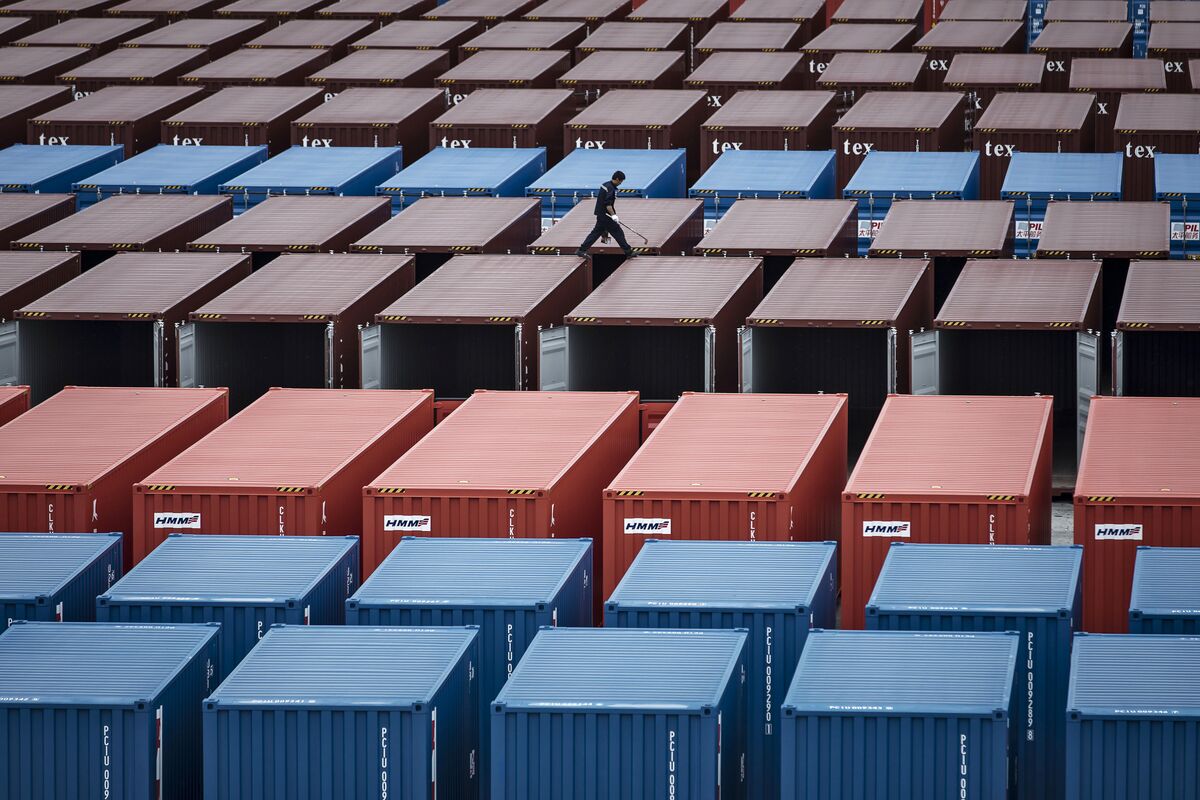
The US Justice Department filed criminal price-fixing charges against four major shipping container makers and top executives, alleging collusion to raise prices during the pandemic. Prosecutors said the companies agreed to limit production of new unrefrigerated containers from 2019 through at least 2024. The case raises significant legal and reputational risk for the named firms and could pressure the broader shipping-container supply chain.
This is less a direct asset event than a margin-reset catalyst for the global container ecosystem. The first-order damage lands on the named manufacturers, but the second-order winner is every downstream buyer with the ability to re-source or defer capex: shipping lines, leasing firms, and large exporters should see a slower pass-through of replacement cost inflation once criminal exposure forces a more competitive bidding environment. The bigger implication is that the market may be underpricing how long this restrains supply discipline. If production coordination breaks, the industry can swing from scarcity pricing to oversupply quickly, and container prices/lease rates are highly path-dependent. That creates a medium-term negative for the container makers’ earnings power, but a near-term positive for ocean carriers and container lessors that have already locked in inventory or multi-year leases at elevated levels. Catalyst timing matters: the immediate move is reputational and legal, but the real economic effect unfolds over months as counterparties renegotiate contracts and procurement teams diversify suppliers. Tail risk is not just fines; it is forced governance changes, capacity expansion, and a potential flood of incremental output if firms try to prove compliance, which would compress pricing power faster than the market expects. In contrast, if broader trade volumes weaken, the legal overhang could mask cyclical deterioration and make the whole sector look deceptively cheap. The contrarian read is that this may be bearish for the wrong part of the stack. Investors may instinctively short all transport/logistics exposure, but the better expression is to fade the producers and selectively own beneficiaries of lower container costs, especially where freight rates are already normalizing and input relief can flow through P&Ls with a lag.
AI-powered research, real-time alerts, and portfolio analytics for institutional investors.
Overall Sentiment
strongly negative
Sentiment Score
-0.65
