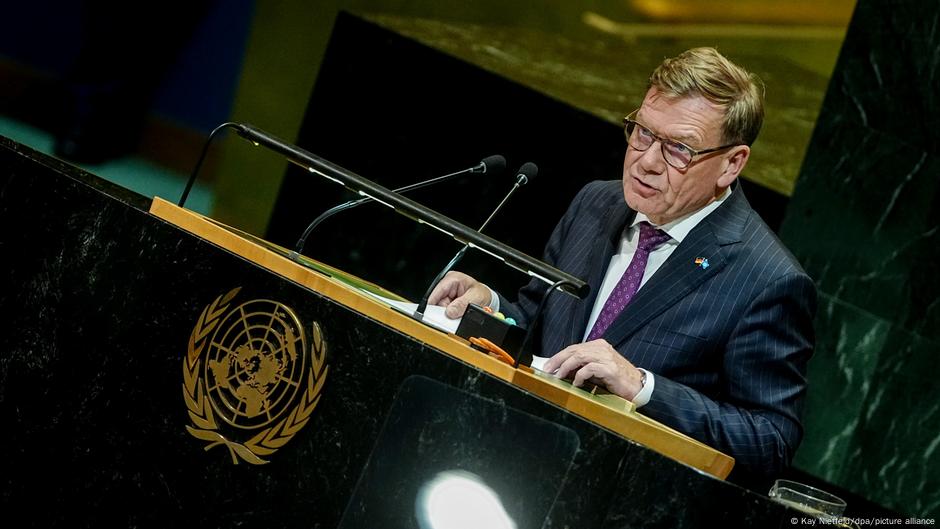
Germany, France, and the UK are reimposing "snapback sanctions" on Iran due to its non-compliance with the 2015 nuclear deal, a decision solidified after a China/Russia-backed UN Security Council resolution to delay the measures failed. This significant economic pressure on Tehran unfolds amid escalating global geopolitical tensions, highlighted by Russia's warnings of a "decisive response" to NATO/EU aggression and Israeli Prime Minister Netanyahu's firm rejection of Palestinian statehood.
A significant escalation in geopolitical risk is underway, centered on the confirmed reimposition of 'snapback' sanctions on Iran by the E3 nations (Germany, France, UK). The failure of a Russia and China-backed UN Security Council resolution to delay these measures solidifies the reintroduction of sweeping punitive economic actions against Tehran, which will directly impact its ability to participate in global markets, most notably energy. This event unfolds against a backdrop of deteriorating international relations, as evidenced by multiple flashpoints at the UN General Assembly. Russia's explicit warning of a 'decisive response' to any perceived NATO or EU aggression heightens tensions in Eastern Europe. Concurrently, profound instability in the Middle East is underscored by Israeli Prime Minister Netanyahu's defiant rejection of Palestinian statehood and condemnation of key Western allies, increasing regional risk premiums. Further volatility is indicated by severe diplomatic friction between nuclear powers India and Pakistan, and a US-Colombia dispute. The 'strongly negative' sentiment score (-0.8) and 'high' market impact score (0.85) are well-founded, reflecting a fragmented geopolitical landscape poised to induce significant market volatility, particularly in commodities and defense-related sectors.
AI-powered research, real-time alerts, and portfolio analytics for institutional investors.
Overall Sentiment
strongly negative
Sentiment Score
-0.80
