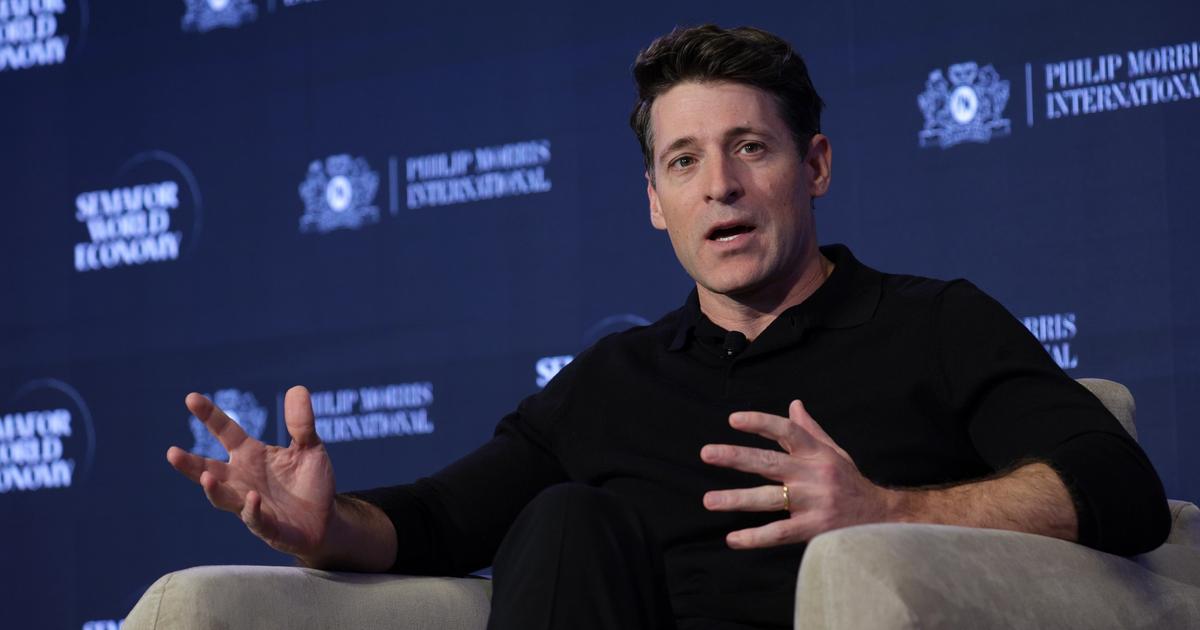
CBS News anchor Tony Dokoupil will broadcast from Taipei instead of Beijing after failing to secure a China visa in time, forcing a last-minute change in the network’s planned coverage of the summit. The article also notes broader internal concerns at CBS, including ratings pressure and scrutiny of the Ellison family’s strategy and the experience level of the leadership team. The issue is primarily operational and reputational, with limited direct market impact.
This is less about one anchor and more about the fragility of CBS’s operating execution at the exact moment leadership is trying to reprice the franchise. In news, distribution of talent is a coordination game: when a network misses the highest-signal location, it cedes not just audience share but perceived access, which compounds into affiliate leverage, ad-rate confidence, and internal morale over the next several quarters. The bigger second-order risk is that a network already under viewership pressure can’t afford avoidable logistics failures because they reinforce a narrative that management is still learning the mechanics of live global coverage. The market-relevant angle is governance and integration risk, not ratings in isolation. A media asset under merger scrutiny tends to get judged on whether the new team can execute under stress; repeated operational stumbles raise the probability of slower decision-making, higher key-person risk, and lower willingness from counterparties to commit premium inventory or strategic partnerships until the organization proves it can deliver. If the broader political environment turns more adversarial, the inability to secure on-the-ground access could become a recurring handicap rather than a one-off embarrassment, especially for U.S. news brands trying to own geopolitical moments. Contrarian read: the miss may be less damaging than it looks if the network can reframe the absence as a Taiwan-focused editorial win. That would only work if the coverage is materially differentiated; otherwise, the situation reads as forced spin and becomes evidence that the network lacks the operational depth to compete with larger peers. The key time horizon is days for reputational noise, but months for any effect on ratings trajectory and merger optics. The tradeable implication is that this is a small negative for CBS’s strategic optionality but a larger relative positive for better-executed competitors with stronger international logistics and deeper bench strength.
AI-powered research, real-time alerts, and portfolio analytics for institutional investors.
Request DemoOverall Sentiment
neutral
Sentiment Score
-0.10
