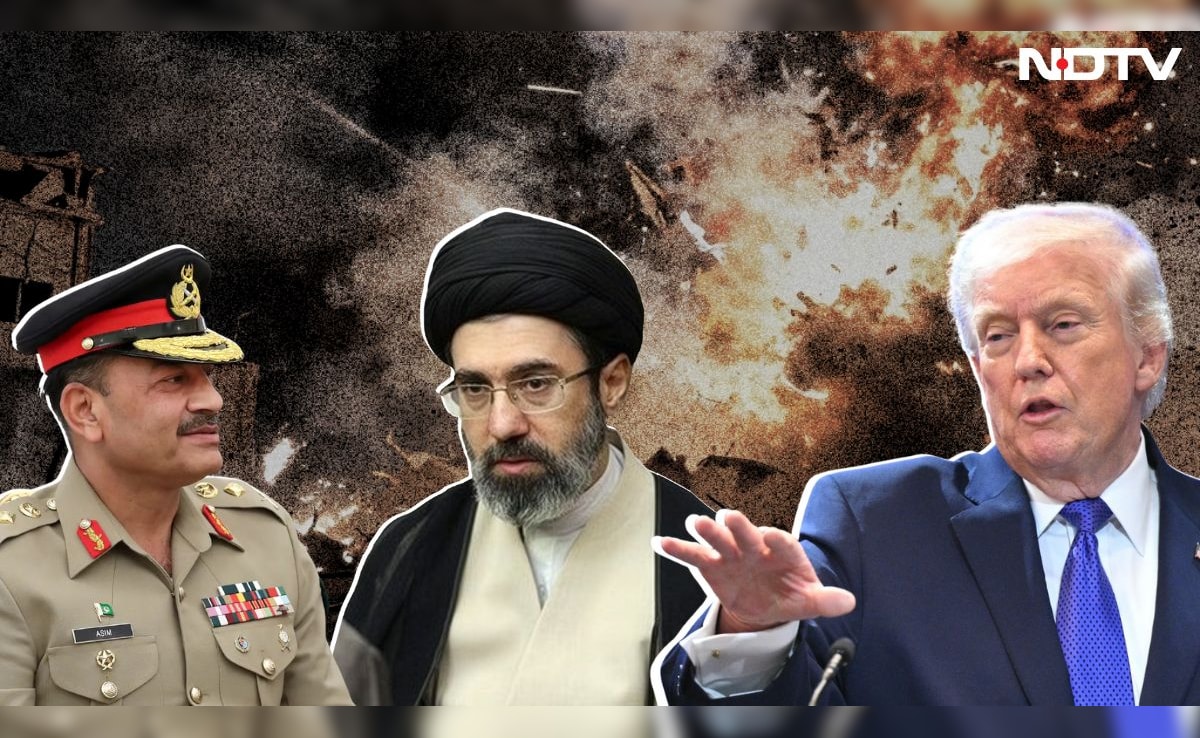
Key event: Iran denied participation in Pakistan-led efforts to host direct US-Iran talks, saying it only received 'excessive, unreasonable' demands via intermediaries. Military escalation persisted — Iran struck a Kuwaiti water/electrical plant and an Israeli refinery, the US has ~2,500 Marines in the region with a similar-sized contingent reportedly en route, and President Trump said Iran would allow 20 oil tankers through the Strait of Hormuz while raising the possibility of seizing Kharg Island. Implication: heightened risk to oil flows and regional security that could increase oil-price volatility and raise risk premia for defense and shipping sectors.
Markets should treat current messaging volatility as a regime shock to the risk premia that underlie maritime energy logistics and defense procurement — not just a one-off headline. In the near term (days–weeks) expect pronounced spikes in war-risk insurance and spot tanker freight, which mechanically transfer cash flow to owners of VLCCs and Suezmax vessels and raise short-term landed fuel costs for refiners exposed to seaborne crude. These moves compress refining margins unevenly: coastal refiners with access to alternative feedstock and storage will outperform inland players that must take higher-cost delivered crude.
Over months the more important mechanism is capex re-prioritization and contract re-allocation: energy companies accelerate diversification away from chokepoints and increase forward shipping charters, while national buyers look to lock supply via long-term contracts. That benefits public tanker owners with modern fleets and reinsurers able to reprice catastrophe/war risk; it hurts thin-margin trading houses and integrated midstream assets with single-route dependency. Defense primes win structurally if governments convert short-term readiness to multi-year procurement, but political funding lags create execution risk for suppliers.
Key catalysts: visible shipping-rate normalization (spot freight indices rolling down) and a credible, trackable diplomatic backchannel that reduces premiums — either would unwind part of the risk bid over 30–90 days. Tail risks that keep the premium elevated for 6–18+ months include targeted strikes on energy infrastructure or formal export-denial regimes; a domestic economic shock in a major exporter could either force de-escalation (oil-for-peace dynamics) or further entrench supply-side disruption depending on fiscal cushion and leadership incentives.
AI-powered research, real-time alerts, and portfolio analytics for institutional investors.
Request DemoOverall Sentiment
strongly negative
Sentiment Score
-0.70
