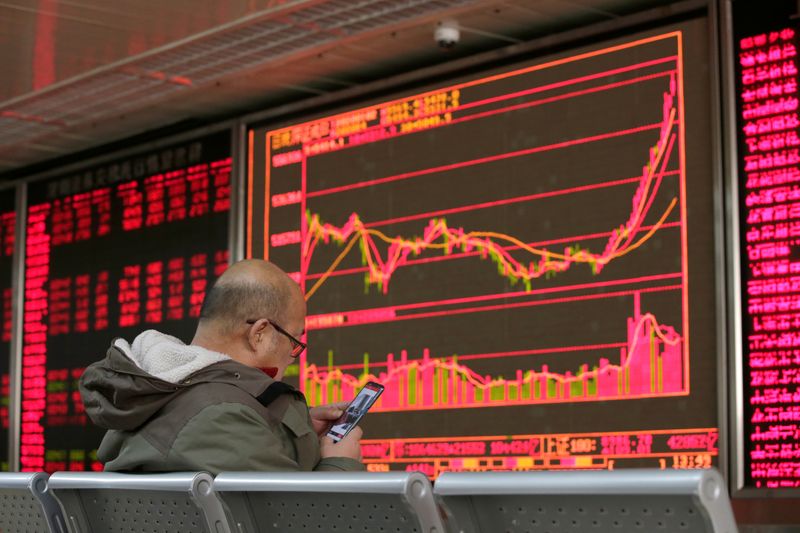
Laplace Renewable Energy shares surged 20% to the daily upper limit of 65.84 yuan after local media reported it had won a ~10 billion yuan (~$1.45B) Tesla solar-project order equal to ~183% of its 2025 revenue; the company later said no related orders or binding agreements have been secured. The move sparked a rush of speculative buying and heightened volatility, and follows separate reports that Tesla plans roughly $2.9B of solar manufacturing equipment purchases from Chinese suppliers.
Small-cap listed suppliers in the solar/equipment ecosystem are structurally prone to large, transient reratings when market participants extrapolate a single potential procurement win into multi-year earnings. The typical mechanics: retail and momentum-driven flows push the bid well ahead of confirmation, then institutional sellers harvest gains or re-price when counterparty or contract terms (prepayment, guarantees, performance milestones) become public; expect maximum reversion within days-to-weeks after any clarification or absence of binding contracts.
From a supply-chain lens, large OEM procurement by an EV or energy company rarely translates into concentrated revenue for a single downstream equipment maker unless there are long-term guaranteed take-or-pay terms. Procurement cadence, qualification cycles, and local content/trade-policy constraints mean order recognition and cash flow will be lumpy across quarters; winners are more likely to be diversified, scale players with installed-service capabilities rather than one-off fabricators.
Regional flow dynamics create a second-order corridor: investor rotation into markets perceived as more “export- and capex-sensitive” (e.g., Korea) amplifies component and semiconductor suppliers even if the end-customer is elsewhere. That flow-driven outperformance can persist for several weeks, but is vulnerable to cross-border headlines, FX moves, or a reversal in momentum when headline intensity fades.
Key catalysts to watch are: binding contract announcements with payment terms, regulatory/antitrust disclosures, and procurement schedule updates from large buyers. Tail risks include confirmation of an alternative supply chain strategy (e.g., insourcing, tariff-driven reshoring) which would materially re-rate small-cap suppliers over months rather than days.
AI-powered research, real-time alerts, and portfolio analytics for institutional investors.
Request DemoOverall Sentiment
mixed
Sentiment Score
0.05
Ticker Sentiment
